

What is Happening in South Africa in 2026?
South Africa is currently navigating two major national crises that are dominating headlines in 2026. On the economic front, the government is aggressively pursuing unpaid taxes through a nationwide compliance blitz.
At the same time, the country is facing a severe diplomatic and social emergency. Rising anti-immigrant protests have prompted several African nations to urgently evacuate their citizens from South African borders.
This article breaks down everything you need to know about these two critical situations, using simple and accessible updates.
The SARS “AmaBillions” Tax Crackdown Explained
The South African Revenue Service (SARS) has officially shifted its focus to collecting outstanding tax debts rather than introducing new tax rate increases.
Following the cancellation of a controversial VAT increase, the government was left with a R75 billion fiscal gap. To fix this, SARS has launched an aggressive enforcement campaign targeting non-compliant taxpayers.
Why is SARS Targeting R300 Billion?
Dubbed “Project AmaBillions,” this new initiative aims to recover an estimated R300 billion in outstanding, undisputed taxes. Currently, only about 1.51 million individuals pay 77% of the country’s personal income tax, despite there being over 27 million registered taxpayers.
To collect this money, SARS is adopting a more direct approach:
- Direct Phone Calls: SARS has hired hundreds of new agents to personally call taxpayers and “nudge” them to settle their debts.
- Lifestyle Audits: The government is focusing heavily on data-driven investigations and lifestyle audits to catch those who are hiding wealth.
- Strict Penalties: Taxpayers are warned that casual compliance is no longer accepted, and poor-quality tax returns will easily trigger audits.
How Will the New Track-and-Trace System Work?
Beyond income tax, SARS is cracking down on South Africa’s illicit economy, which is estimated to be worth a staggering R1.2 trillion. Illegal goods cost the country massive amounts of uncollected tax revenue.
To fight this, SARS is partnering with the National Consumer Commission (NCC) to introduce a new product verification system.
- Products like alcohol and tobacco will receive a unique stamp, barcode, or QR code.
- Consumers will be able to scan products with their smartphones to verify if they are legitimate and legally tracked.
- This is especially important for the tobacco industry, where an estimated 24 billion cigarettes went untaxed in recent years.
Foreign Nations Evacuate Citizens Amid Protests
While the government focuses on taxes, a severe social crisis is unfolding in the streets. A wave of xenophobic and anti-immigrant protests is currently sweeping across South Africa.
The 30 June Deadline and Rising Tensions
An anti-immigration vigilante movement known as March and March has issued a strict deadline of 30 June 2026 for all illegal immigrants to leave the country. The group has threatened to “shut down” the country if their demands are not met.
Tragically, these protests have resulted in violence, looting, and the torching of immigrant-owned homes and shops. In the coastal town of Mossel Bay, five Mozambican nationals and one South African teenager were recently killed amid the unrest.
Which Countries Are Repatriating Their Citizens?
Fearing for the safety of their people, several African governments have begun mass evacuations. The primary countries repatriating citizens include:
- Ghana: The Ghanaian government recently funded charter flights to airlift nearly 300 citizens out of Johannesburg.
- Mozambique: Over 545 Mozambican citizens have already been bused back home following the deadly violence in Mossel Bay.
- Nigeria: The Nigerian High Commission is planning to fly between 2,000 and 4,000 of its people back home.
- Malawi: The Malawian government has announced plans to assist citizens who want to leave, likely by road.
How is the South African Government Responding?
The South African government is scrambling to calm diplomatic tensions. Ministers from the justice, defense, and home affairs departments have held high-level meetings to create a “national action plan” against xenophobia.
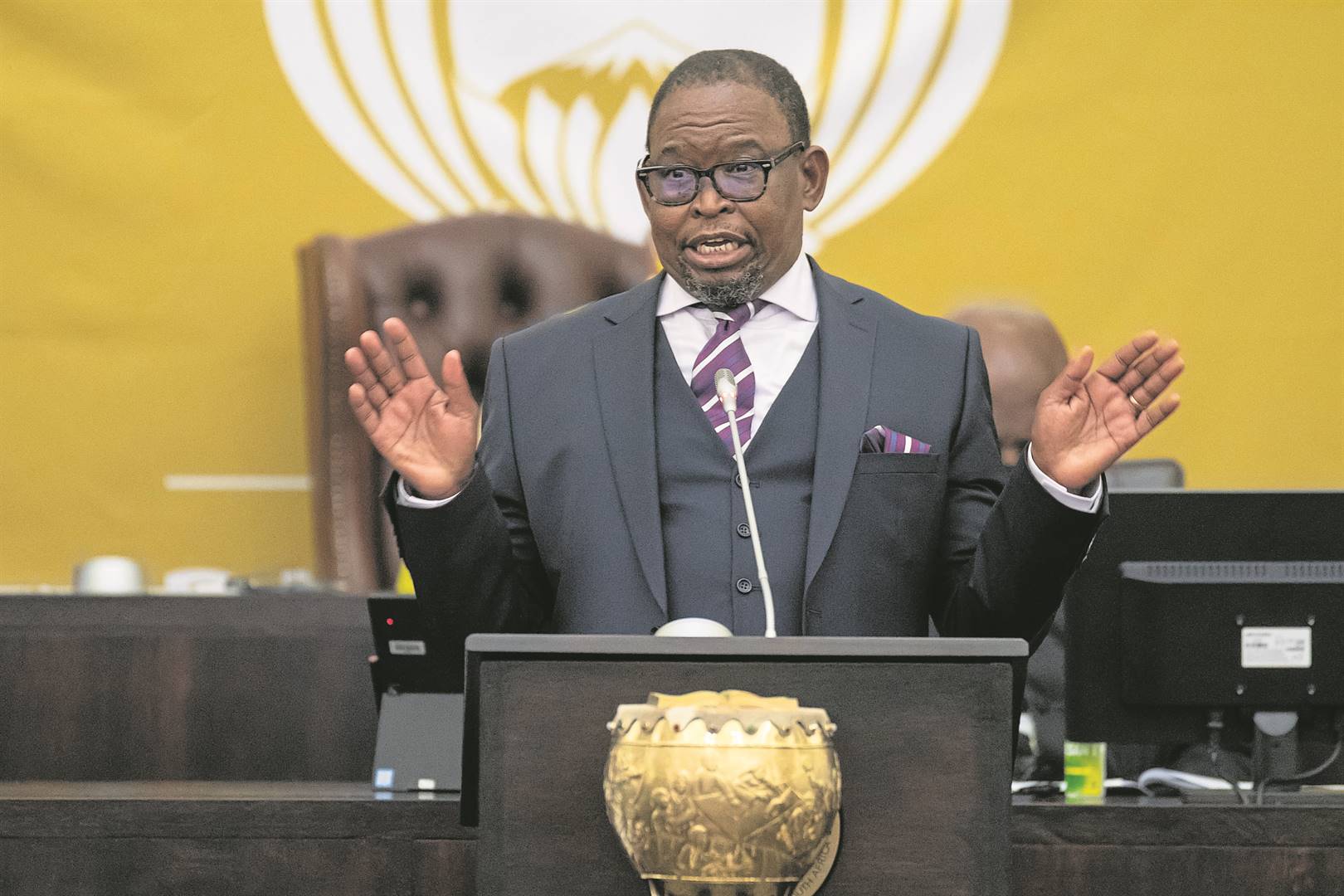
Minister of International Relations Ronald Lamola has reassured foreign nationals that South Africa is committed to their safety and the rule of law. Furthermore, the government is reviewing its immigration policies, promising stricter border controls and a new points-based visa system.
What This Means for the Future
As 2026 progresses, South Africans must prepare for a radically different landscape. On a financial level, residents must ensure their taxes are fully compliant to avoid aggressive penalties from SARS.
Socially, the government faces a massive hurdle in stabilizing communities before the looming 30 June deadline. How authorities handle the dual pressures of economic recovery and social unrest will shape the nation’s future for years to come.









Leave a Reply