
The End of the New State Bank Dream
For years, South Africans have heard promises about the creation of a brand-new state-owned commercial bank. The primary goal was to help millions of excluded citizens access capital and basic financial services.
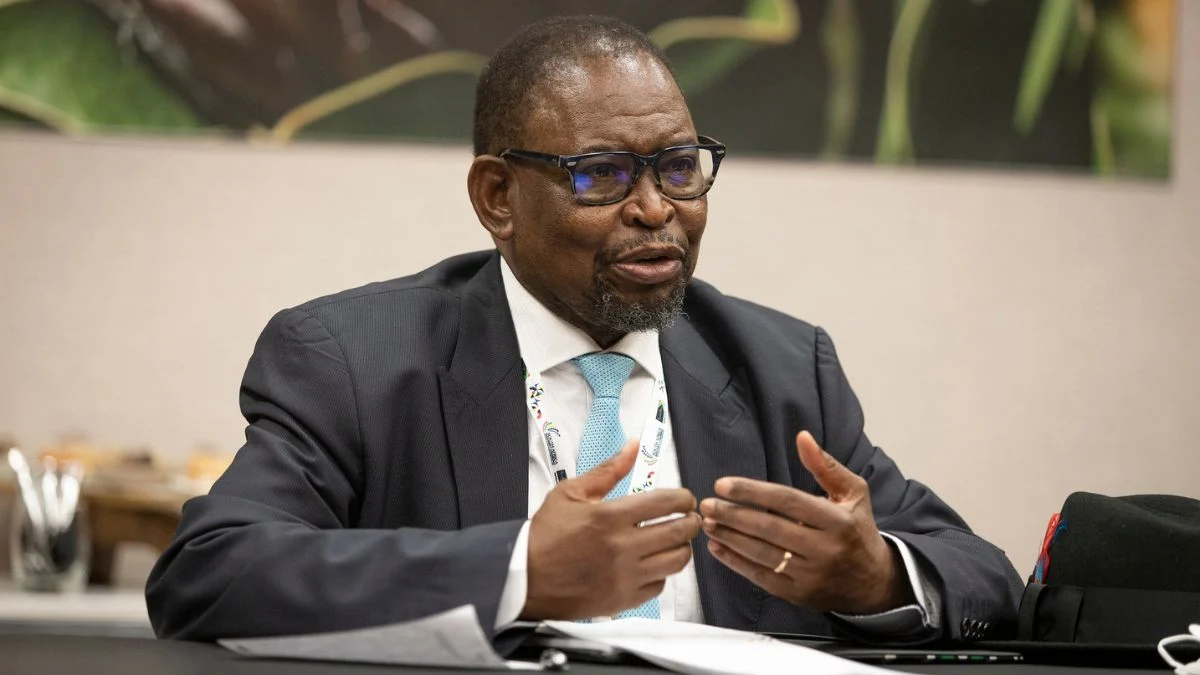
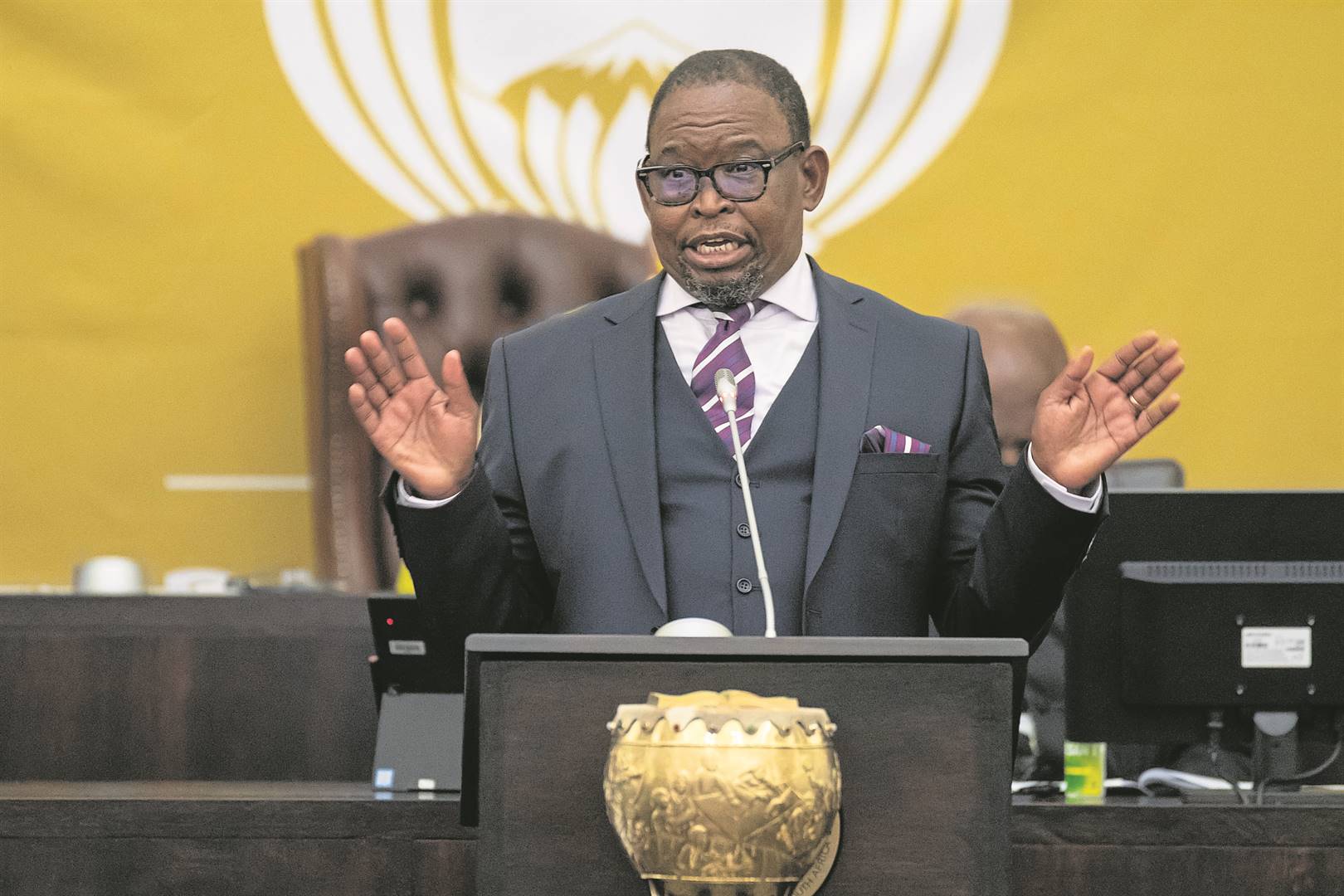
However, recent announcements from the government reveal a massive shift in these plans. Finance Minister Enoch Godongwana has made it clear that the government has no plans to launch a new state-owned commercial bank.
The reasons for abandoning this project are straightforward:
- We already have state banks: South Africa currently operates institutions like the Land Bank, the Development Bank of Southern Africa, and Postbank.
- A lack of funding: The government simply cannot afford to finance a new bank. Godongwana emphasised that state banks must generate their own revenue and not become a burden on taxpayers.
- No clear market need: Commercial banks have successfully expanded financial inclusion over the last 20 years, meaning there are fewer unbanked people today. It is unclear what specific gap a new state bank would fill.
All Eyes on Postbank: The Chosen Alternative
Instead of starting from scratch, the government has decided to transform Postbank into a fully-fledged commercial bank.
In September 2023, President Cyril Ramaphosa signed the Postbank Amendment Bill into law. This crucial legislation officially transferred Postbank’s shareholding from the financially troubled South African Post Office (SAPO) directly to the government.
Recently, Postbank achieved a major regulatory victory. It was registered as a licensed financial services provider with the Financial Sector Conduct Authority (FSCA). This authorises Postbank to legally provide financial advice and intermediary services.
Postbank’s Major Challenges
Despite this recent win, Postbank is not yet a fully licensed commercial bank. President Ramaphosa has openly stated that Postbank is not yet ready for a full banking licence.
The institution faces severe hurdles before it can be fully authorised to operate:
- Reserve Bank Warnings: The South African Reserve Bank (SARB) has given Postbank a strict 15-month deadline to fix its systems and comply with regulations. If it fails, Postbank could lose its right to process national payments, including critical SASSA grants.
- Governance Issues: Postbank has historically struggled with a lack of banking skills, a high vacancy rate, and IT instability. President Ramaphosa noted that Postbank must stabilise its finances and fix its governance before the government will consider injecting capital into it.
- The Post Office Crisis: Postbank’s history with SAPO is highly toxic. SAPO is currently in business rescue and is heading towards possible liquidation. The National Treasury recently denied SAPO’s request for R3.8 billion in bailout funding due to fiscal constraints. Because SAPO owes Postbank billions, Postbank was forced to write off an enormous R4.2 billion in bad debt.
Gauteng’s Local Bank Ambitions
While the national government steps back from creating new banks, provincial leaders are pushing forward with local ambitions.
The Gauteng Provincial Treasury has been tasked with establishing its own state-owned bank.
The province has already completed a legal due diligence exercise for this project. The goal is to provide funding opportunities for individuals and small enterprises, particularly those located in Gauteng townships.
The Bottom Line
The dream of a brand-new national state bank is dead in the water. The government’s entire focus is now on saving Postbank and converting it into a reliable commercial entity.
Whether Postbank can meet the Reserve Bank’s strict deadlines and overcome its troubled past remains one of South Africa’s biggest financial challenges.










Leave a Reply