
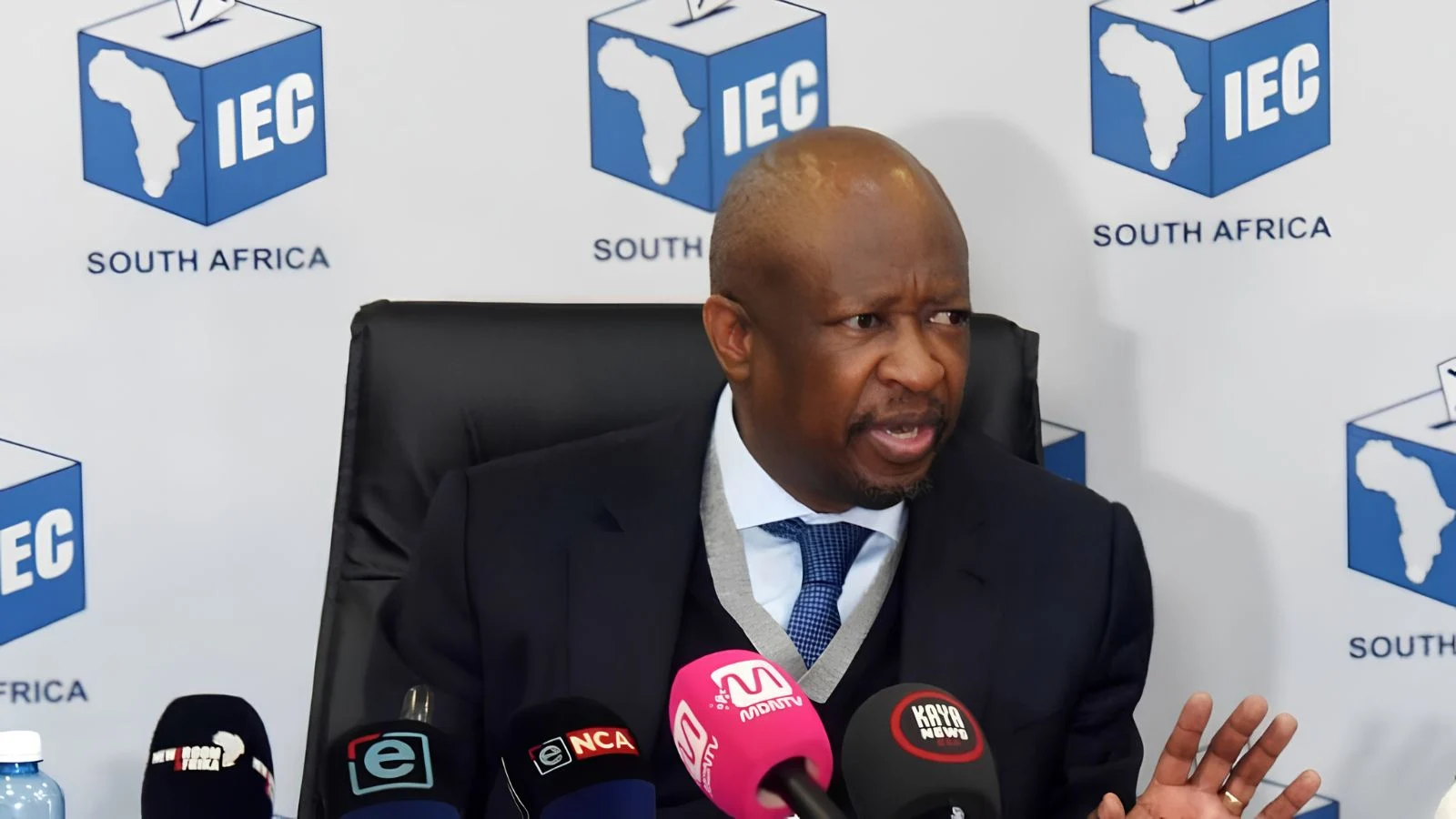
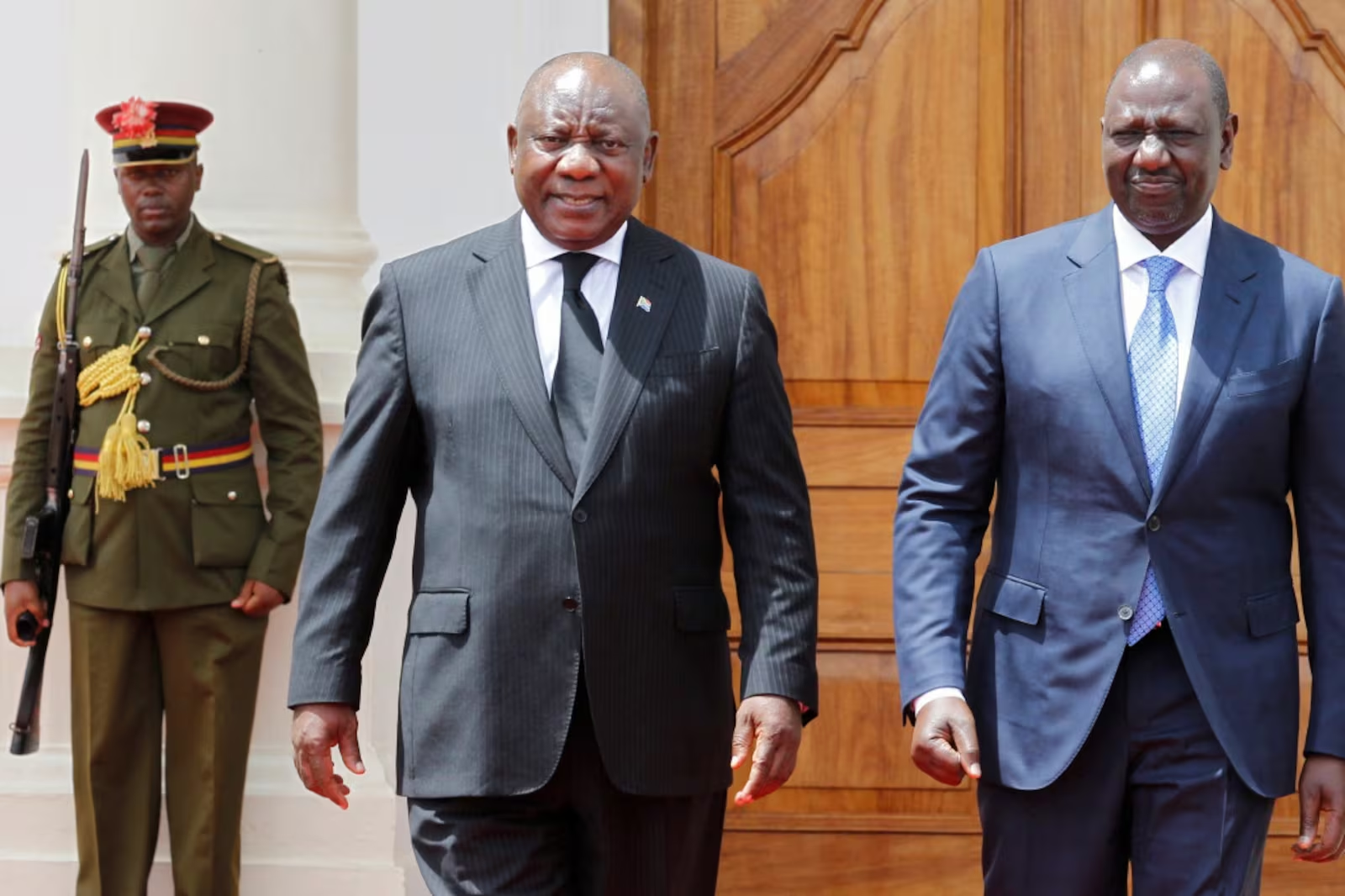
On Thursday, 30 April 2026, President Cyril Ramaphosa officially announced that the 2026 Local Government Elections will take place across South Africa on Wednesday, 4 November 2026. Addressing the Extended Presidential Coordinating Council in Ekurhuleni, Ramaphosa confirmed the date to elect new municipal councils.
This critical democratic event marks the end of the five-year term that began after the 2021 municipal elections. To ensure maximum participation and minimize disruptions to the national school calendar, the day is highly expected to be declared a national public holiday.
The Independent Electoral Commission (IEC) has already been allocated a massive R3.2 billion budget to manage the voting process. A staggering 508 political parties have registered to contest, highlighting the highly competitive nature of this election cycle.
What to Expect on Election Day 2026
A New Public Holiday for South Africa
President Ramaphosa deliberately chose a mid-week date, noting that holding the polls on a Wednesday encourages greater citizen participation. Section 2A of the Public Holidays Act empowers the President to declare any day a national holiday.
Historically, South Africa has proclaimed municipal election days as public holidays, as was seen during the 1 November 2021 elections. The formal gazetting of the 2026 date by Cooperative Governance Minister Velenkosini Hlabisa will set the stage for this official holiday proclamation.
For the average South African worker, this means a welcome extra day off in 2026. This is particularly good news considering that both Human Rights Day and the Day of Goodwill fall on a Saturday this year, costing workers their usual weekday public holiday benefits.
The Matric Exam Clash: A Crisis Averted
The election announcement initially sparked serious concerns regarding a clash with the National Senior Certificate (NSC) final examinations. Over 856,000 Grade 12 learners are expected to sit for their finals, causing alarm that first-time youth voters might be forced to choose between academics and their civic duties.
However, proactive planning between the IEC and the Department of Basic Education has resolved this issue. The official national NSC timetable explicitly blocks out Wednesday, 4 November 2026, as a designated “NON-EXAMINATION DAY“.
Furthermore, declaring the day a public holiday ensures that schools which are frequently used as voting stations can operate exclusively as electoral hubs without causing noise or logistical disruptions for learners.
The Political Landscape: A Highly Contested Terrain
Post-GNU Era and Record Party Registrations
These will be the very first municipal elections held since the historic formation of the Government of National Unity (GNU) following the 2024 national elections. The stakes are remarkably high, as 508 political parties are registered to participate. This number includes 62 completely new entrants that have formed since the 2021 local elections.
The political environment is undergoing massive shifts. For example, the newly formed uMkhonto we Sizwe (MK) party, which secured 15% of the general vote in 2024, will contest municipal elections for the very first time.
Meanwhile, the South African Communist Party (SACP) is taking an unprecedented step by running independently of the African National Congress (ANC). The IEC initially instructed the SACP to deregister for missing statutory deadlines, but later cleared the party to contest.
Proprietary Insight: 2021 vs. 2026 Political Party Dynamics
To understand the upcoming electoral battleground, it helps to look at the historical data combined with recent sentiment. Below is a custom comparison highlighting the shift from the 2021 municipal performance to the anticipated 2026 landscape, based on recent 2026 polling data:
- African National Congress (ANC): Won 45.59% in 2021. Currently polling between 38% and 39%. The party faces strong opposition in major Gauteng metros but remains the dominant national force.
- Democratic Alliance (DA): Won 21.62% in 2021. Currently polling between 22% and 28%. Now part of the GNU, the DA is campaigning heavily to secure outright majorities in metros like Johannesburg.
- Economic Freedom Fighters (EFF): Won 10.32% in 2021. Currently polling between 6% and 13%. The party faces internal hurdles, especially following the recent five-year prison sentencing of its leader, Julius Malema.
- uMkhonto we Sizwe (MK): Did not exist in 2021. Currently polling between 10% and 13%. MK is expected to heavily disrupt traditional voting strongholds, particularly in KwaZulu-Natal and Gauteng.
The Mechanics of the 2026 Elections
Budgets, Boundaries, and Paper Ballots
The IEC is fully mobilized to deliver a free and fair municipal election. The Municipal Demarcation Board (MDB) has finalized the country’s voting boundaries, adding 20 new wards to accommodate population growth.
South Africa will now have a total of 4,488 wards spread across its local, district, and metropolitan municipalities. KwaZulu-Natal saw the biggest boundary increase, adding 20 new voting districts to reach a total of 921.
Despite ongoing global technological advancements, the IEC confirmed that no electronic voting (e-voting) will be implemented for the 2026 municipal elections. The National Treasury warned that e-voting would be a massive expense, noting that election costs have already risen by 193% between 2001 and 2021 due to inflation and logistics. Traditional paper ballots will remain the standard.
Actionable Voting Guide for South Africans
How to Ensure You Are Ready for 4 November 2026
To participate in the 2026 Local Government Elections, you must be registered at the exact voting station that corresponds to your primary place of residence. You cannot simply vote anywhere; you are strictly permitted to vote only at the station where you are officially registered.
Here are clear, actionable steps to prepare for election day:
- Check Your Status Immediately: SMS your ID number to 32810, or use the IEC WhatsApp chatbot to verify your current registration details and ward.
- Register Online: Visit the IEC’s Online Voter Registration Portal at registertovote.elections.org.za. This allows you to register or update your home address without having to stand in physical queues.
- Attend Registration Weekends: If you prefer registering in person, the IEC has scheduled national voter registration weekends for June and August 2026. The first takes place on 20 and 21 June 2026.
- Prepare Your Documentation: Ensure you have your green barcoded ID book, a smartcard ID, or a valid Temporary Identity Certificate (TIC) ready in advance.
A Final Push for Youth Voter Turnout
President Ramaphosa and the IEC have both stressed the urgent need to increase voter turnout, especially among the youth. Recent Ipsos research found that while 64% of people intend to vote, only 38% believe local government is doing a good job.
With the launch of a dedicated IEC podcast and a revamped WhatsApp channel, authorities are making a concerted digital push to engage young citizens. The message is clear: to shape the future of local service delivery, every eligible South African must get up, show up, and vote.





Leave a Reply