
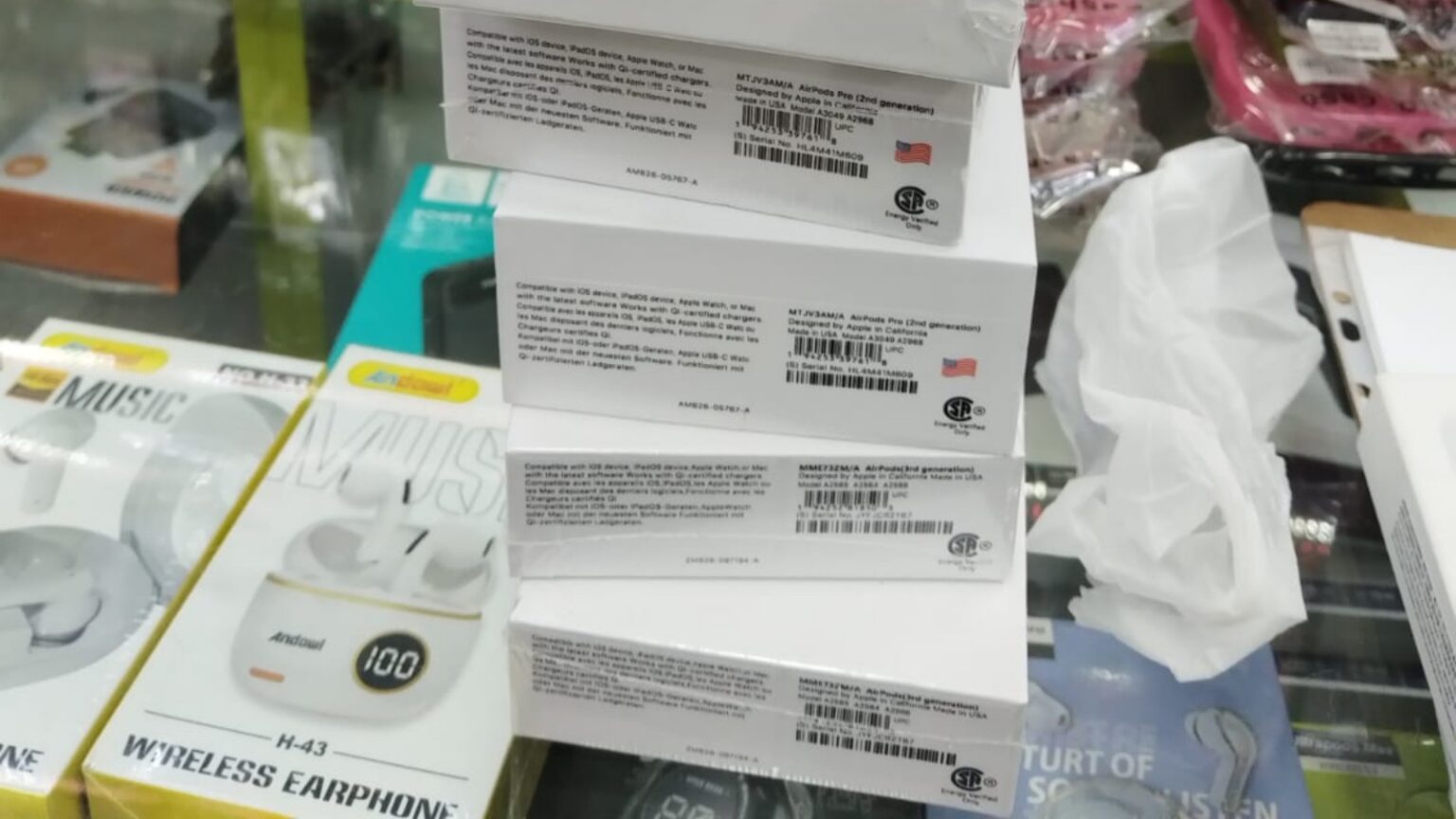
South African law enforcement, customs officials, and retail watchdogs are actively battling a massive surge in illicit trade, with counterfeit goods costing the economy hundreds of millions of rands daily. Across the country from bustling city centers to popular digital marketplaces organized syndicates are flooding South Africa with fake electronics, illicit clothing, and unregulated health products. Driven by economic pressures, high inflation, and enforcement gaps, this crisis has forced authorities to ramp up nationwide raids and regulatory overhauls to protect both consumers and legitimate businesses.
The Staggering Cost to South Africa’s Economy
The financial toll of illicit trade on South Africa is devastating. A report published by the Transnational Alliance to Combat Illicit Trade (TRACIT) reveals that the country loses approximately R250 million every single day to illicit trade. South Africa currently ranks 60th globally on the TRACIT 2025 Illicit Trade Index, scoring 52.4 out of 100.
This underground economy is fueled by organized crime networks that exploit systemic vulnerabilities. High inflation and a stagnant formal economy have pushed consumers toward cheaper, unregulated goods. Criminals take advantage of this demand by supplying fake products that bypass taxes and quality controls, ultimately depriving the government of vital revenue.
Furthermore, a significant decline in container port efficiency has worsened the crisis. According to the World Bank, Cape Town’s port recently dropped to the last position (405th) globally in operational efficiency. This severe congestion creates critical blind spots that organized smuggling syndicates easily exploit to import counterfeit shipments.
Major Raids and Real-World Case Studies
To combat this growing threat, the South African Police Service (SAPS), alongside the Hawks and customs officials, have executed highly targeted takedown operations. In a recent massive bust, authorities seized counterfeit goods worth more than R160 million across the country.
The largest of these operations took place in Bellville, Western Cape, resulting in the confiscation of over 130,000 illicit items valued at R117 million. These seized goods included branded sports apparel, sneakers, sunglasses, and fake Apple watches. A parallel operation in Gauteng shut down a counterfeit manufacturing plant operating right out of a medical building in the Johannesburg CBD.
Technology brands are frequent targets for these syndicates. In Germiston, police uncovered hundreds of fake Apple AirPods packaged in boxes closely resembling the originals. Similarly, a detailed investigation in Gqeberha led the Hawks to confiscate counterfeit iPhone silicone covers. This resulted in the arrest of a 33-year-old business owner who was charged with 60 counts of contravening the Counterfeit Goods Act.
E-Commerce and Digital Marketplaces Under Fire
The rise of digital shopping has provided counterfeiters with new, highly accessible avenues to dupe consumers. Major e-commerce platforms like Takealot and Temu have become battlegrounds in the fight against illicit trade.
On Takealot, unscrupulous third-party merchants allegedly exploit the platform’s “Buy Box” algorithm to push fake products. A prominent example is the LifeVac, an anti-choking medical device. While the genuine LifeVac costs R1,799, dangerous and uncertified clones are sold for between R625 and R999. By listing their fakes as “parallel products,” these rogue sellers trick the algorithm into displaying their cheaper, counterfeit items to unsuspecting buyers.
The Chinese marketplace Temu is also facing severe scrutiny. Investigations have revealed that the platform allows merchants to sell Wi-Fi and Bluetooth devices without the mandatory regulatory approvals. By law, products emitting radio frequencies must be certified by the Independent Communications Authority of South Africa (ICASA). Furthermore, devices connecting to mains electricity require a Letter of Authority (LOA) from the National Regulator for Compulsory Specifications (NRCS). Temu orders regularly bypass these checks, giving foreign sellers an unlawful advantage over local businesses who follow the rules.
Proprietary Data: Genuine vs. Counterfeit Electronics
To help consumers navigate this high-risk landscape, we have compiled a proprietary comparison table highlighting the differences between genuine electronics and typical counterfeit goods found in South Africa.
| Feature | Genuine Tech Products | Counterfeit / Illicit Goods |
|---|---|---|
| Pricing | Standard market retail price. | Often 40-60% cheaper (e.g., R625 for a R1,799 device). |
| Certifications | Displays valid ICASA stickers and SABS/NRCS approval. | Only displays foreign markings (FCC/CE), or completely uncertified. |
| Material Quality | Self-extinguishing, non-flammable plastics. | Cheap, highly flammable materials. |
| Consumer Recourse | Full warranty, easy returns, and customer support. | Zero recourse if the product causes injury, fire, or damage. |
The Hidden Dangers: Electrical and Health Risks
The dangers of counterfeit goods extend far beyond financial losses; they pose grave threats to consumer safety. Dr. Andrew Dickson, an engineering executive at CBI-electric, warns that fake electrical products are a leading cause of domestic fires. Counterfeiters routinely use substandard, flammable plastics for items like circuit breakers and multi-plugs, which can produce toxic smoke and ignite easily.
The health sector is similarly compromised. Counterfeit pharmaceuticals, including falsified weight-loss drugs like Ozempic, have infiltrated the local market, posing severe health risks due to unverified efficacy. The illicit alcohol trade is equally deadly. Counterfeit alcohol is frequently laced with toxic substances like methanol, which tragically resulted in the deaths of 21 young people in a South African nightclub in 2022.
Actionable Insights: How to Protect Yourself
Consumers hold the power to disrupt the counterfeit market by shopping smartly and safely. Follow these expert actionable insights to protect your home and wallet:
- Check for Regulatory Labels: Always ensure that electrical goods have an NRCS Letter of Authority (LOA) and that wireless devices bear a valid ICASA logo with a certificate number.
- Beware the “Too Good to be True” Price: Scrutinize products priced suspiciously lower than the market average. Quality and safety compliance cost money; extreme discounts usually indicate a fake.
- Use Certified Contractors: When installing electrical components, ensure your electrician issues a legitimate Certificate of Compliance (COC). Fraudulent installations can invalidate your home insurance.
- Verify E-commerce Sellers: Do not blindly trust the “Buy Box” on online marketplaces. Click on the seller’s profile, read consumer reviews, and verify if they are authorized distributors.
While South African authorities continue their crackdown, the billion-rand crisis of counterfeit goods requires vigilance from everyone. By staying informed and refusing to fund illicit trade, consumers can safeguard their families and support the nation’s economic growth.







Leave a Reply