
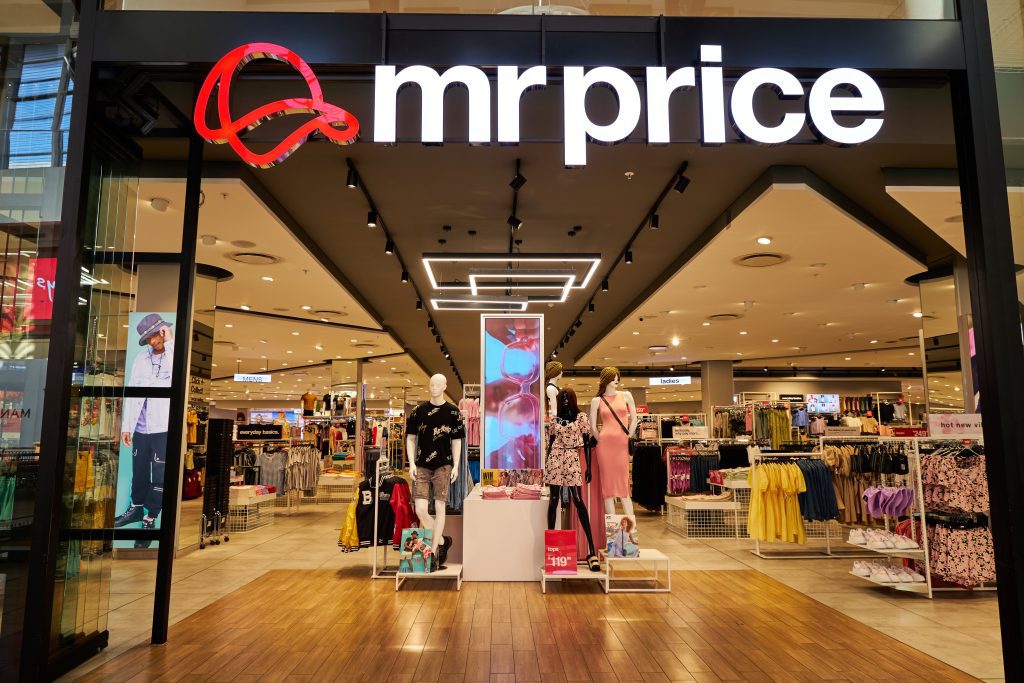
In March 2026, South African retail giant Mr Price successfully closed a highly controversial €487 million (R9.66 billion) acquisition of the German discount chain NKD, shifting its operations into seven European countries.
To fund this massive purchase, Mr Price took on R7 billion in term loans, introducing structural debt to its previously debt-free balance sheet for the first time in years.
While the deal transforms Mr Price into a pan-continental player with over 5,000 stores and 40,000 staff members, the market reaction has been swift and brutal.
Investors immediately wiped R16.2 billion off Mr Price’s market value, sending its share price crashing by 13.7% in its worst one-day fall in six years.
This article explores the financial logic behind the deal, the fierce shareholder backlash, and whether Mr Price can actually compete in Europe’s ruthless value retail market.
The Financial Breakdown of the Mr Price NKD Deal
The acquisition of NKD is Mr Price’s fourth major purchase in four years, following deals for Studio 88, Power Fashion, and Yuppiechef.
The base purchase price for Pegasus Holding GmbH (NKD’s parent company) was €415 million, with an additional €38.5 million in shareholder loans, capping the total transaction at €487 million (R9.66 billion).
Historically, Mr Price has prided itself on maintaining a balance sheet entirely free of financing debt. However, this transaction was funded through a mix of existing cash reserves and the newly acquired R7 billion in term loans, which have a two-year repayment term.
Despite the hefty price tag, NKD operates on razor-thin profit margins. In the 2024 financial year, the German retailer generated €684.6 million in net sales but only delivered a profit after tax of €13.1 million.
This extremely low profitability means Mr Price is effectively paying a massive 37x earnings multiple for the business, a figure that has deeply unsettled the South African investment community.
Why Major Shareholders Are Sounding the Alarm
The immediate double-digit decline in Mr Price’s share price reflects deep skepticism from institutional investors.
Prominent asset managers, including 36One Asset Management and Benguela Global Fund Managers, have publicly criticized the board’s decision.
Cy Jacobs, co-founder of 36One, penned an open letter highlighting the “terrible history” of value-destructive offshore acquisitions by South African retailers.
Jacobs pointed out that failed international expansions often share common traits: they are overvalued, debt-financed, and suffer from a limited understanding of local competitive dynamics.
Benguela echoed these concerns, warning of long-term shareholder value destruction due to NKD’s exceptionally weak profit margins, which hover around 1.5%, compared to Mr Price’s typical 9% to 14% operating margin.
Custom Analysis: Can NKD Survive Europe’s Retail Battlefield?
To understand if Mr Price can turn this risky acquisition into a success, we must examine the European value retail sector. The €280 billion discount fashion market is highly saturated and aggressively competitive.
Below is a proprietary comparison of NKD against its biggest European rivals, highlighting the strategic positioning Mr Price is banking on:
- Primark: Operates 430+ megastores with €9 billion in sales. Advantage: Massive scale and fashion leadership. Weakness: Urban focus makes them vulnerable to high rents.
- Pepco: Boasts 3,000+ stores with €3.5 billion in sales. Advantage: Dominates Central and Eastern Europe (CEE) in kids and homeware.
- KiK: Operates 3,700 stores with €2.5 billion in sales. Advantage: The absolute price leader for basic items.
- NKD (Mr Price): 2,108 stores with €0.85 billion in sales. Advantage: Focuses on small-box formats (300sqm) in secondary towns and rural areas, avoiding direct urban competition.
The E-Commerce Moat
A primary concern for retail investors today is the unstoppable rise of ultra-low-cost online players like Shein and Temu.
However, NKD has a unique, built-in defense mechanism. Its target demographic skews older, primarily capturing shoppers between 45 and 60 years old.
Because of this older customer base, NKD is relatively insulated from digital fast-fashion giants. Data shows that only 35% of NKD’s customers also shop on Shein, giving them a distinct advantage over younger-skewing competitors like H&M and Zara.
The Strategic Upside for Mr Price
Despite the obvious risks, Mr Price CEO Mark Blair believes the two companies share a fundamental value retail DNA.
Both brands target cash-conscious families, rely heavily on private labels, and maintain strict cost discipline.
Mr Price hopes to use its highly efficient supply chain and flexible fashion curation to lift NKD’s margins by 150 to 250 basis points over time. If they can achieve a mere 200 basis point expansion, the R9.66 billion price tag becomes earnings-accretive by its second year.
Furthermore, NKD possesses a massive technological advantage. Under its previous owners, TDR Capital, NKD developed advanced AI and machine learning tools for pricing, markdown optimization, and assortment planning.
Mr Price plans to integrate this sophisticated data science across its broader African business operations, creating unexpected synergies.
The 2030 Vision and Future Capex
Mr Price has set an ambitious target for NKD: reaching R20 billion (€1 billion) in annual sales by the year 2030.
To achieve this, NKD needs to grow its net sales by an average of 6.5% annually and double its earnings before interest and taxes (EBIT) margin to between 8% and 10%.
The company is already planning significant capital expenditure (capex) to fuel this growth. For the 2027 financial year, Mr Price will spend R1.1 billion in South Africa on 180 new stores and tech investments, while allocating €24 million (R455 million) to open 150 new NKD stores in Europe.
Key Takeaways for Market Beginners
- Massive Scale: Mr Price bought NKD for R9.66 billion, pushing its global store count past 5,000.
- Structural Debt: The deal required R7 billion in term loans, adding rare debt to Mr Price’s balance sheet.
- Investor Panic: The market punished the stock due to NKD’s thin 1.5% margins and a high 37x PE ratio.
- Growth Strategy: NKD targets underserved rural towns in Europe, protecting it from major urban competitors and e-commerce giants like Shein.
- Data Advantage: NKD’s advanced AI pricing models could revolutionize Mr Price’s entire retail network.
Ultimately, the success of this monumental deal hinges on strict execution. If Mr Price can enforce its legendary cost discipline in Europe, the gamble will pay off. If not, it may join the long list of South African retailers that stumbled abroad.











Leave a Reply