
The Tongaat Hulett Crisis Explained
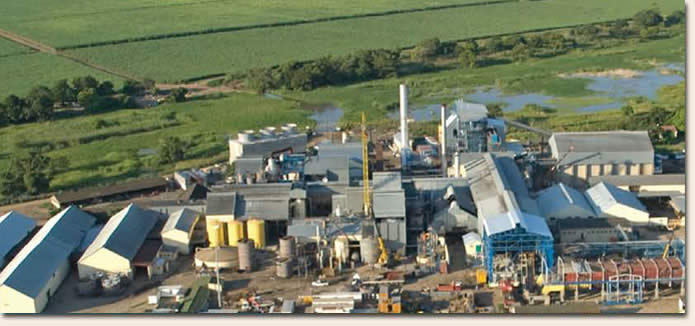
Tongaat Hulett is the largest producer of refined white sugar in South Africa and a massive pillar of the agricultural economy. The company operates three major sugar mills and the only standalone white sugar refinery in the country.
However, the company has been struggling to survive. After entering voluntary business rescue in October 2022, the business rescue practitioners filed for provisional liquidation in early 2026. This move sparked widespread panic across the agricultural sector, as it threatened to shut down milling operations entirely.
Fortunately, the company secured a last-minute lifeline in April 2026. The Industrial Development Corporation (IDC) agreed to add R200 million to its funding facility, boosting the total to R2.5 billion. This extra cash delayed the court hearing and gave the business breathing room until mid-June 2026.
Why is Tongaat Hulett Facing Liquidation?
Many beginners wonder how such a massive, 134-year-old business could fail. The root cause of the current crisis traces back to a few major issues:
- The 2018 Accounting Scandal: The company suffered a massive blow when an accounting scandal was uncovered in 2018, destroying over R12 billion in shareholder value.
- Failed Business Rescue: Despite being in business rescue since 2022, a proposed rescue plan involving a sale to the Vision Consortium ultimately fell through and lapsed.
- Industry Pressures: The company has also been fighting against rising production costs, the Health Promotion Levy (sugar tax), and an influx of cheap imported sugar.
How Will This Affect South Africa’s Economy?
If Tongaat Hulett is liquidated and its mills close, the economic damage will be devastating for rural communities in KwaZulu-Natal and Mpumalanga.
Here is exactly who stands to lose the most:
- 40,000 Jobs at Risk: Between 35,000 and 40,000 livelihoods are directly threatened, including mill workers, farm labourers, and transport contractors.
- Small-Scale Farmers: Over 18,000 sugarcane growers rely entirely on Tongaat Hulett’s mills to process their crops. According to the South African Farmers Development Association (SAFDA), about 60% of South Africa’s small-scale sugarcane farmers operate in the company’s catchment area.
- Everyday Consumers: White sugar is an essential ingredient for large manufacturers who make soft drinks, biscuits, and confectionery. If the mills close, these companies will struggle to source local sugar.
The Threat of Cheap Sugar Imports
The financial trouble at Tongaat Hulett has already allowed foreign sugar imports to skyrocket. SA Canegrowers reported that 213,322 tonnes of sugar were imported into South Africa between April 2025 and March 2026. This is more than double the amount imported the previous year.
Much of this imported sugar comes from countries like Brazil and India, where governments heavily subsidize their farmers. This allows foreign producers to sell sugar at extremely cheap prices, making it impossible for local South African farmers to compete.
What Are Unions and Farmers Saying?
Major organizations are urging the government to step in and save the business.
The South African Federation of Trade Unions (SAFTU) views the collapse of the sugar mills as part of a dangerous trend of de-industrialisation in South Africa. They are demanding urgent state intervention to protect rural industrial ecosystems from irreversible destruction.
Meanwhile, SA Canegrowers and SAFDA are actively engaging with the Department of Trade, Industry and Competition (DTIC) to find a solution. SAFDA has urged farmers to remain calm, though they acknowledge that the situation puts the entire rural economy in jeopardy.
What Happens Next? The June Hearing
The fate of Tongaat Hulett will be decided at the upcoming KwaZulu-Natal High Court hearing on June 17 and 18, 2026.
For now, the extra R200 million in funding ensures that the mills can prepare for the crushing season, staff can receive their salaries, and farmers can get paid for their crops.
If the business rescue practitioners and investors cannot finalize a permanent rescue deal by the June hearing, industry leaders are begging for a “funded liquidation”. This would provide enough money to keep the mills running while the company is officially closed down, preventing an immediate economic collapse in South Africa’s sugar-producing regions.











Leave a Reply