

The New Wave of US Tariffs
On June 2, 2026, the Office of the United States Trade Representative (USTR) unveiled a sweeping new tariff proposal. The USTR determined that the trade practices of 60 economies fail to prevent the importation of goods made with forced labor.
Because of this, the US has proposed an additional 12.5% duty on imports from 54 of these nations. This target list includes eight major African countries: South Africa, Nigeria, Algeria, Angola, Egypt, Libya, Mauritania, and Morocco.
These new tariffs add fresh pressure to African economies that are already struggling to maintain a foothold in a volatile global trade environment.
Why is the US Imposing These Penalties?
The Forced Labor Investigation
The tariffs are the direct result of 60 simultaneous Section 301 investigations launched by Washington in March 2026. The investigations assessed whether trading partners have strict legal frameworks to block forced-labor goods from crossing their borders.
US Trade Representative Jamieson Greer stated that the failure of trading partners to act is unacceptable. He argued that this inaction forces American workers and businesses to compete globally on an “unlevel playing field” against artificially cheap goods.
A “Plan B” for the Trump Administration
This aggressive trade move is widely considered a “Plan B” for President Donald Trump’s global tariff strategy. In February 2026, the US Supreme Court struck down his earlier universal tariffs, which had been implemented under the International Emergency Economic Powers Act (IEEPA).
Unlike previous tariffs aimed at correcting trade imbalances, these new penalties strictly target governance and regulatory enforcement.
How Will This Impact South Africa and Nigeria?
For African exporters, this new duty means the cost of doing business with the US is about to go up.
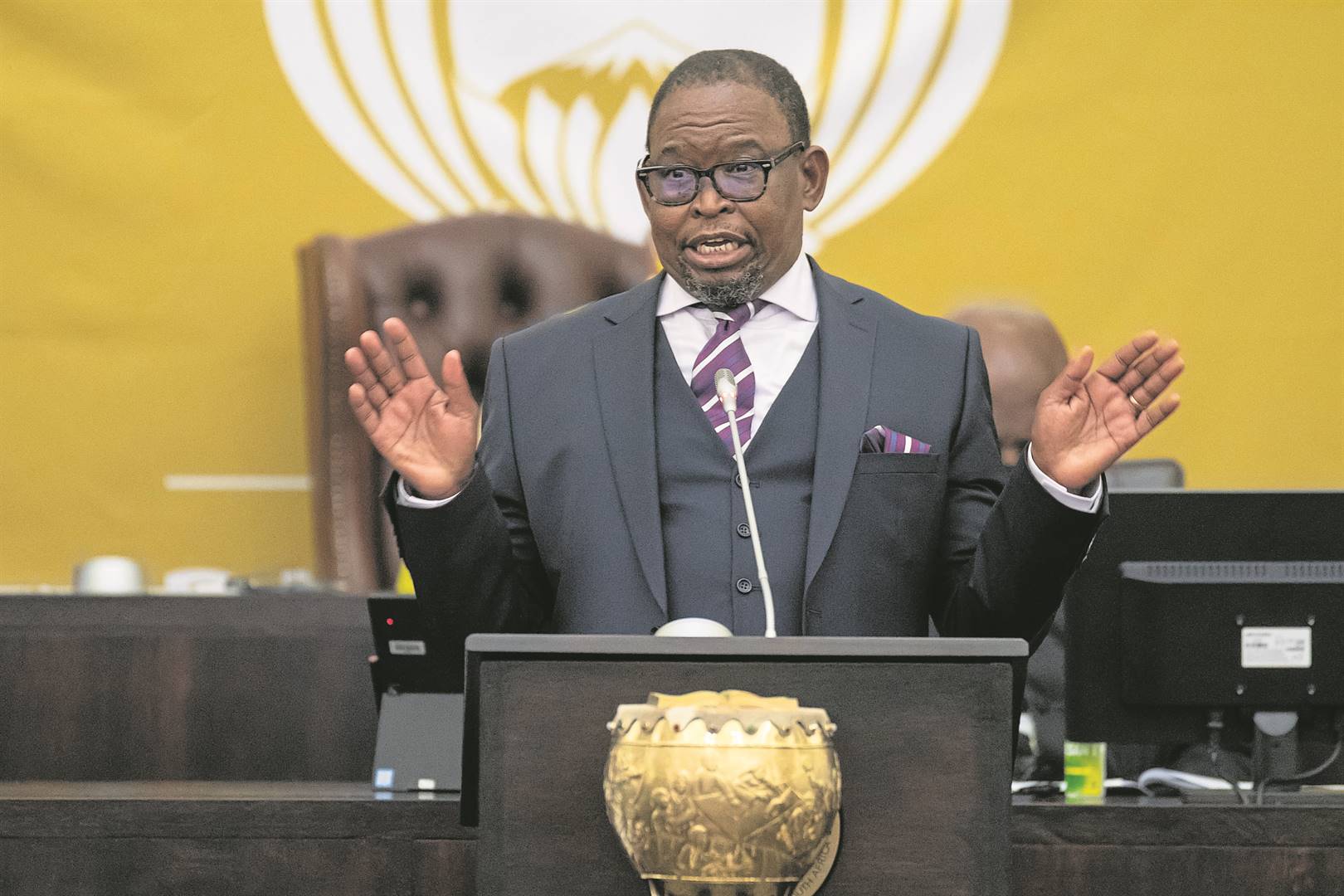
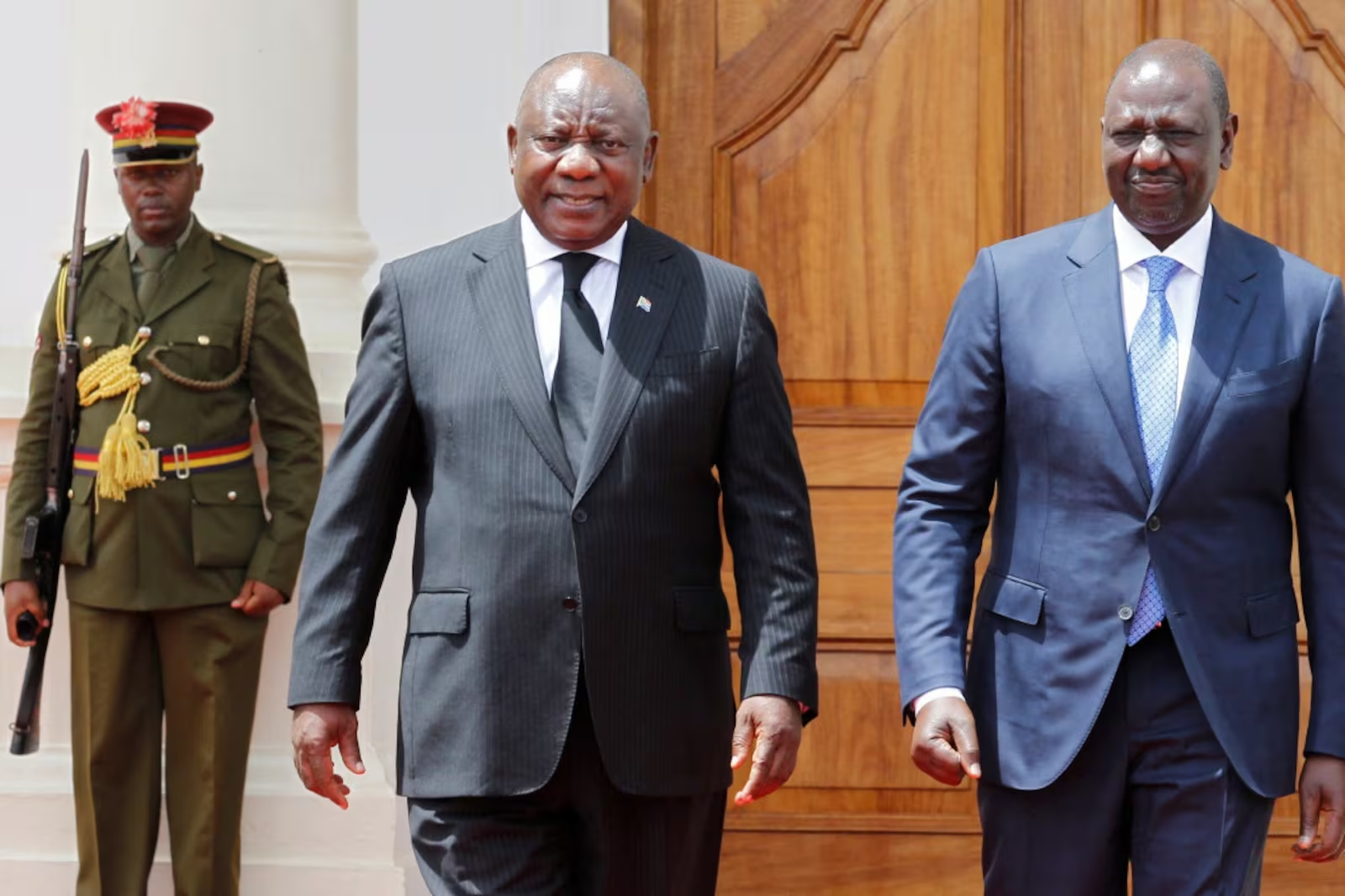
In South Africa, this 12.5% tariff is layered on top of existing trade barriers, including a 30% reciprocal tariff that took effect in August 2025 and heavy 50% tariffs on steel and aluminium. South Africa’s Minister of Trade and Industry, Parks Tau, described the nation’s trade relations with the US as “fluid” while reviewing the investigation’s terms.
Nigeria, Africa’s largest economy, is also facing this immense pressure just as it attempts to restructure its broader trade relationship with Washington.
Are Any Products Exempt?
Fortunately, the White House has carved out specific exemptions for goods that the US economy heavily relies on.
Key exempted goods include:
- Platinum-group metals: Essential for the US automotive sector to manufacture catalytic converters.
- Energy products: Coal, crude oil, and petroleum are excluded to support anti-decarbonisation drives.
- Base and precious metals: Gold, copper, zinc, manganese, and nickel.
- Agriculture and medical goods: Coffee, fertilisers, pesticides, pharmaceuticals, and semiconductors.
What Happens Next?
The proposed 12.5% tariff is currently under review and has not yet officially taken effect.
A public hearing is scheduled for July 7, 2026, giving affected industries and governments a window to submit their comments and arguments.
Ultimately, African governments are left with a difficult choice: urgently build the legislative mechanisms to keep forced-labor goods out of their supply chains, or accept a much more expensive route into the American market.



Leave a Reply