
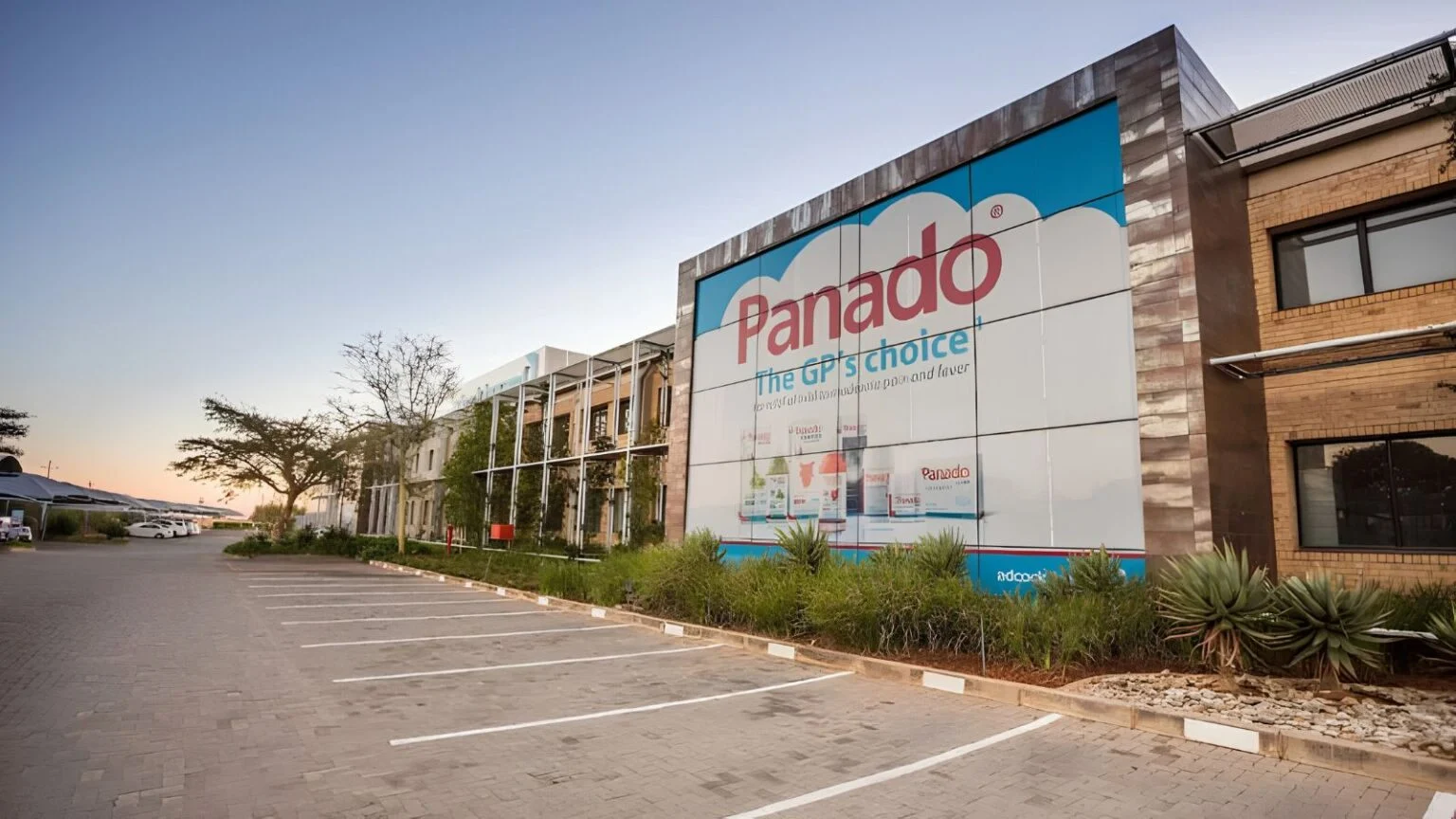
An Iconic South African Brand
Adcock Ingram is a massive name in South African healthcare, originally founded over 130 years ago in 1891. The company is the trusted manufacturer behind essential household brands like Panado, Allergex, Epi-max, and Citro-Soda.
As the largest supplier of hospital and critical care products in the country, the company employs over 2,400 people and generates billions in revenue. However, the famous pharmaceutical manufacturer is currently facing serious legal challenges and structural changes.
New Covid-19 Antitrust Allegations
South Africa’s antitrust watchdog has recently accused Adcock Ingram of profiteering during the Covid-19 pandemic.
The Competition Commission claims the company failed to pass on massive pricing benefits and discounts for vital dialysis machines and related drugs. These life-saving discounts were originally provided by the medical-technology company Baxter International during the global health crisis.
If found guilty of this price gouging, the penalty could be incredibly severe. Authorities could fine the company up to 10% of its annual revenue. The Commission is set to refer this case to the Competition Tribunal for prosecution.
A History of Legal Troubles
This is not the first time Adcock Ingram has found itself in the crosshairs of regulators and competitors.
- 2008 Price-Fixing Scandal: The company’s critical-care unit admitted to collusive tendering and price-fixing for state hospital intravenous products. This resulted in a massive R53.5 million penalty, which represented 8% of their annual turnover at the time.
- 2017 Merger Fine: The firm was hit with another penalty for unlawfully implementing a merger structure with the Bidvest Group before getting formal regulatory approval.
- The “BUCOD” Trademark War: In 2025, Adcock Ingram lost a trademark battle against competitor Aspen Pharmacare. The High Court banned Adcock’s “LENBUCOD” product from shelves because the name was confusingly similar to Aspen’s registered “MYBUCOD” trademark.
Leaving the Johannesburg Stock Exchange (JSE)
Amidst these legal battles, Adcock Ingram has officially entered a new era regarding its corporate ownership. The 135-year-old company delisted from the JSE on 11 November 2025.
This historic move was finalized after the Indian pharmaceutical group, Natco Pharma, stepped in to acquire the company’s minority shares.
Here is a quick breakdown of the major acquisition deal:
- Natco Pharma offered R75 per share to buy out minority shareholders.
- The deal received overwhelming support, with 98.66% of shareholders voting in favour of the buyout.
- South Africa’s Bidvest Group will remain the majority owner, firmly holding onto its 64.3% stake in the company.
Interestingly, this marks the second time Adcock has exited the JSE. The company previously delisted in the year 2000 after being fully acquired by Tiger Brands, before relisting again as an independent entity in 2008.
What Does This Mean for Consumers?
Despite the corporate shake-ups and legal drama, everyday consumers shouldn’t worry about their medicine supply. Adcock Ingram remains the second-largest pharmaceutical player in the South African private and public markets.
The company also recently reported strong financial growth, boasting a 20.1% increase in trading profit and generating R4.8 billion in half-year revenue. With the powerful backing of Bidvest and Natco Pharma, Adcock Ingram aims to continue successfully providing essential medicines to the public.









Leave a Reply