
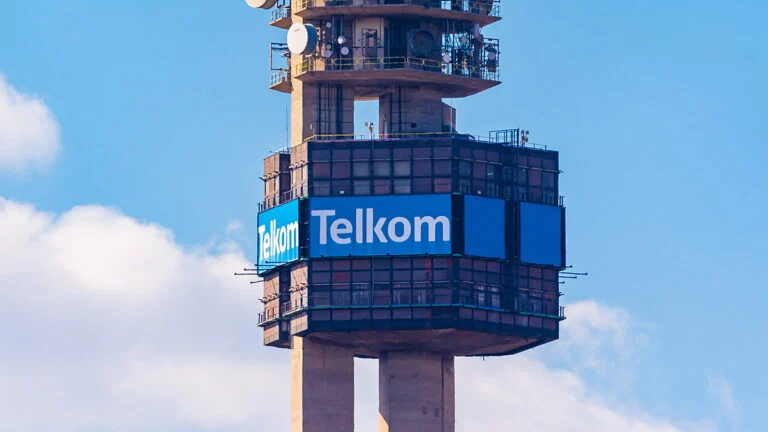
Telkom’s Record-Breaking Financial Year
Telkom has reported incredibly strong financial results for the 2026 financial year, showing that its digital transformation strategy is paying off. The telecommunications giant saw a massive 27.5% increase in profit, soaring from R2.7 billion to R3.5 billion.
Overall group revenue also saw a healthy bump, growing by 1.4% to reach R44.48 billion. These impressive numbers have dazzled investors and market analysts alike, positioning Telkom as a major player in South Africa’s digital future.
The Hidden Truth: The Sale of Swiftnet
While the profit numbers look fantastic on paper, a deeper dive reveals an interesting catch. This massive financial boost was largely driven by the sale of Swiftnet, Telkom’s mast and tower business.
Telkom sold this vital infrastructure for R6.6 billion, which allowed the company to cut its massive debt almost in half. Thanks to this sudden cash injection, Telkom was finally able to pay out dividends to its shareholders for the first time in four years.
However, this short-term win comes with long-term consequences. Telkom now has to lease back the towers it once owned to keep its networks running. Much like MTN experienced after selling its towers in 2021, leasing can lead to rising long-term costs and possible delays in rural network upgrades.
Surging Demand: Reaching 25 Million Mobile Subscribers
Beyond tower sales, Telkom’s core consumer business is booming like never before. The company recently hit a major operational milestone, surpassing 25 million mobile subscribers for the first time.
This explosive growth is mostly driven by South Africans’ massive and growing appetite for mobile data. In fact, data users now make up more than 76% of Telkom’s total customer base.
Key drivers of this impressive success include:
- Hyper-local data deals: Platforms like Mo’Nice and Mo’Town offer area-specific data bundles, generating over half of all prepaid revenue.
- Aggressive rural expansion: A targeted push into non-metropolitan areas has successfully helped Telkom compete outside major cities.
- Fibre Internet dominance: Openserve, Telkom’s fibre business, recorded its first full-year revenue growth since 2017, passing 1.5 million homes. Openserve now boasts an industry-leading connectivity rate of over 53%.
How Regulations Are Reshaping SA’s Telecoms
The entire telecommunications landscape in South Africa is currently undergoing a massive shift. Unlike markets in the US or Europe, South African regulators focus heavily on public interest and social equity when approving business deals.
For example, the massive Vodacom-Maziv merger took three and a half years to get regulatory approval. Regulators heavily demanded job guarantees, rural broadband expansion, and support for small businesses before giving the green light.
Industry experts argue that old licensing models are now outdated and slowing down progress. Operators and regulators must urgently work together to speed up infrastructure rollouts and provide faster internet speeds for everyone.
What Does This Mean for Everyday Customers?
For everyday internet and mobile users, Telkom’s financial restructuring comes with both promises and potential risks. The company’s heavy focus on data means better local deals and faster fibre internet for many homes.
However, because Telkom now rents its cellphone towers instead of owning them, there is a risk that these leasing costs could be passed on to the consumer. Over the coming year, customers should keep a close eye on their signal quality, pricing, and network coverage in rural areas to see if they are getting less for more.















Leave a Reply