
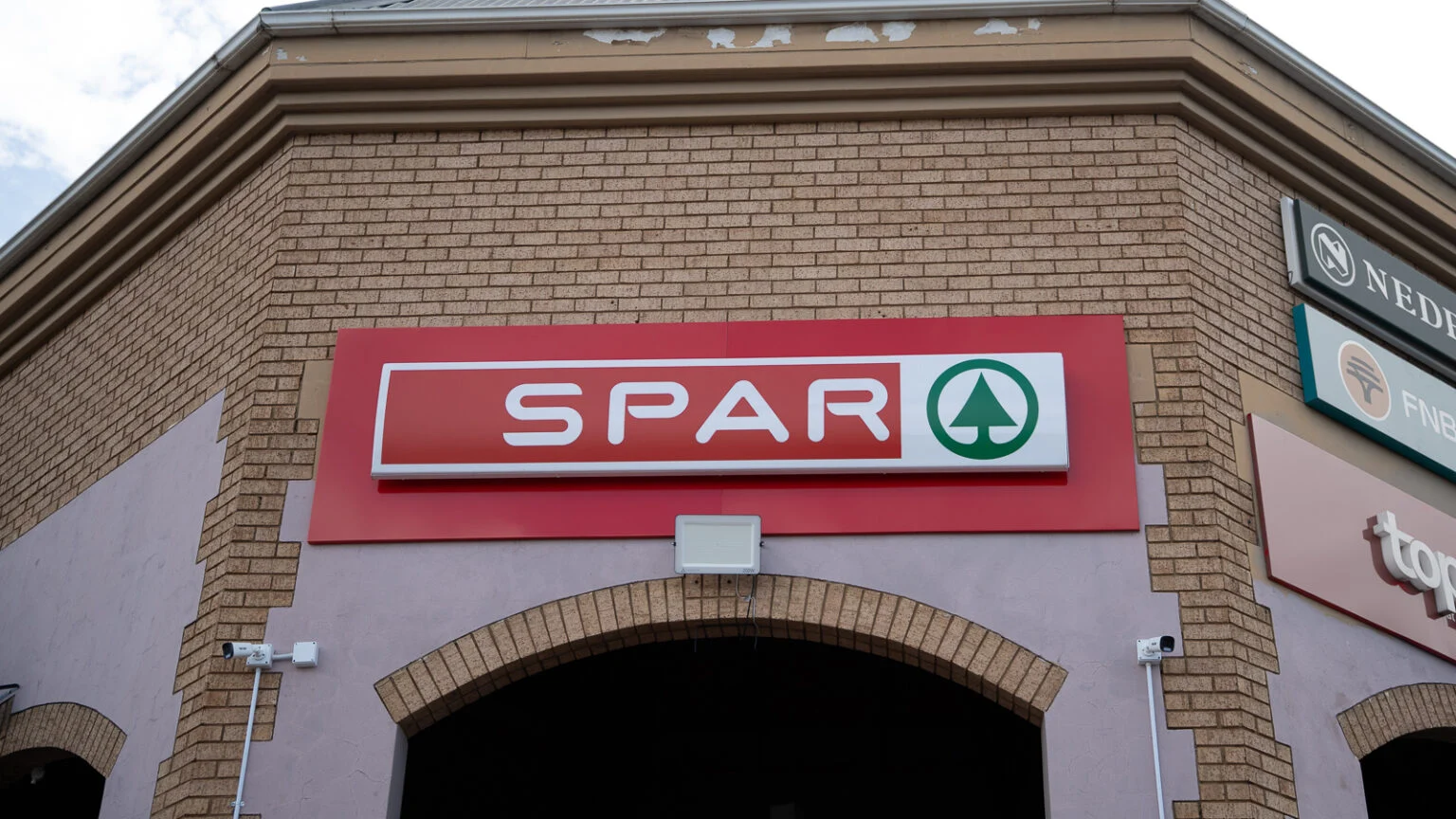
Introduction to the SPAR Group Crisis
The SPAR Group, a major player in the South African retail sector, has recently faced a massive corporate governance crisis. What initially seemed like a minor accounting discrepancy quickly snowballed into a major scandal involving top executives and franchisees.
For a company built on a franchise model of independent retailers, trust is everything. However, allegations of fraudulent accounting, fictitious loans, and hostile store takeovers have severely damaged the brand’s reputation in recent years.
This article breaks down exactly what went wrong at SPAR, how store owners are fighting back, and what the company is doing to fix its balance sheet.
The ‘Fictitious’ Loans Scandal
The controversy first made headlines when SPAR’s auditors, PwC, uncovered highly questionable accounting practices. The auditors flagged certain transactions as a “reportable irregularity” and reported the company to the Independent Regulatory Board for Auditors (Irba).
Following an internal legal probe, the SPAR board admitted that “fictitious” and “fraudulent” loans had indeed taken place. The company identified three specific transactions of this nature, with a combined value of roughly R11 million.
These loans were allegedly used to manipulate the company’s financial health. In one instance, a corporate-owned store valued at R11 million was sold to independent merchants who only paid R8 million. To avoid writing off the remaining R3 million as a loss, SPAR executives allegedly recorded a “fictitious” loan for the full amount.
Top Executives Implicated and Board Shake-Ups
The fallout from the fraudulent loan revelations was swift and resulted in a major shake-up of SPAR’s leadership. The division responsible for the creative accounting was previously headed by Brett Botten, who later became the Group CEO.
As the scandal intensified, both CEO Brett Botten and Chairman Graham O’Connor stepped down from their roles. To stabilize the company, Mike Bosman was appointed as the new independent non-executive Chairman. By October 2023, Angelo Swartz took over as the new Group CEO.
To further clean up its corporate governance, SPAR made several sweeping changes:
- Replaced key board members with new independent directors to ensure better oversight.
- Outsourced its internal audit function entirely to the firm EY.
- Adopted a strict “malus and clawback” policy to recover bonuses from executives involved in misconduct.
Store Owners and AfriForum Fight Back
The governance crisis isn’t just about accounting; it involves fierce legal battles with the very franchisees that run SPAR stores. Amaan Sayed, a Johannesburg-based SPAR store owner, opened a criminal fraud case against the company’s leadership.
Sayed alleges that SPAR deliberately inflated the price of a loss-making megastore he purchased in 2018. He claims the R8 million sale agreement was tied to a fictitious loan meant to create “fraudulent inflated profits” for the group’s balance sheet.
Additionally, the Giannacopoulos Group, which operates 45 SPAR and Tops stores, has accused SPAR of corporate skullduggery. Assisted by AfriForum’s Private Prosecution Unit, the family filed criminal complaints of fraud and perjury against senior executives. They allege that SPAR executives lied in court to fraudulently seize control of their supermarkets.
The Financial Impact and Road to Recovery
The ongoing governance issues, combined with poor international expansion strategies, have heavily impacted SPAR’s bottom line. According to the Group’s 2025 Annual Financial Statements, SPAR reported a staggering R4.8 billion loss for the year.
This massive deficit was driven largely by the decision to dispose of its failing international businesses in Poland, Switzerland, and the UK. The company recognized over R4.6 billion in impairment losses related to these discontinued operations.
Despite these massive hurdles, SPAR is actively trying to turn the ship around. The newly restructured board is currently focused on:
- Resolving outstanding whistle-blower complaints and fraud investigations.
- Selling off loss-making international subsidiaries to refocus on the South African market.
- Rebuilding trust with its network of independent retailers through transparent governance.







Leave a Reply