
Are South African Drivers Being Put at Risk?
South Africa has recently seen a massive influx of affordable, entry-level vehicles, particularly from emerging Chinese brands. While these cars offer great value for cash-strapped consumers, experts are raising serious red flags about their safety standards.
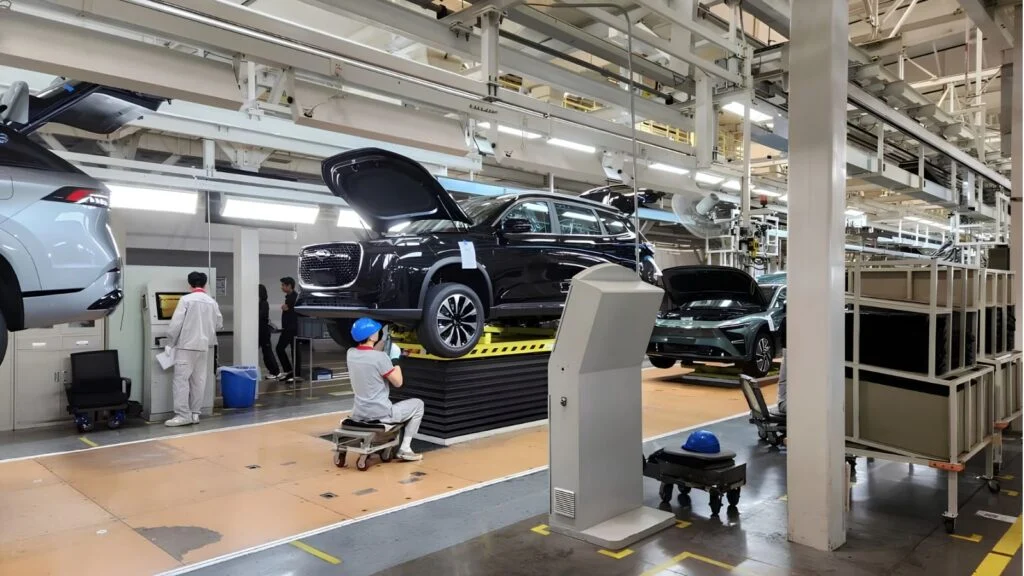
Automobile Association (AA) CEO Bobby Ramagwede recently warned the public about severe safety concerns regarding some of these popular vehicles. Following a recent trip to China, Ramagwede noted alarming instances of “corner-cutting” in the manufacturing quality of certain vehicles.
He highlighted that the tensile strength of the metal used for critical structural parts, such as pillars and door struts, “rang an alarm bell”. This has sparked a nationwide debate on whether affordability is coming at the cost of human lives.
Dismal Crash Test Results Uncovered
To uncover the truth about vehicle safety, the AA partnered with Global NCAP under the #SaferCarsForAfrica campaign. This initiative involves buying entry-level cars in South Africa and submitting them to rigorous global crash tests.
The results have been highly concerning for several popular models:
- Chery Tiggo 7 Pro: This highly popular Chinese SUV received a disappointing two-star rating for adult occupant protection.
- Toyota Starlet: An older model of this vehicle received a shocking zero-star rating for adult occupant protection.
- Hyundai Grand i10: This popular budget car also received a zero-star safety rating.
- GWM Steed 5: The South African-spec bakkie scored zero stars, with its structure rated as “unstable”.
What Are These Cars Missing?
You might be wondering why these modern-looking vehicles are failing so terribly in crash tests. The AA has identified several critical safety features that are completely missing or underperforming.
The primary reasons for these low ratings include:
- Lack of Side Airbags: Many cars do not offer standard side head or curtain protection, exposing passengers to severe head injuries during side-impact crashes.
- No Electronic Stability Control (ESC): This crucial feature helps prevent vehicles from skidding out of control, but it is often missing or fails to meet global standards.
- Unstable Bodyshells: In several tests, the footwell areas and vehicle bodyshells were found to be completely unstable and unable to withstand the impact forces.
The Double Standard: Profits Over People?
One of the most frustrating aspects of this crisis is the double standard applied by global car manufacturers. Vehicles sold in South Africa are legally allowed to meet much lower safety standards than those sold in Europe or Australia.
Ramagwede argues that this is a matter of morality rather than legality. While carmakers comply with local laws, the AA believes that a life in Africa is worth just as much as a life in Europe. A car that is considered safe in Europe should offer the exact same protection in South Africa.
Furthermore, economies of scale mean that manufacturers could easily include standard airbags without dramatically increasing the price of the cars. Instead, they are choosing to maximize profits by stripping out life-saving features.
Misleading Marketing Tactics
Adding fuel to the fire, some manufacturers have been accused of using “smoke and mirrors” marketing tactics to confuse buyers.
For example, Chery frequently advertises a five-star Euro NCAP rating for the Tiggo 7. However, this rating applies to the European model, which has far more safety features than the entry-level models sold in South Africa. Global NCAP strongly criticized this practice as highly misleading to local consumers.
Toyota also pushed back against the AA’s findings, issuing a cease and desist letter regarding the Starlet’s zero-star rating. Toyota claimed the tested vehicle was an obsolete model and that the newer version features six airbags. The AA has refused to back down and plans to independently test the newer model in Germany to verify these claims.
What Should Car Buyers Do?
If you are in the market for a new, affordable vehicle, you do not have to compromise on your safety. You hold the power to demand better from local dealerships.
Here are three crucial steps to protect yourself and your family:
- Ask for the NCAP Rating: Always ask the salesperson to show you the official Global NCAP safety rating before signing any paperwork.
- Avoid Low-Rated Cars: The AA strongly advises against buying any vehicle that scores lower than a three-star rating on a Global NCAP test.
- Check for Standard Features: Insist on knowing exactly what safety features come standard. Ensure the car has side head protection (curtain airbags) and Electronic Stability Control (ESC).
South African motorists deserve world-class safety, regardless of their budget. By staying informed and asking the right questions, you can ensure your next car purchase protects what matters most.














Leave a Reply