
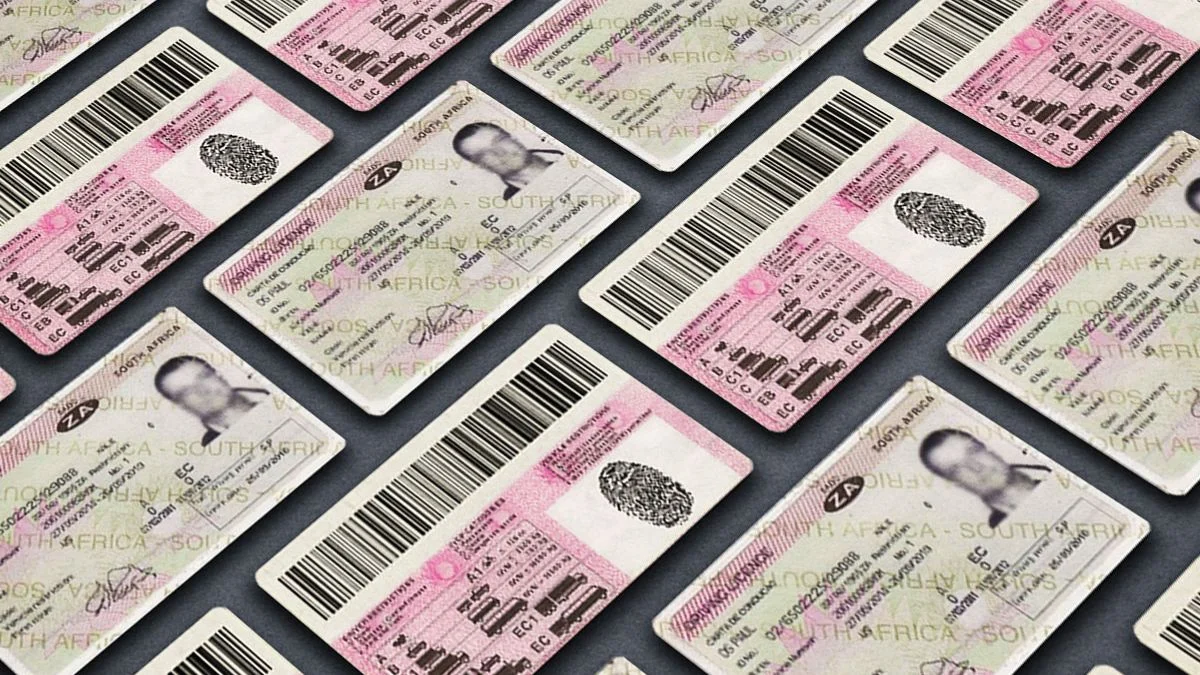
South African motorists are on the brink of the most significant changes to the country’s licensing system in decades. The Department of Transport and the Department of Communications and Digital Technologies are currently spearheading three major initiatives: extending the validity period of licence cards, introducing a new printing machine for safer physical cards, and launching a fully digital driving licence accessible via smartphones.
Here is everything motorists need to know about the upcoming overhaul of the licensing regime.
Extension of validity period to eight years
In a move that will bring relief to millions of drivers, the government has confirmed that the validity period for driving licence cards will be extended from five years to eight years. The Department of Transport’s Director-General, Mathabatha Mokonyama, recently informed Parliament that the decision to extend the period has been concluded.
Transport Minister Barbara Creecy has voiced strong support for the extension, noting that it is the right move for ordinary citizens who currently face the administrative burden of renewing their documents every five years. While the proposal still needs to go through the necessary parliamentary processes for endorsement, the department has indicated that South Africa is definitely moving toward this longer validity period soon.
However, this change will likely apply to ordinary motorists rather than those driving heavy vehicles or transporting passengers for reward, who may still be required to renew their credentials more frequently to ensure safety standards are met. The department is currently finalizing a cost-benefit analysis to understand the financial impact on the Driving Licence Card Account (DLCA), which relies on renewal fees for revenue.
Introduction of digital driving licences
While the physical card remains in use, the government is actively developing a digital alternative. Minister of Communications and Digital Technologies, Solly Malatsi, recently demonstrated a functional prototype of a digital driving licence at a global summit.
This digital licence will live within a new government super-app called MyMzansi. The system allows motorists to renew their licences entirely through the app, completing the process in minutes. Once renewed, the digital licence is stored on the user’s smartphone and features a QR code. Traffic officers can scan this code to verify the validity of the licence immediately, potentially ending the solicitation of bribes during roadside checks.
The prototype was developed by the Digital Service Unit within the Presidency, utilizing open-source technology already in use in countries like India and the UK. The MyMzansi platform aims to create a single digital identity for South Africans, linking to Home Affairs and other national systems to verify data and photos automatically.
New physical cards and printing machines
For those concerned about the reliability of digital infrastructure, physical cards are not disappearing yet. The Department of Transport is in the final stages of procuring a new printing machine to replace the country’s aging and breakdown-prone printer.
The new physical driving licence cards will be manufactured from 100% polycarbonate material and will feature enhanced security elements to combat fraud. These features include biometric data, watermarks, and holograms. The design will also include a secondary image of the licence holder’s face engraved into the card and a QR code on the reverse side.
The procurement process has faced delays, with initial targets to begin printing in April 2024 having been missed. The department has faced challenges regarding tender adjudication, which previously led to cancellations following investigations by the Auditor-General and civil society groups. Despite these setbacks, the transition to the new card format remains a priority to clear production backlogs and improve security.
Challenges and rollout timeline
While the government is pushing for modernization, experts have warned that South Africa faces hurdles in implementing a digital-first system. Technology analysts have pointed out that while smartphone adoption is high, millions of South Africans still lack reliable access to devices or data, meaning a physical alternative must remain available to avoid exclusion.
Security is another primary concern. Any digital system will require robust encryption and the ability to function offline to be effective in areas with poor network coverage. Furthermore, the DLCA has set conservative targets for the rollout, aiming for only 25% implementation of the new card system by the 2026/27 financial year.
Simultaneously, the National Road Traffic Amendment Act was recently signed into law. This legislation introduces stricter regulations for driving schools and creates inspectorates to oversee manufacturers of number plates and microdots, further tightening road safety compliance.
With the validity extension confirmed to be in the pipeline and digital prototypes already functioning, South African drivers can expect a vastly different, more convenient licensing landscape in the near future, provided the government can navigate the infrastructural and procurement challenges ahead.















Leave a Reply