

South African households face a challenging financial landscape this week as the South African Reserve Bank (SARB) prepares to make its latest interest rate announcement on May 28, 2026. Driven by volatile global geopolitics and rising domestic inflation, the Monetary Policy Committee is widely expected to implement a defensive 25-basis-point hike. Alongside skyrocketing global fuel prices and the imminent nationwide rollout of the strict AARTO traffic demerit system on July 1, 2026, local consumers must urgently adapt their financial strategies to protect their household budgets.
Here is a comprehensive breakdown of why the cost of living is rising, how it directly impacts your bond repayments, and the exact steps you can take to navigate these new financial hurdles.
Why the SARB is Raising Interest Rates in May 2026
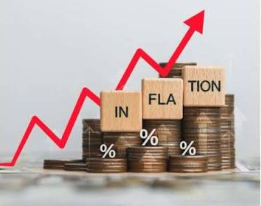
The expected repo rate increase is a direct response to rising inflation, which reached 4% in April 2026. While this sits within the Reserve Bank’s revised tolerance band, it rests dangerously near the upper limit.
Currently, the repo rate sits at 6.75%, having been held steady during the previous meeting in March. However, macroeconomic pressures have shifted. Economists project a 25-basis-point increase, pushing the repo rate to 7.0% and the prime lending rate to 10.5%.
This defensive maneuver by the SARB is primarily designed to build a vital buffer for the rand against a volatile US Dollar. By keeping local interest rates competitive, the Reserve Bank prevents capital flight, anchoring the local currency during a period of intense global uncertainty.
Global Conflicts Driving Up Local Fuel Prices
The cost of living in South Africa remains deeply intertwined with global geopolitical stability. Much of the current domestic inflation is driven by severe supply-chain disruptions in the Middle East.
Recent US military strikes in Iran’s Hormozgan province have disrupted shipping lanes in the Strait of Hormuz a critical choke point for international oil trade. Consequently, Brent crude oil futures have spiked to approximately $100 a barrel.
This massive “geopolitical risk premium” translates directly to higher prices at South African petrol pumps. When fuel prices rise, the cost of manufacturing and transporting everyday consumer goods surges alongside it, creating a ripple effect across all retail sectors.
How the Rate Hike Impacts South African Homeowners
For existing homeowners, an interest rate increase translates immediately to higher monthly bond repayments. However, historical data provides a vital silver lining when placing this 2026 hike into perspective.
A 10.50% prime lending rate is significantly lower than the devastating 11.75% highs experienced throughout 2024.
Proprietary Data: The 2026 Bond Repayment Comparison
To understand exactly how this affects your pocket, we calculated the monthly repayments on a standard 20-year home loan. Below is a custom comparison illustrating the difference between the expected 10.5% rate, the current 10.25% rate, and the 2024 highs:
- R1 Million Bond:
- Current (10.25%): R9,816 / month
- New Rate (10.5%): R9,983 / month (Increase of R167)
- 2024 High (11.75%): R10,837 / month
- R2 Million Bond:
- Current (10.25%): R19,632 / month
- New Rate (10.5%): R19,967 / month (Increase of R335)
- 2024 High (11.75%): R21,674 / month
- R3 Million Bond:
- Current (10.25%): R29,448 / month
- New Rate (10.5%): R29,950 / month (Increase of R502)
- 2024 High (11.75%): R32,511 / month
Data Insight: As the table demonstrates, a homeowner with a R2 million bond will pay roughly R335 more per month after this week’s announcement. However, their total monthly obligation remains roughly R1,700 cheaper than it was just two years ago.
The Crisis for First-Time Buyers
While existing homeowners have breathing room, first-time buyers are facing severe headwinds. Upfront deposit requirements demanded by banks surged by 38% in April 2026 alone. Lenders are aggressively mitigating their own risk, making it substantially harder for new entrants to access the property market without significant liquid savings.
Understanding the New AARTO Traffic Fine System
Beyond banking and fuel, South African motorists face stricter financial penalties starting July 1, 2026, when the Administrative Adjudication of Road Traffic Offences Act (AARTO) officially standardizes traffic fines nationwide.
Under AARTO, traffic violations are strictly split into minor administrative infringements and serious criminal offenses. The highly debated demerit system will profoundly change how motorists are penalized.
Key AARTO Demerit Rules You Must Know:
- A Blank Slate: Every licensed driver will start with zero demerit points on July 1.
- Strict Speeding Penalties: Fines begin at R400 and one demerit point for exceeding the speed limit by just 11km/h to 12km/h.
- Maximum Penalties: The steepest administrative penalty a driver can receive for a single incident is a R3,200 fine and six demerit points.
- License Suspension: Accumulating 15 demerit points triggers an automatic suspension of your driving license.
Actionable Strategies to Protect Your Household Budget
While these compounded financial updates may seem overwhelming, experts agree that South Africa’s financial sector possesses the resilience to weather this storm. You can protect your household by taking proactive, specific steps.
1. Renegotiate Your Bond Rate: Do not accept your current interest rate as permanent. Contact your bank to negotiate a slight reduction on your prime-linked rate. Even a 0.25% concession can absorb the upcoming SARB hike.
2. Optimize Your Daily Commute: With Brent crude at $100, organize a neighborhood carpool or utilize hybrid work-from-home days to drastically reduce your monthly fuel consumption.
3. Adopt Defensive Driving: A suspended license under AARTO could threaten your employment and livelihood. Adhere strictly to speed limits and ensure your vehicle is roadworthy to prevent accumulating sudden, costly demerit points.
Frequently Asked Questions (FAQ)
When does the SARB announce the new interest rate? The Monetary Policy Committee will announce the official interest rate decision on Thursday, May 28, 2026.
How do demerit points work under AARTO? Drivers receive points alongside monetary fines for traffic violations. If you reach 15 points, your license is suspended. Points reduce at a rate of one point every three months if no further violations occur.
Why are South African petrol prices affected by Iran? South Africa imports the vast majority of its crude oil. Conflict in the Middle East, particularly around the Strait of Hormuz, disrupts global oil supply chains, driving up the international price of Brent crude oil, which dictates local petrol costs.
Will house prices drop due to higher deposit requirements? While 38% higher deposit requirements limit first-time buyers, it is unlikely to crash house prices. Instead, it increases demand in the rental market as prospective buyers are forced to rent while saving larger deposits.
(For more official data on inflation targets, consult the : https://www.resbank.co.za/en/home/what-we-do/monetary-policy/inflation-targeting-framework)















Leave a Reply