
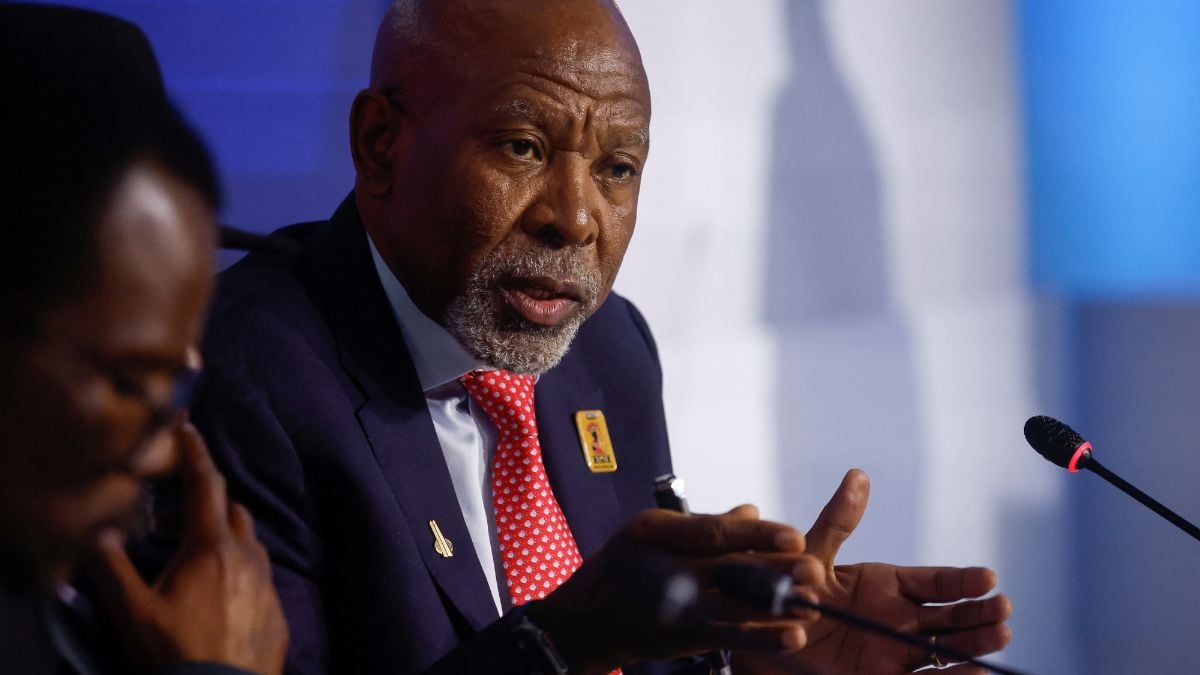
Following its final meeting of 2025, the South African Reserve Bank’s (SARB) Monetary Policy Committee (MPC) delivered a unanimous decision to cut the key repo rate by 25 basis points (bps) to 6.75%, effective 20 November 2025. This move takes the prime lending rate down to 10.25%.
The rate reduction was based on an improved inflation outlook and a belief that the SARB is on track to meet its newly adopted, lower inflation target. The current cutting cycle, which began in September 2024, has now seen total easing reach 150 basis points.
Relief for Consumers and Property Buyers
The immediate consequence of the rate cut is lower borrowing costs, providing stimulus to consumer spending and improving overall sentiment. The reduction in the prime rate makes home loans more accessible, particularly for first-time buyers.
The cumulative rate drops in this easing cycle translate into tangible savings for indebted households. For example, on a R1-million mortgage calculated at the prime rate, monthly repayments have decreased by R853 since the start of the cycle, resulting in savings exceeding R10,000 per year. For homeowners with medium-sized bonds (around R2.6 million), the latest 25 bps cut yields a monthly saving of R437.15.
For the property market, the rate cut signals a shift toward a more accommodative policy environment, boosting buyer confidence and market momentum. Lower financing costs also improve rental yield prospects and capital appreciation potential for property investors.
The Mandate Shift to 3% Inflation
The November 2025 MPC meeting was the first since the formal adoption of the new inflation target. Government formally set a new inflation target of 3% with a tolerance band of 1 percentage point (meaning 2% to 4%).
SARB Governor Lesetja Kganyago clarified the new mandate, stating: “We want to be at 3%”. While recognizing that no central bank can hit an exact point all the time, the new goal aims to anchor longer-run expectations at 3%. Achieving this goal is anticipated to benefit the economy over time by decreasing inflation and inflation expectations, which creates space for permanently lower interest rates and cheaper borrowing costs.
Inflation figures have recently accelerated somewhat, reaching 3.6% in October, although this remains within the SARB’s target band of 2%–4%. The SARB attributes this uptick mainly to temporary pressures from non-core items like meat, vegetables, and fuel, and expects inflation to head lower from the beginning of next year.
Key factors underpinning the positive inflation trajectory include:
• Downside inflation surprises driven primarily by decreased food inflation, especially vegetable prices.
• A stronger rand, which has appreciated 2.8% against the US dollar since the September MPC meeting.
• Lower oil price assumptions, with the SARB revising its Brent crude oil estimate down to $69/bbl for 2025.
Looking Ahead: Further Easing Expected
The SARB has raised its 2025 economic growth forecast slightly to 1.3% (previously 1.2%) and expects growth to continue toward 2% over the medium term. This improvement is partly driven by strong household spending supported by wealth effects, two-pot pension withdrawals, and lower inflation and interest rates.
Forecasting models indicate further easing is on the horizon. The SARB’s Quarterly Projection Model (QPM) suggests that an additional 50 basis points of rate cuts could be delivered in 2026, consistent with maintaining inflation at the 3% midpoint over the medium term.
However, the path to lower rates is dependent on a continued fall in inflation expectations and the government maintaining fiscal prudence. The SARB noted that risks, such as a sharp US dollar rebound causing the rand to depreciate or higher administered prices, could lead to rates coming down more slowly than the baseline projections.
While positive policy changes are stimulating the economy, underlying structural challenges persist. Domestic growth has been declining structurally for 15 years, largely due to productivity issues exacerbated by factors like load-shedding, which has severely impacted output over the last two years. The continued effective implementation of energy and structural reforms is crucial to avert further slowdown in economic growth and realize the benefits of lower interest rate












Leave a Reply