
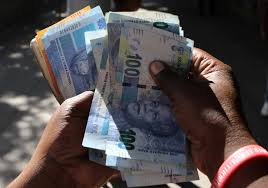
The financial stability of South Africans earning over R20,000 per month is under unprecedented strain, caught in a “perfect storm of overindebtedness” driven by elevated interest rates, crumbling purchasing power, and rising living costs. Data from DebtBusters shows that middle and upper-income households are facing severe financial distress, often allocating nearly three-quarters of their monthly earnings just to repay loans.
This crisis is pushing these high-earning consumers—who were historically more resilient—into dangerous financial territory.
The Unbearable Debt Load: Key Statistics
Analysis derived primarily from DebtBusters’ Debt Index and Money-Stress Tracker reveals record-high debt ratios among consumers seeking help.
For consumers earning R20,000 or more per month:
• Debt-to-Annual-Net-Income Ratio: This group faces a debt-to-income ratio of 137% or 127%, approaching the highest levels ever recorded.
• Average Debt Repayment Burden: On average, consumers in this bracket allocate 68% of their take-home pay to service debt.
• Unsustainable Debt Levels: Up to 62% of South Africans earning over R20,000 have debt levels considered unsustainable.
For the top-income earners (R35,000 or more per month), the pressure is even higher:
• Record Debt Ratio: The total debt-to-annual-net-income ratio stood at a staggering 189% (a record high), or 187% in Q4 2024, compared to 172% in earlier quarters.
• Highest Repayment Burden: These top earners are forced to use 78% of their income (or 74%) towards debt repayments.
Economic Forces Driving Overindebtedness
The financial pressures stem from a confluence of macroeconomic factors that have eroded real income and increased borrowing costs.
1. The Erosion of Purchasing Power and Stagnant Income
South Africans have experienced a dramatic decline in spending power, diminished by 47% or 42% compared to 2016. While cumulative inflation has grown by 44% to 51% since 2016, salary growth has stalled.
• Incomes for those earning between R20,000 and R35,000 have actually declined by 1% compared to 2016.
• Even for those earning R35,000 or more, income growth (3% to 10% since 2016) is negligible when adjusted for inflation.
2. Rising Cost of Living and High Interest Rates
The cost of servicing debt remains high, exacerbated by record-high interest rates and rising administered prices.
• High Borrowing Costs: Interest rates are at a 15-year peak, with the prime lending rate held at 11.75%. The average interest rate for unsecured debt has reached an eight-year high of 25.7% per annum.
• Surging Utility Costs: Since 2016, electricity prices have increased by 135% to 165% and petrol prices have risen by 72% to 80%. Future price hikes are confirmed, with Eskom allowed to increase tariffs by 9% in 2026 and 2027.
3. Bracket Creep: The Hidden Tax Hike
The failure of the National Treasury to adjust personal income tax brackets, rebates, or medical tax credits for inflation in the 2025/2026 tax year effectively constitutes a stealth tax. This phenomenon, known as bracket creep (or fiscal drag), means that inflation-driven salary increases push individuals into higher tax brackets, resulting in proportionately less take-home pay, even if their nominal income increases. This decision is expected to raise R19.5 billion in revenue.
The Human Cost: Case Scenarios and Sacrifices
The data translates directly into severe lifestyle trade-offs for working professionals.
• Reliance on Credit: With real earnings declining, many are turning to unsecured credit simply to supplement their income and make ends meet. For top earners (R35,000+), unsecured debt levels are 60% to 61% higher than in 2016.
• Eroding Savings: Standard Bank noted that over half (52%) of entry-level private banking clients (earning R25,000 or more) have less than one month’s salary saved for emergencies, such as retrenchments.
• Cutting Essentials: For higher income bands (R20,000 or more), the financial cuts are often made to crucial long-term expenses like insurance and retirement savings.
• Real-Life Impact: The strain often forces difficult choices. Consumers have reported having to close almost all debit orders, including gym memberships and spare data contracts, just to manage. Others, faced with economic collapse or unexpected events like job loss during Covid, relied on debt to survive and support extended families, resulting in years of recovery.
Path to Financial Resilience: Solutions and Recommendations
Despite the severe debt pressure, research shows that high-income earners are the most resistant to seeking professional help, often citing a lack of trust as the reason for inaction (over 73% believe they do not need debt counselling).
However, experts and financial institutions offer clear pathways to mitigate the crisis:
1. Seek Professional Debt Management
Debt counselling remains a highly effective tool, particularly against high-interest debt.
• Interest Rate Reduction: Debt counselling can reduce interest rates on unsecured debt significantly, from an average of 24.6% or 25.7% to approximately 2.5%.
• Increased Demand: Demand for debt counselling enquiries rose by 22% in the first quarter of 2024, suggesting a growing trend toward proactive management.
2. Optimise Tax and Savings Strategies
To combat fiscal drag and build wealth, individuals must be strategic with their income.
• Maximise Tax Efficiency: Increase contributions to retirement funds or tax-free investment accounts to reduce taxable income and benefit from tax savings on investment returns.
• Negotiate Wisely: Aim to negotiate salary increases that outpace both inflation and bracket creep.
• Diversify Income: Consider starting a side hustle or creating multiple income streams to diversify and supplement income, a trend increasingly seen among consumers.
3. Rethink Budgeting and Financial Planning
Consumers must gain agency over their financial situation to reduce stress.
• Monitor Credit Health: Utilize tools offered by banks to monitor and improve creditworthiness, which can help secure better interest rates when taking on necessary credit.
• Set Realistic Budgets: Reduce unnecessary expenses. For those considering a home loan, experts advise adhering strictly to the 30% rule, ensuring monthly bond repayments do not exceed 30% of gross monthly income, to avoid future debt stress.
• Consult an Adviser: Work with an independent financial adviser (IFA) to devise tailored tax and investment strategies that can help mitigate the long-term impact of bracket creep.
The situation facing South Africa’s higher-income earners is critical, demonstrating that a substantial salary is no guarantee of financial security in the current economic climate. Managing this crisis requires shifting from short-term survival tactics, like relying on high-interest unsecured credit, to long-term structural financial planning, much like a meticulous gardener must prune excess growth (debt) and nourish the roots (savings and diverse income) to ensure the entire plant thrives through harsh seasons.












Leave a Reply