

Shock Data Reveals South Africa’s Rapid Decline in Global Safety Rankings, Fueling Urgent Demands to Outlaw the Secret Network of Lawyers and Accountants Keeping Organized Crime Afloat.
South Africa is facing a security crisis of unprecedented proportions, according to alarming new global rankings and domestic crime statistics, painting a deeply concerning picture of escalating violence and instability. The nation has recently plunged 50 places in the Global Safety Index, placing its overall safety standing behind countries like Kyrgyzstan (121), Cambodia (125), and Ecuador (126).
This rapid deterioration, driven by escalating crime statistics and profound political uncertainty, underscores a pervasive sense of insecurity across the country. A recent global poll confirms the public anxiety, revealing that a staggering 70% of South Africans do not feel safe walking alone at night. This figure ranks South Africa among the bottom three countries globally for perceived safety, alongside Ecuador and Liberia.
The Shadowy Facilitators: Organized Crime’s Secret Weapon
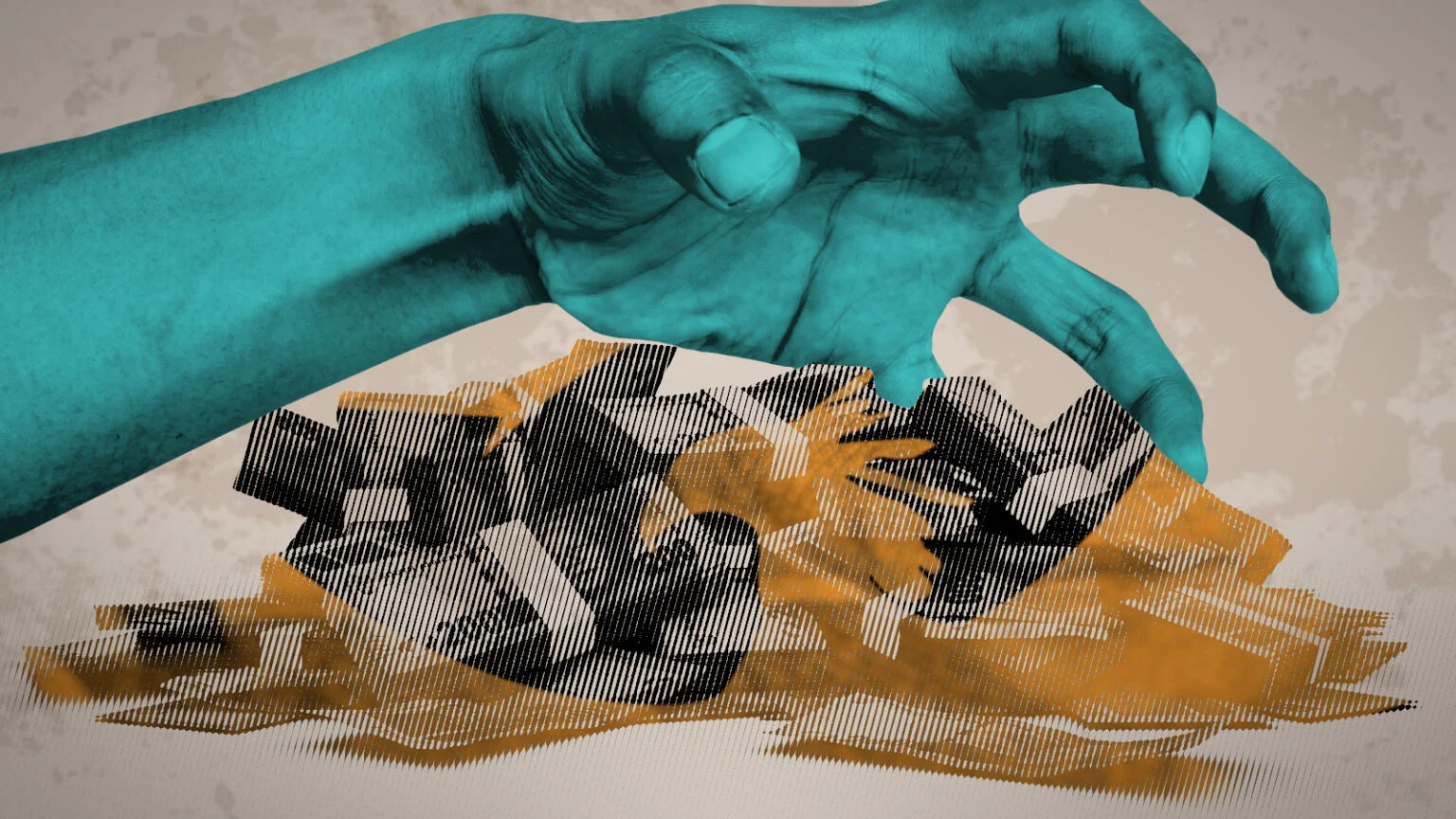
While public fear focuses on visible violent crime, experts warn that the organized crime economy in South Africa endures largely because of a hidden, “grey layer” of professional support.
The stability and resilience of criminal groups rely on professional enablers ,including lawyers, accountants, logistics firms, security providers, and real estate companies ,who quietly supply the “logistical and operational lifeblood” that allows these networks to thrive.
A major new proposal identifies a critical gap in the current legal framework, arguing that the existing Prevention of Organised Crime Act (POCA) was designed primarily to dismantle the core ranks of criminal entities but falls short of reaching these shadowy facilitators. These enablers often deliberately distance themselves from the inner workings of criminal organizations, choosing profit over principle and remaining “wilfully ignorant” of the specific criminal plans they empower.
The legislative gap must be closed now, especially in light of the State Capture Commission’s findings, which exposed how professional facilitators “greased the wheels of high-level corruption”. Drawing on comparative law from nations such as Australia, the U.K., Canada, and the United States, proposed legislative amendments seek to criminalise individuals who knowingly bolster the organizational capacity of criminal groups. These reforms are seen as essential to disrupting the complicit supply chains that sustain organized crime while protecting legitimate commerce.
The Human and Economic Toll
The urgency of this security crisis is undeniable when reviewing the devastating toll of violence:
• Sexual Offences Spike: Between 2020/21 and 2024/25, the estimated number of sexual offenses reported in household crime surveys shockingly spiked from 25,000 cases to 73,000 cases.
• Widespread Attacks: In just one quarter (April to June), official police statistics recorded more than 6,000 murders and 9,000 rapes. Furthermore, nearly 846,000 people fell victim to theft of personal property, and an estimated 983,000 households were victims of housebreaking in the past year.
• Unreported Crime: Many cases go unreported due to deep mistrust of the South African Police Service (SAPS), suggesting the true scale of violence and insecurity is even greater than official statistics show.
This pervasive violence comes with an immense economic cost: the economic impact of violence in South Africa is equivalent to 15.38% of its Gross Domestic Product (GDP).
Local Mayhem: Murder Hotspots Revealed
South Africa’s reputation for violent crime is reinforced by international city rankings. According to the South African Cities Network report, based on 2022/23 data, major metropolitan municipalities face murder rates drastically higher than the national average:
• Nelson Mandela Bay recorded the highest rate at 103 murders per 100,000 people.
• eThekwini followed at 76 per 100,000.
• Msunduzi stood at 69 per 100,000.
• Cape Town ranked fourth, with a murder rate of 68 per 100,000.
As the State Capture Commission and the ongoing Madlanga Commission (probing claims of criminal syndicate infiltration into state institutions) reveal the depth of corruption and instability, policymakers, practitioners, and civil society are being urged to consider targeted reforms. The need to fortify organized crime laws against the professional enablers is seen as an imperative to root out complicit profiteers and strengthen South Africa’s resilience against crime










Leave a Reply