
Navigating South Africa’s Shifting Economy
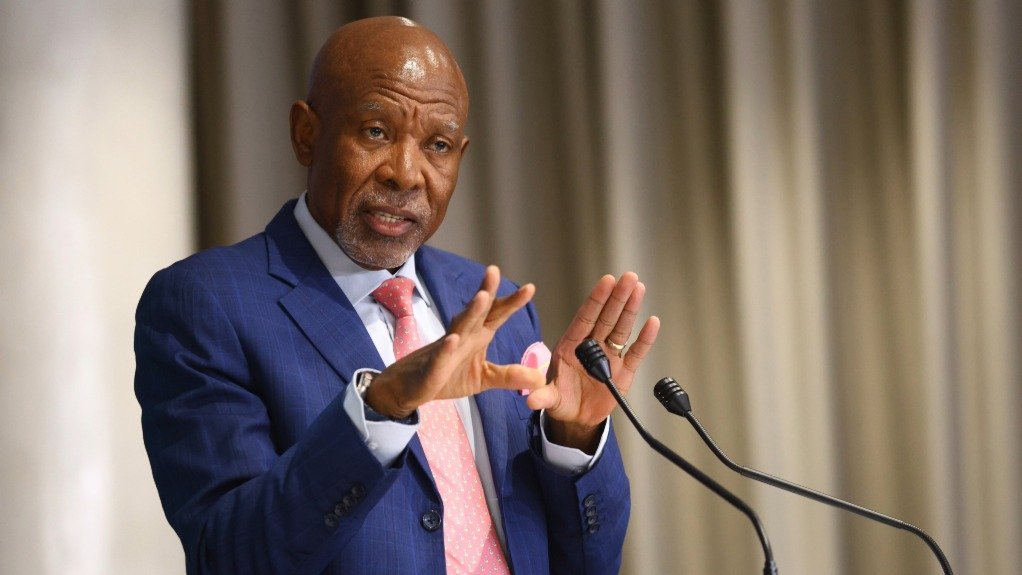
South Africans are facing a wave of economic changes in 2026, from rising borrowing costs to a brand-new inflation target. For the first time since 2023, the South African Reserve Bank (SARB) has raised its key interest rate.
At the same time, the government has announced a bold new strategy to keep price increases under control over the long term. If you are wondering why your loan repayments are going up and what the central bank is doing about it, you are not alone.
Understanding these updates is crucial for managing your personal finances. Let us break down exactly what is happening in simple terms.
Why Did the Reserve Bank Hike Interest Rates?
On May 28, 2026, the SARB increased the repo rate by 25 basis points to 7%. This pushes the prime lending rate the rate banks use to lend to consumers up to 10.50%.
The main reason for this hike is the ongoing conflict in the Middle East, specifically the US-Iran war. This conflict has disrupted global supply chains, causing a massive spike in the prices of crude oil, refined petroleum, and fertilizers.
Because South Africa is a net importer of oil, these global shocks quickly translated into higher fuel prices at local pumps. As a result, headline inflation jumped to 4% in April 2026, up from 3.1% in March.
The Reserve Bank is particularly worried about what economists call “second-round effects”. This happens when:
- High fuel prices cause transportation costs to rise.
- Farmers pay more for diesel and fertilizer, leading to higher food prices.
- Workers demand higher wages to keep up with the cost of living, forcing businesses to raise prices further to protect their profits.
Historical data shows that in South Africa, these food and energy price shocks do not just fade away; they tend to permanently embed themselves into core inflation within a year. By raising interest rates, the SARB is trying to stop this dangerous price spiral before it gets worse.
The New 3% Inflation Target Explained
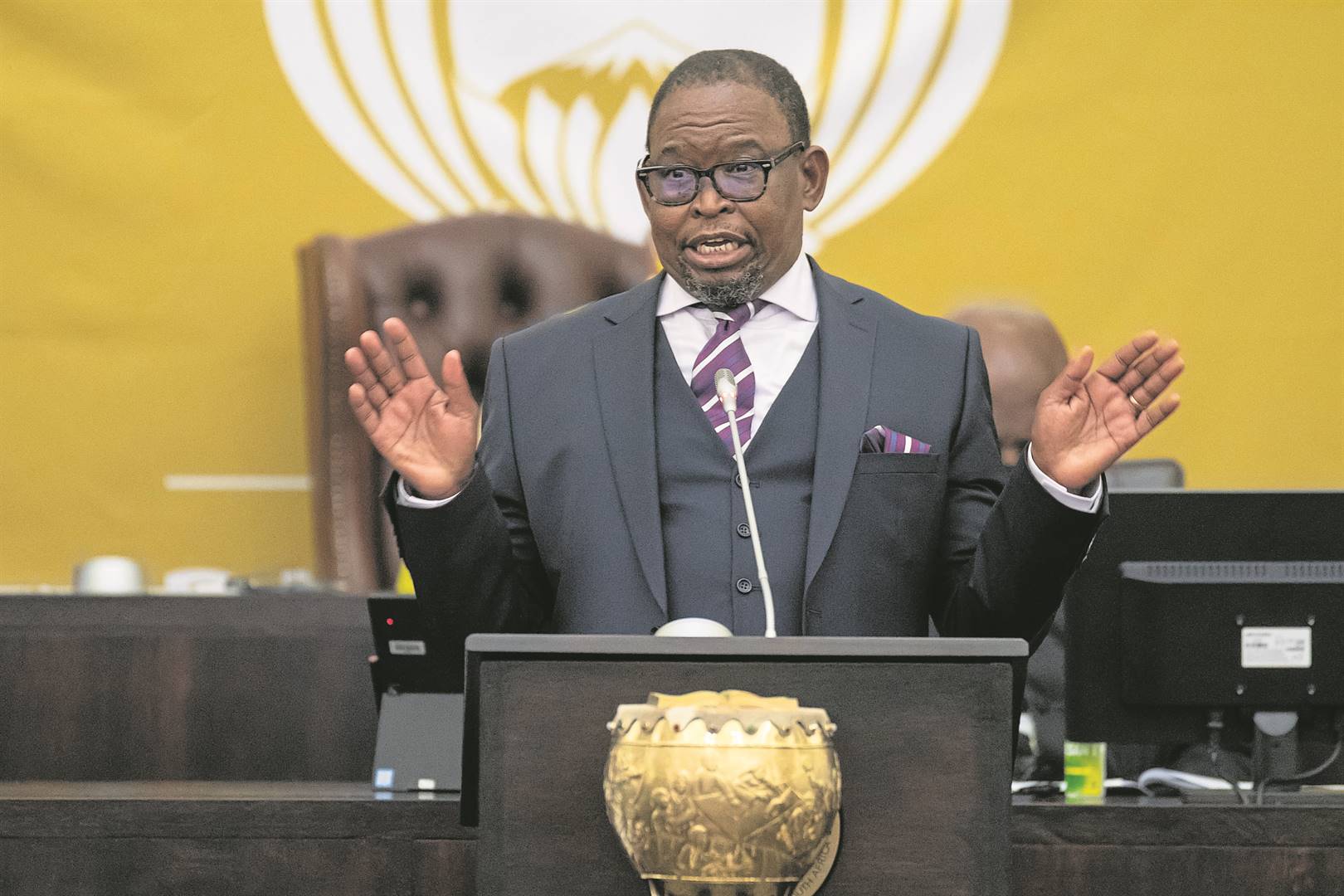
In a major policy shift, the Minister of Finance and the SARB Governor agreed to establish a new inflation target of exactly 3%, with a 1 percentage point tolerance band.
This new rule immediately replaces the old target range of 3% to 6%, which had been in place for years. The goal is to phase this new target in over the next two years.
Why make this change now?
- Aligning with global standards: Many of South Africa’s emerging market peers, like Brazil, China, and Mexico, already target inflation around 3%.
- Lowering future interest rates: By forcing inflation down to 3%, the Reserve Bank believes it can sustainably lower interest rates in the long run.
- Boosting the economy: Cheaper borrowing costs will eventually encourage businesses to invest and create jobs, while protecting the purchasing power of ordinary citizens.
Government Interventions to Ease the Pain
The government knows that consumers and businesses are struggling. In fact, business confidence in South Africa recently dropped to its lowest level since 2025, largely due to the high costs associated with the Iran war.
To provide some immediate relief, the National Treasury stepped in to help with fuel costs. They announced:
- An extension of the R3 per litre reduction in the general fuel levy for petrol until early June 2026.
- A temporary reduction of the diesel fuel levy to zero during the worst of the price shocks.
- A gradual phase-out of this relief throughout June, before taxes return to normal in July 2026.
This temporary tax break aims to shield households from the worst impacts of global oil spikes.
The Road Ahead: What Needs to Happen Next?
While the Reserve Bank can control interest rates, they cannot fix the economy alone. For the new 3% inflation target to actually work, the broader government must play its part.
Economic analysts and political groups, such as the Democratic Alliance (DA), warn that this new target requires strict fiscal discipline.
For South Africa to truly benefit, the government must:
- Control public spending and avoid bailing out failing state-owned enterprises without strict reforms.
- Keep public sector wage increases in line with inflation.
- Reform administered prices, like electricity and transport tariffs, to prevent them from driving up inflation.
If the government and the Reserve Bank work together, this new strategy could lead to a stronger Rand, cheaper loans, and a much healthier economy for all South Africans.








Leave a Reply