
Understanding the 2026 EU Carbon Tax
On January 1, 2026, the European Union’s Carbon Border Adjustment Mechanism (CBAM) shifted from a data-gathering exercise to a strict financial obligation. This system acts as a carbon border tax on imports entering the EU.
Its goal is to prevent “carbon leakage,” which happens when European companies move production to countries with weaker climate laws. To level the playing field, the EU now requires importers to buy CBAM certificates based on the greenhouse gas emissions embedded in their imported goods.
The price of these certificates is tied to the EU Emissions Trading System (EU ETS), which currently sits at a steep €70 to €100 per tonne of carbon dioxide.
For South African businesses, this is a massive wake-up call. Exporters who rely on carbon-intensive manufacturing will now face significantly higher costs to sell their products in the European market.
Why South Africa is Highly Exposed
South Africa is exceptionally vulnerable to this new tax. In 2023, the country’s CBAM-covered exports to the EU were valued at a massive €1.1 billion.
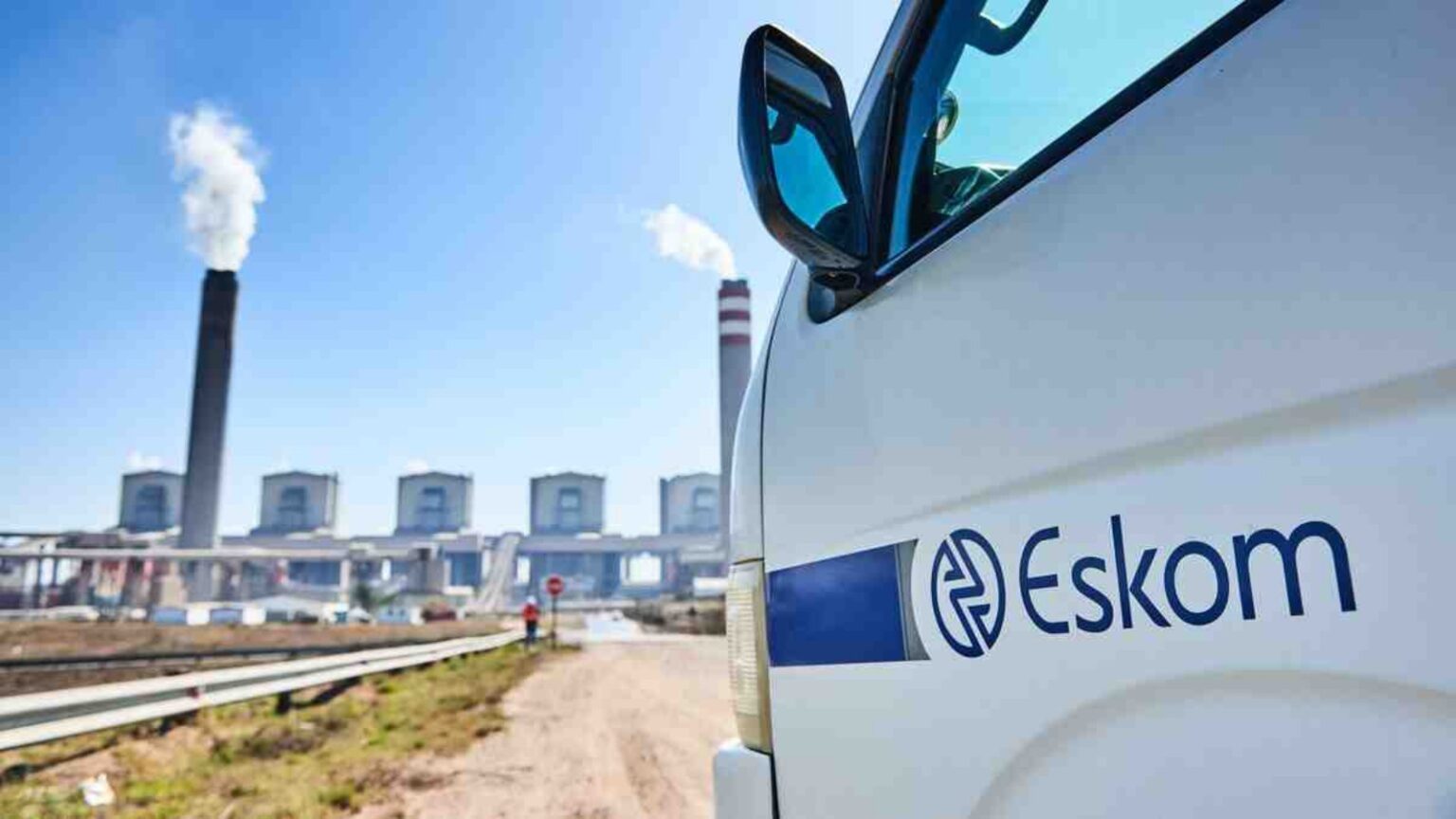
The primary problem is South Africa’s heavy reliance on coal. Because roughly 80% of the country’s electricity comes from Eskom’s coal-fired power stations, local manufacturing carries a massive carbon footprint.
For example, producing a tonne of aluminium in South Africa generates about 18 tonnes of carbon emissions. In contrast, the EU average is just 6.6 tonnes due to their use of hydropower and nuclear energy.
Because South Africa’s effective domestic carbon tax is incredibly low,often less than $3 per tonne after exemptions—exporters cannot claim meaningful deductions against the heavy EU tax.
New Expansions: Downstream Goods Under Fire
Initially, the CBAM only targeted basic raw materials like iron, steel, aluminium, cement, fertilisers, electricity, and hydrogen. However, the rules are rapidly expanding.
In December 2025, the European Commission proposed adding roughly 180 downstream products to the CBAM list. This directly targets goods that contain significant amounts of steel and aluminium.
- Vehicle components and car doors.
- Domestic appliances and electrical equipment.
- Construction equipment and hardware.
- Industrial machinery and motors.
This expansion is highly concerning for South Africa’s automotive component manufacturing industry. The EU is the largest export market for this sector, and a large share of these exports are traditional internal combustion engine parts.
The Looming Threat of Indirect Emissions
Currently, the CBAM rules for South African steel and aluminium only tax direct emissions (Scope 1) the emissions generated directly at the factory.
However, a major review is scheduled for 2027. The EU may decide to include indirect emissions (Scope 2) for these metals, which would factor in the electricity used during production.
If Eskom’s coal-dominated electricity is added to the tax calculation, South African exporters could see their carbon costs skyrocket. Companies relying on grid electricity will face a severe competitive disadvantage compared to international rivals using green energy.
How South African Businesses Can Survive and Thrive
While the CBAM presents a serious threat, it also creates opportunities for businesses that are willing to innovate. Decarbonization is no longer just an environmental goal; it is a strict business necessity.
Here are the most effective strategies South African businesses are using to adapt:
1. Shift to High-Quality Recycled Materials
Using recycled metals is one of the fastest ways to slash carbon costs.
- Massive Carbon Reductions: Recycled aluminium produces just 0.52 tonnes of CO2 per tonne, compared to 18 tonnes for coal-powered primary aluminium.
- Cost Savings: This 95% reduction in embedded carbon means EU importers need to buy 95% fewer CBAM certificates, making your products much cheaper and more attractive.
- Premium Scrap Pricing: Clean, well-sorted aluminium scrap is now highly valuable, creating a booming market for local recycling yards.
2. Procure Renewable Energy
Moving away from Eskom’s grid is critical to lowering your factory’s overall carbon intensity.
- Wheeling Contracts: Businesses can enter agreements with Independent Power Producers (IPPs) to “wheel” wind or solar energy across the national grid to their facilities.
- Energy Platforms: Rather than relying on a single solar or wind plant, some businesses use renewable energy product platforms. These platforms pool solar and wind resources, offering up to 90% renewable energy coverage regardless of the time of day.
3. Government and Fiscal Pushback
At the national level, the South African government and local industry bodies are actively fighting for fairer terms.
- WTO Disputes: South Africa is exploring dispute resolution through the World Trade Organization (WTO), arguing that the EU is using “green protectionism” to unfairly punish developing nations.
- Domestic Tax Reforms: The National Treasury is considering raising the local carbon tax while creating a “decarbonization fund”. This would keep tax revenues inside South Africa to help local factories fund their green energy upgrades, rather than losing that money to Europe.






Leave a Reply