
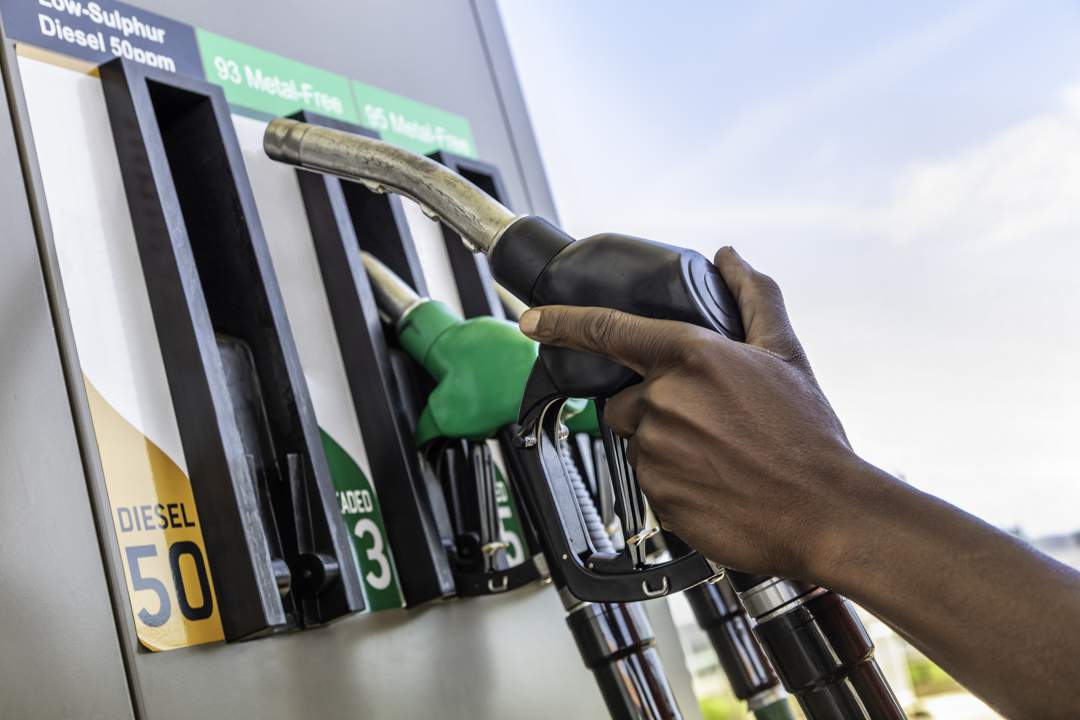
The Official June 2026 Fuel Price Changes
Motorists tracking the South African fuel landscape are facing a mixed bag of news for June 2026. After several months of steep price hikes, the Department of Mineral and Petroleum Resources has announced the official fuel price adjustments that took effect on Wednesday, 3 June 2026.
If you drive a diesel vehicle, substantial relief is finally here. However, if you rely on petrol, you will need to dig a little deeper into your pockets to cover a new price hike.
What You Will Pay at the Pumps
Here are the official fuel price changes for June 2026:
- Petrol 93: Expected increase of R1.43 per litre.
- Petrol 95: Expected increase of R1.43 per litre.
- Diesel 0.05%: Expected decrease of R3.25 per litre.
- Diesel 0.005%: Expected decrease of R2.62 per litre.
- Illuminating Paraffin: Expected decrease of R5.96 per litre.
Why is Petrol Going Up While Diesel Drops?
Understanding this month’s confusing fuel prices requires looking at two opposing forces. We have a massive crash in international oil prices fighting against the rollback of government tax relief.
The Good News: Global Oil Prices Fall
For most of May, the global energy market was in shock due to the ongoing conflict between the US and Iran, which kept oil prices above $100 a barrel. Fortunately, a tentative 60-day ceasefire agreement gave markets hope that vital shipping lanes would reopen.
This caused global oil prices to tumble down to roughly $92 a barrel by the end of the month. Because of this massive drop, combined with a slightly stronger Rand, South Africa generated a large “over-recovery” (market savings) on imported fuel. Diesel achieved an astonishing over-recovery of roughly R5.00 per litre.
The Bad News: Fuel Taxes Return
While the international market brought prices down, local taxes are pushing them right back up. In April, the National Treasury slashed the General Fuel Levy to protect consumers from high prices.
Now, this emergency intervention is phasing out. Starting in June, 50% of that tax relief is being added back to the price of fuel.
- Petrol taxes are increasing by R1.50 per litre.
- Diesel taxes are increasing by R1.96 to R1.97 per litre.
- The Slate Levy is also increasing by 35 cents to 157.74 cents per litre to help reimburse oil companies.
The final math is simple: For diesel, the massive market savings of over R5.00 per litre completely swallowed the returning taxes, resulting in a spectacular net price drop. For petrol, the market savings were just too small, meaning the returning R1.50 tax pushed the final price into an increase.
How High Prices Are Changing South African Driving Habits
The ongoing fuel price pressure is taking a heavy toll on household budgets, and South Africans are actively changing how they commute.
Motorists Are Buying Less Fuel
According to recent data from Discovery Insure, South Africans are actively scaling back. Compared to the start of the year, motorists bought 23% less fuel and made 17% fewer fuel transactions in May.
Motorists have also reduced their overall driving by 9%. Interestingly, the data reveals specific trends in who is cutting back the most:
- Diesel drivers cut back the most, driving 10.9% less.
- Western Cape motorists recorded the largest reduction in travel across the country, dropping their distance travelled by 15%.
- Younger drivers (aged 20 to 30) reduced their driving the least (only 6.8%), likely because they have fewer alternatives for commuting to work.
What to Expect in July
While diesel drivers can celebrate temporary relief this winter, all motorists must prepare for a tough July.
The National Treasury has confirmed that the remaining 50% of the temporary fuel levy relief will officially expire on 1 July 2026. Unless global oil prices drop aggressively throughout June, July is highly likely to bring another heavy, tax-driven price hike to South African pumps.










Leave a Reply