
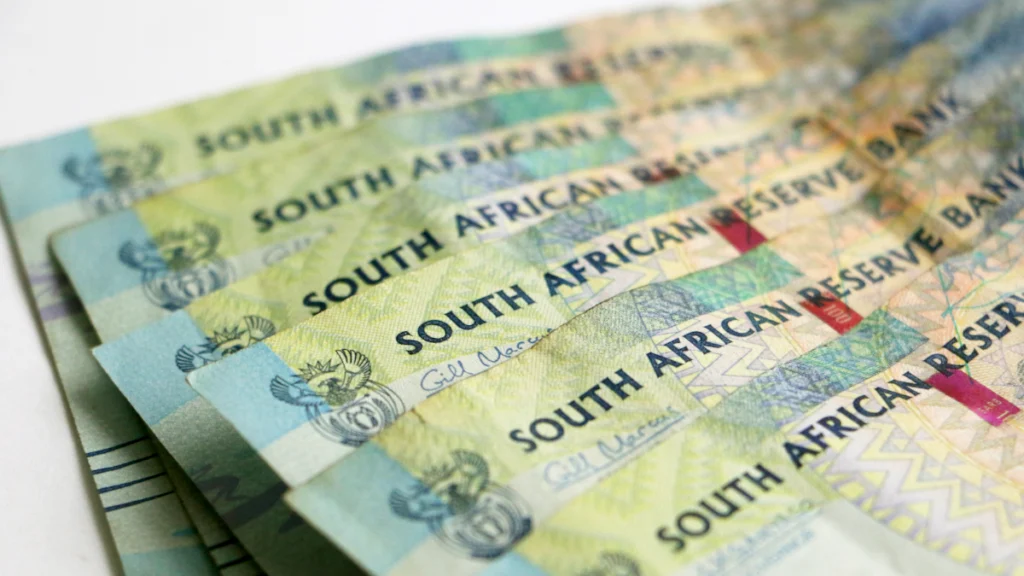
The 2026 Economic Shock: What Is Happening in South Africa?
The South African Reserve Bank (SARB) recently delivered a tough blow to consumers by hiking the repo rate by 25 basis points to 7.00% in May 2026.
This decision comes as the global economic landscape rapidly deteriorates, primarily due to the ongoing 2026 war in the Middle East. The conflict has disrupted the Strait of Hormuz, cutting off major global oil and gas supplies and sending shockwaves through the global economy.
As a result, South Africa’s headline inflation rate climbed to 4.0% in April 2026, hitting its highest level since August 2024. This marks a painful combination of higher global uncertainty and reduced disposable income for everyday citizens.
How Skyrocketing Fuel Prices Are Driving Inflation
The biggest driver of South Africa’s current inflation spike is the massive increase in global energy costs.
With global oil prices soaring near $100 per barrel, local fuel prices have skyrocketed. In April 2026, Producer Price Inflation (PPI) unexpectedly jumped to 4.8%, heavily driven by petrol prices rising 8.6% and diesel prices surging by a staggering 33.8% year-on-year.
Economist Elize Kruger estimates that fuel prices could ultimately increase cumulatively by about R7.20 per litre for petrol and almost R14 per litre for diesel over a three-month period.
These rising transport costs are already bleeding into other sectors. The SARB warned that the agricultural sector faces higher costs for both diesel and fertiliser, which will put renewed upward pressure on food prices and further burden consumers.
Will Interest Rates Keep Going Up?
Many South Africans are wondering if the financial pain will stop soon. Unfortunately, another interest rate hike could be on the horizon.
Investec Chief Economist Annabel Bishop notes that following the SARB’s preemptive 25 basis point hike, there is a meaningful chance of another rate hike in July 2026 to help lower inflation.
The SARB’s inflation forecast for 2026 has been adjusted upwards to 4.4%, making the central bank’s goal of reaching its newly established 3% inflation target much harder. In a worst-case scenario, where the war lasts over a year and oil prices stay high, inflation could exceed 6%, potentially requiring three additional rate hikes.
Here is a look at the projected Repo Rate path according to Investec’s baseline expectations:
| Meeting Date | Projected Repo Rate | Real Repo (Repo minus inflation) |
|---|---|---|
| May 2026 | 7.00% | 2.6% |
| July 2026 | 7.00% | 3.0% |
| September 2026 | 7.00% | 2.5% |
| November 2026 | 7.00% | 2.2% |
| January 2027 | 6.75% | 2.2% |
| March 2027 | 6.75% | 2.4% |
Data sourced from Investec Baseline Expectations.
The Severe Impact on South African Salaries
This perfect economic storm is creating the biggest financial blow to South Africans in two years.
According to the PayInc Net Salary Index, the average nominal net salary dropped to R21,228 in April 2026. When adjusted for inflation, real salaries have plummeted to just R20,244, marking the lowest level recorded in the past two years.
Households are being squeezed from multiple angles. Slowing salary growth, rising debt repayment costs, and skyrocketing fuel and food prices are significantly extending the country’s cost-of-living crisis.
Frequently Asked Questions (FAQs)
- Why did the SARB hike interest rates in May 2026? The SARB hiked the repo rate to 7.00% to combat rising inflation driven by a massive global oil price shock and the Middle East conflict.
- When will interest rates go down? Current projections suggest that the repo rate might remain at 7.00% throughout most of 2026, with potential rate cuts only beginning in late 2026 or early 2027 if inflation cools.
- How high will petrol and diesel go? Due to the global crisis, analysts predict petrol could increase cumulatively by up to R7.20 per litre and diesel by almost R14 per litre over a short period.





Leave a Reply