
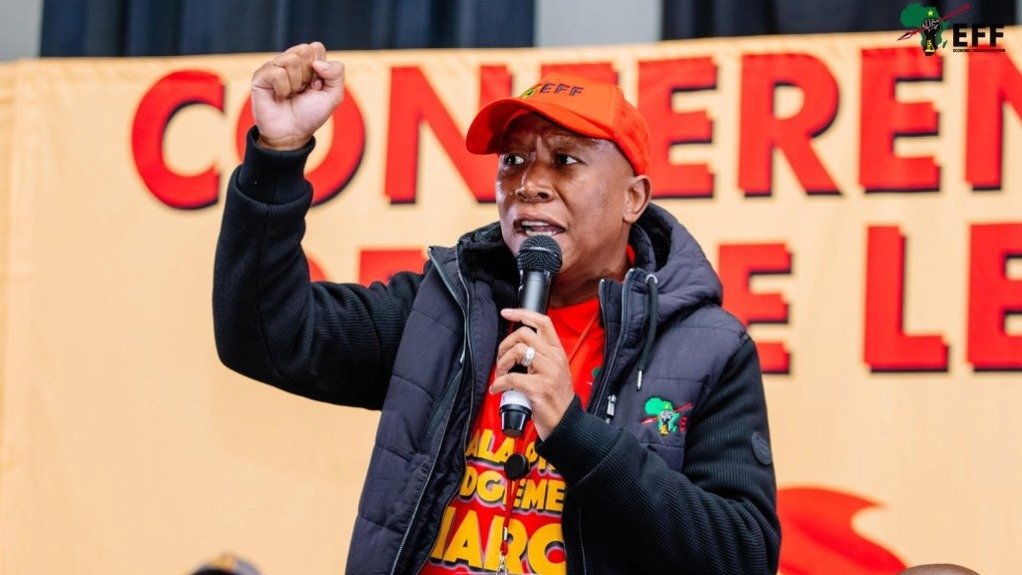
The Historic ‘Conference of the Left’ in Boksburg
In a major political shift, South African leaders from prominent left-wing organisations recently gathered in Boksburg for a highly anticipated three-day ‘Conference of the Left’. This gathering was convened by the South African Communist Party (SACP).
The conference brought together heavyweights such as Solly Mapaila (SACP General Secretary), Julius Malema (EFF Leader), and Tony Yengeni (MK Party Second Deputy President). Their shared goal is to end the disorganisation among left-leaning parties and chart a unified path forward.
This historic event is seen as an urgent platform to rebuild progressive unity and restore a revolutionary mission for economic and social transformation.
Why Are Leftist Parties Uniting Now?
The push for a unified left comes in the wake of the 2024 national and provincial elections, which drastically altered South Africa’s political landscape. For the first time since 1994, the African National Congress (ANC) lost its electoral majority, securing only 40.2% of the vote.
In response, the ANC formed a Government of National Unity (GNU) with former opposition parties, including the Democratic Alliance (DA) and the Freedom Front Plus (FF Plus).
Left-wing leaders fiercely reject this coalition. Tony Yengeni accused the DA and FF Plus of trying to “reverse the gains of democracy” and protect colonial-era privilege. The SACP and its allies view the GNU as a rightward, neoliberal drift that prioritises market stability over the needs of the working class.
The Rejection of the ‘National Dialogue’
The new left alliance is also highly critical of the upcoming “National Dialogue” and “National Convention”. This dialogue is being organized by the South African government alongside foundations like the Thabo Mbeki Foundation and the FW De Klerk Foundation.
The government claims this dialogue will help shape a 30-year plan for the country’s future. However, left-wing working-class organisations argue that participating in this dialogue is a trap.
They believe it is simply a political manoeuvre designed to restore the ANC’s damaged image and legitimize the pro-capitalist agenda of the GNU. They argue that the masses should not have to wait another 30 years for basic improvements to their lives when the ruling class already has the resources to build houses and provide decent jobs today.
What Does the New Left Propose?
The core focus of this newly united left front is to completely restructure South Africa’s economy. They argue that the 1994 democratic settlement secured political rights but failed to transfer economic power to the majority.
To fix this, the left is proposing a series of radical, state-led interventions:
- Total Economic Ownership: The black majority must own and control the commanding heights of the economy, including banks, mines, farms, and factories.
- State-Led Industrialisation: The government must actively intervene to rebuild local industries, create sustainable jobs, and move away from relying purely on the private sector and foreign investors.
- Land Expropriation: A non-negotiable demand for the expropriation of land without compensation, placing land under the custodianship of the state to be redistributed for productive use.
- Insourcing of Workers: Abolishing the tender system and permanently insourcing critical workers, such as security guards and cleaners, across all government entities.
- Accessible Healthcare and Education: Establishing 24-hour clinics in every ward and providing fee-free, decolonized higher education while cancelling existing student debt.
Inspiration from Global Allies
To counter global capitalism and imperialism, the left alliance is looking abroad for inspiration. Leaders at the conference heavily emphasized the importance of Pan-African solidarity and aligning with global socialist movements.
Julius Malema specifically highlighted Cuba and Venezuela as prime examples of resilience. He praised Cuba for achieving incredible healthcare and literacy outcomes despite decades of US blockades.
These nations are celebrated by the South African left because they refused to surrender their national sovereignty to global capital, choosing instead to prioritize the collective social needs of their people above corporate profit.
A New Era in South African Politics?
As South Africa navigates this unprecedented era of coalition politics, the unity of the EFF, SACP, MK Party, and various trade unions represents a formidable challenge to the ANC-DA government.
By pushing for state-led development, economic redistribution, and the dismantling of neo-colonial structures, this new leftist front aims to achieve true economic freedom and social justice for the working class. Only time will tell if this alliance can successfully reshape the future of the nation.









Leave a Reply