
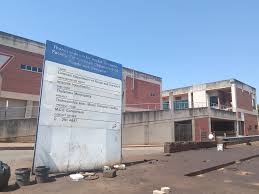
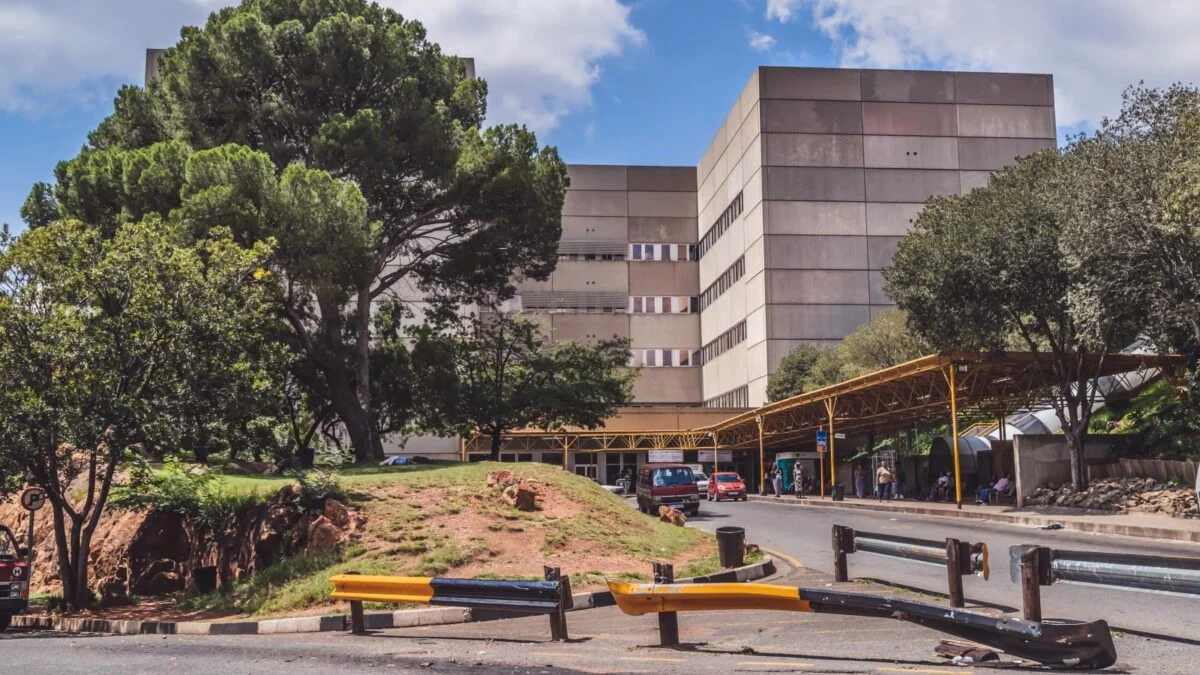
Fourteen years after breaking ground, the Thohoyandou intermodal taxi facility in Limpopo stands as a colossal monument to municipal inefficiency, having consumed over R300 million of taxpayer money without welcoming a single commuter. Despite recent promises from the provincial government to renovate and finally open the site, safety fears and construction delays continue to plague the project, leaving residents and taxi operators sceptical about its future.
A Legacy of Delays and Ballooning Costs
Construction on the state-of-the-art facility began in June 2011 with high hopes of stimulating economic growth and improving public transport access in the Vhembe District. The project, which was designed to include a retail and office block alongside the taxi rank, was initially budget-bound but quickly spiralled out of control. While the building reached what was termed practical completion in 2013, the costs had already exceeded R256 million.
As of late 2025, the total expenditure on the facility has risen significantly. Reports indicate the bill has climbed to between R311 million and R325 million. Despite this massive investment, the facility remains non-operational, surrounded by overgrown bushes and dilapidated fencing.
Structural Defects and Safety Hazards
The primary reason for the decade-long delay lies in severe structural failures identified shortly after the initial construction concluded. By 2014, structural engineers assessed the building and discovered cracks in concrete slabs, overloaded pile foundations, and inadequate reinforcement in the concrete elements. These defects rendered the multi-story building non-compliant with safety design codes.
Although remedial work costing approximately R25.2 million was undertaken between 2017 and 2018, the structure remained closed to the public. Local business owners and taxi operators have expressed fear that the building is a disaster waiting to happen. Mulalo Mugeri, a local business owner, noted that visible cracks make the building appear unsafe, while taxi driver Melvin Mathebula stated he would not risk his life or the lives of commuters until clear evidence of safety is provided.
New Promises Amidst Old Failures
In October 2025, Limpopo Premier Dr Phophi Ramathuba announced a new injection of funds to salvage the project. An additional R47 million to R50 million has been allocated to renovate the structure and repair the persistent cracks. The provincial government appointed a new contractor with a mandate to complete the work within eight months, promising a usable facility by the following year.
However, site visits conducted in early December 2025 revealed no sign of work commencing, raising doubts about the feasibility of the new timeline. The Vhembe region of the South African National Taxi Council (SANTACO) has stated they are not encouraged by the renovation plans and will refuse to move their operations to the new rank without absolute assurances of safety.
The Root Causes of Municipal Failure
The saga of the Thohoyandou taxi rank is symptomatic of broader governance issues plaguing the region. Academic research into municipal project failures in the Vhembe District identifies poor planning, inadequate monitoring, and the selection of inexperienced project managers as primary culprits. Furthermore, political interference and high levels of corruption were ranked as the top factors contributing to such infrastructure collapses.
The Auditor-General of South Africa (AGSA) has repeatedly flagged these issues, noting that a significant percentage of municipal projects in the region fail to meet their targets due to delays, poor financial management, and a lack of accountability for project outcomes. In the Vhembe District specifically, unauthorized expenditure and poor contract management have been recurrent themes.
Impact on the Community
While the multi-million rand structure sits empty, the community continues to suffer. Commuters and drivers are forced to use the makeshift Mvusuludzo taxi rank, which is small, overcrowded, and lacks proper amenities. The failure to open the new facility has also deprived the local economy of the retail opportunities and social cohesion the project was intended to foster.
Premier Ramathuba has recently lashed out at the provincial government for these infrastructure failures, emphasizing that poor planning and a lack of consequence management are eroding public trust. She has called for urgent reform, citing that continued project failures cost lives and stall economic progress.
As the 2026 deadline for the latest renovation attempt approaches, the residents of Thohoyandou wait to see if this “white elephant” will finally serve its purpose or continue to stand as a costly symbol of broken promises.







Leave a Reply