

The sanctity of the classroom is crumbling in South Africa as a wave of violence targets both educators and learners, turning places of learning into sites of fear. Recent tragic events, including the fatal shooting of a deputy principal in Stellenbosch and a double murder at a primary school in Tembisa, have prompted unions and civil society to declare that the nation’s teachers are under siege.
A Crisis in the Classroom
The education community was left reeling following the murder of Mlamli Matshingana, a 54-year-old deputy principal at Khayamandi Primary School in Stellenbosch. Matshingana was shot on school premises in what officials described as a targeted attack after learners had been dismissed for the day. This incident is not isolated. In Tembisa, a double murder occurred at Ingleweni Primary, further highlighting the vulnerability of school staff.
Basil Manuel, the Executive Director of the National Professional Teachers’ Organisation of South Africa (NAPTOSA), has expressed deep concern regarding this escalation. He noted that while schools in areas with high community violence have always faced challenges, the recent targeted murders are shocking. Manuel emphasized that teachers are effectively under siege, with the level of violence requiring serious and immediate attention.
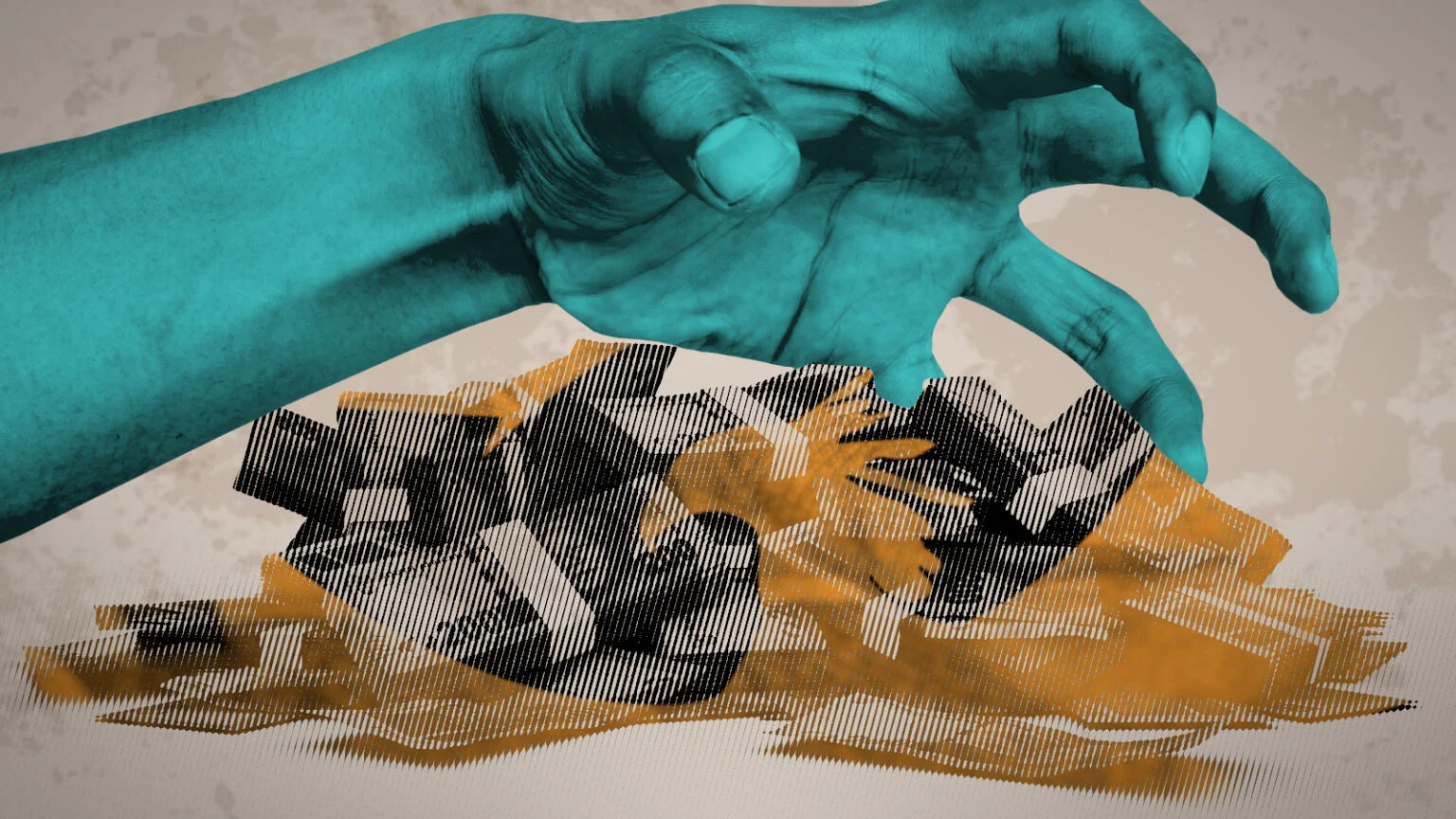
The motivations behind these attacks vary. While general criminality plays a role, there are disturbing reports suggesting that some violence is linked to the selling of teaching posts. Manuel highlighted instances where individuals may be eliminating opposition to secure employment, or where violence stems from attempts to cover up financial mismanagement and losses within schools.
Discipline and Student-Teacher Conflict
Beyond targeted assassinations, daily disciplinary breakdowns are putting educators at risk. A widely circulated video of a fight between a teacher and a pupil at Glenvista High School in Johannesburg sparked public outcry. NAPTOSA noted that this incident was symptomatic of a larger breakdown in discipline. Manuel pointed out the disparity in consequences, noting that while teachers often face severe repercussions for losing their composure, learners frequently return to class shortly after violent outbursts.
In the Glenvista incident, footage reportedly showed a student trading punches and throwing furniture at a teacher. Manuel argued that this level of extreme provocation, often defended by parents, undermines the ability of schools to enforce discipline and maintain safety.
A Dangerous Environment for Learners
The violence is not unidirectional; learners are heavily impacted by unsafe school environments. Data from the 2022 School Monitoring Survey revealed that secondary schools are particularly dangerous. While 73 percent of primary schools reported no incidents of learners carrying weapons, only 42 percent of secondary schools could say the same. Furthermore, incidents requiring police intervention were significantly higher in secondary schools compared to primary institutions.
Geographically, the Western Cape and Gauteng have shown relatively high rates of learner-initiated violence, such as bringing weapons to school. Gangsterism also remains a profound issue. In areas like the Cape Flats, gang violence is tightly connected to rates of murder and attempted murder, with schools often caught in the crossfire of turf wars.
Sexual Violence and Harassment
A pervasive and deeply troubling aspect of school violence in South Africa is sexual abuse. Human Rights Watch has documented that girls are subjected to rape, sexual assault, and harassment by both male classmates and teachers. These attacks occur in toilets, empty classrooms, and hostels.
The dynamic of abuse by educators is particularly damaging. There are reports of teachers using their authority to coerce girls into sexual relationships, sometimes promising better grades or money in exchange for sex. In impoverished areas, this exploitation of economic vulnerability is especially acute. Furthermore, a dangerous myth persists in some communities that having sex with a virgin can cure HIV/AIDS, which places young girls at an increased risk of targeted sexual violence.
Despite the severity of these offenses, schools have been criticized for shielding perpetrators to protect their reputations. Victims who report abuse often face hostility, ridicule, and a lack of support from school administrators, leading many to drop out of the education system entirely.
Government and Institutional Response
The Department of Basic Education (DBE) and various organizations are attempting to stem the tide of violence. The National School Safety Framework (NSSF) was developed to guide schools in managing safety incidents and maintaining violence-free environments. Additionally, the South African Council for Educators (SACE) has published a handbook on teacher safety and security to help educators understand their rights and protective measures.
Statistically, there are some signs of improvement in specific areas. The General Household Survey indicated that the overall percentage of learners experiencing violence dropped from nearly 20 percent in 2011 to about 10 percent in 2019. However, corporal punishment remains a stubborn issue. Despite being illegal, it is still the most frequently reported form of violence against learners, with high prevalence in the Eastern Cape, North West, and KwaZulu-Natal provinces.
The Path Forward
The consensus among stakeholders is that the current situation is unsustainable. NAPTOSA has called for targeted protection for schools deemed high-risk and for more visible police action to deter criminals. However, placing security guards or police at every one of the thousands of schools in the country is viewed as logistically impossible.
Addressing the crisis requires a multi-faceted approach that includes better enforcement of existing laws, community collaboration, and a distinct shift in how disciplinary and criminal matters are handled within the education sector. Until schools can be secured against both external criminal syndicates and internal disciplinary collapse, the right to a safe education for South Africa’s youth remains compromised.








Leave a Reply