
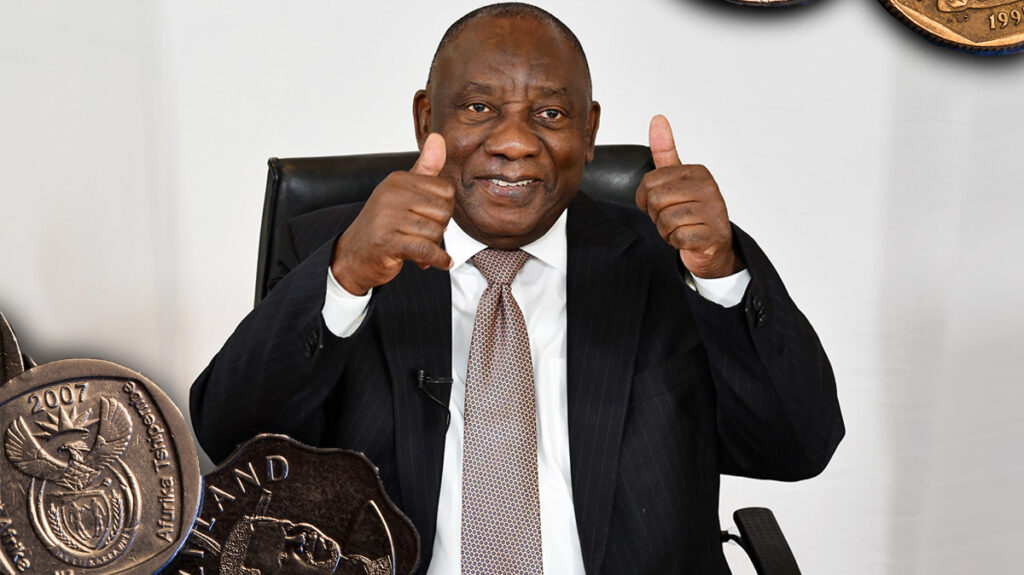
South Africa is ending 2025 on a significantly stronger economic footing following a series of major fiscal and monetary developments. In a landmark shift for the country’s financial framework, the National Treasury and the South African Reserve Bank (SARB) have announced a new inflation target of 3%, coinciding with a credit rating upgrade from S&P Global Ratings and the country’s official removal from the Financial Action Task Force (FATF) grey list.
These events mark a potential turning point for Africa’s most industrialized economy, which has grappled with low growth and infrastructure challenges for years.
New Inflation Target to Lower Living Costs
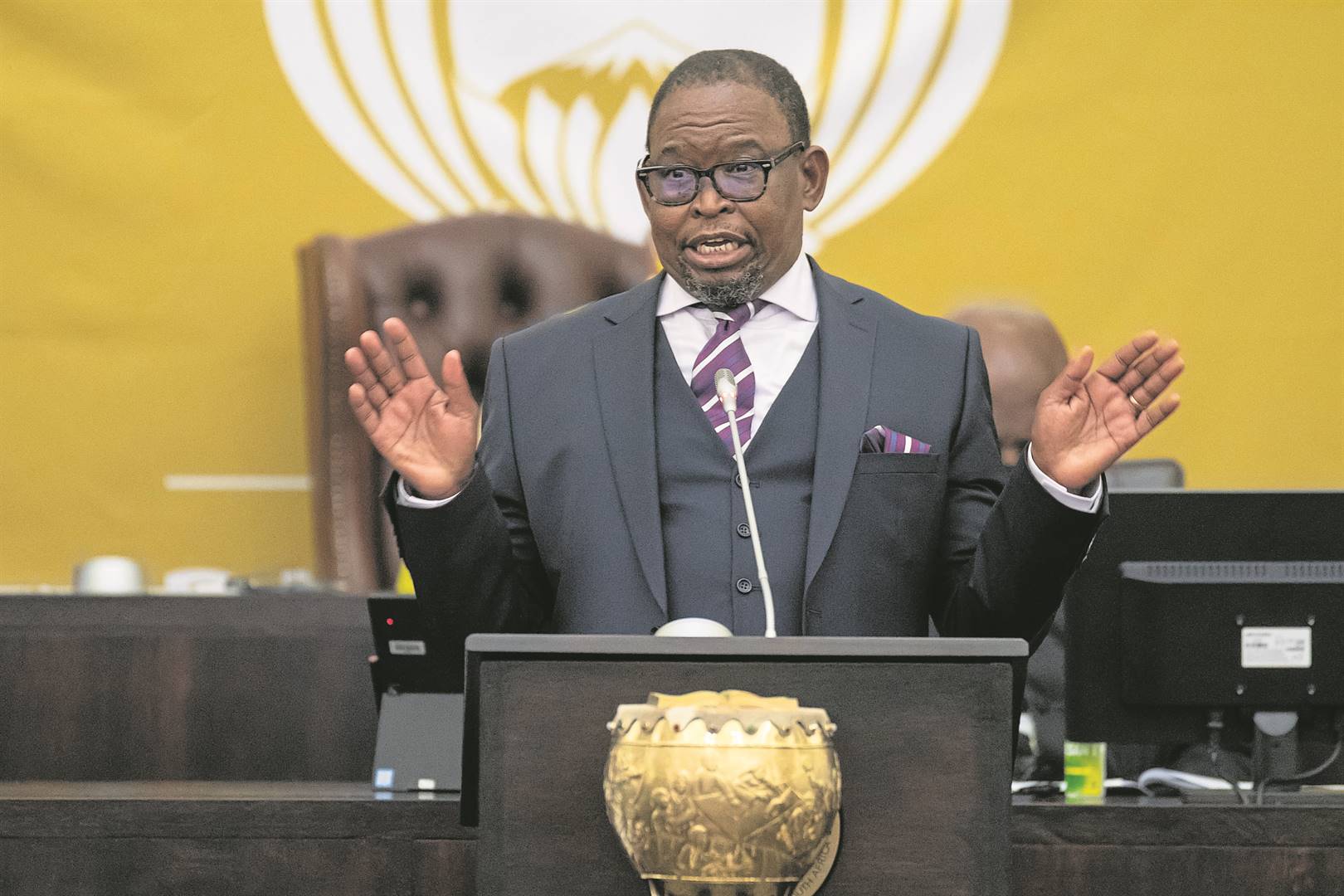
In a decisive move to align with international best practices and protect household buying power, the Minister of Finance announced a new inflation target of 3% with a tolerance band of 1 percentage point. This replaces the previous target range of 3% to 6%, which had been in place for years.
The decision followed a comprehensive assessment by the National Treasury and the SARB, which concluded that a lower target would enhance price stability and better anchor inflation expectations. While the government acknowledges that the shift may result in short-term fiscal costs, such as slower nominal GDP growth, the long-term benefits are expected to outweigh these challenges.
Authorities believe that over time, the lower target will reduce the cost of living and create room for permanently lower interest rates. This reduction in borrowing costs is designed to support household spending and business investment, which are essential for stimulating economic growth and job creation. The SARB is expected to guide inflation towards this new goal gradually over the next two years to ensure a smooth adjustment for businesses and consumers.
S&P Global Upgrades South Africa
Complementing the monetary policy shift, S&P Global Ratings raised South Africa’s foreign currency long-term sovereign credit rating to ‘BB’ from ‘BB-‘ and its local currency rating to ‘BB+’ from ‘BB’ on November 14, 2025. The ratings agency also assigned a positive outlook to the sovereign credit rating, signaling the potential for further upgrades if fiscal consolidation continues.
The upgrade reflects South Africa’s improving fiscal trajectory and a reduction in contingent liabilities, particularly those tied to state-owned enterprises like Eskom. S&P noted that the government is on track to post its third consecutive annual primary surplus in the fiscal year ending March 2026.
Reforms at Eskom played a central role in this improved sentiment. The utility reported its first profit in eight years and has sustained a significant reduction in load-shedding, with no power cuts recorded in the 170 days leading up to the rating action. Consequently, the reliance on government bailouts is expected to decrease, easing pressure on public finances.
Financial Action Task Force Removes Grey Listing
October 2025 marked another victory for the South African economy when the FATF officially removed the country from its grey list. South Africa was originally placed on the list in February 2023 due to weaknesses in its systems for combating money laundering and terrorism financing.
After more than two years of regulatory reforms and tighter financial controls, the country has now met the international watchdog’s requirements. FATF president Elisa de Anda Madrazo described the removal as a positive story for the African continent.
Economists have welcomed the move, noting that it will significantly lower transaction costs for South Africans moving money internationally and improve investor confidence. The removal from the list facilitates easier business operations for South African companies and banks, which previously faced enhanced due diligence and processing delays from global counterparts.
Business Confidence and Sector Recovery
The convergence of these positive macroeconomic factors has begun to filter down to business sentiment. Business confidence rebounded in the fourth quarter of 2025, climbing 5 points to reach 44, according to a survey by Rand Merchant Bank. This recovery was broad-based, with improvements noted across most sectors.
The motor industry, a key economic indicator, has shown resilience. The Drive Motor Index (DMI) for the second quarter of 2025 remained on an upward trajectory, supported by the SARB’s decision to cut interest rates. The rate cuts have provided relief to consumers, although the market has seen a structural shift toward lower-priced vehicles, including increased imports of Chinese brands.
However, the recovery remains uneven. The civil construction sector continues to struggle, with confidence falling to 41 in the second quarter of 2025. The industry has been hampered by a lack of large infrastructure projects and delays in tender adjudication. High-profile companies like Murray & Roberts have faced severe financial headwinds, with the company’s South African operations placed into business rescue in late 2024.
Outlook for 2026
Despite the challenges in construction and logistics, the overall economic outlook has brightened. S&P expects real GDP growth to rise to 1.1% in 2025 and average 1.5% between 2026 and 2028. The formation of the Government of National Unity (GNU) has maintained broad policy continuity and accelerated reform momentum through initiatives like “Operation Vulindlela,” which targets network industries.
While structural reforms still lag behind fiscal improvements in some areas, the combination of lower inflation targets, credit rating upgrades, and the grey list exit has positioned South Africa for a potential economic rebound in the coming years. Economists suggest that if the current reform momentum is sustained, the country could see further credit upgrades and strengthened economic stability.







Leave a Reply