
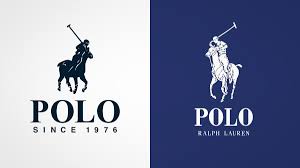
A major business acquisition is poised to resolve one of the most long-standing and complex trademark conflicts in the global luxury market. The United States luxury apparel behemoth, Ralph Lauren Corporation, is acquiring the entire Polo clothing brand owned by South Africa’s LA Group (Pty) Ltd. This transaction includes the transfer of all rights, titles, and interests associated with the South African Polo brand, including all Polo Marks and related goodwill, signalling the end of a decades-long dispute over the “Polo” name in the region.
The Acquisition
The acquisition follows the approval of the Competition Commission, allowing Ralph Lauren to finally consolidate the trademark rights in South Africa that previously belonged to a distinct, unaffiliated local entity. For decades, South Africa was a unique market where the local Polo brand, established in 1976, legally prevented the internationally renowned Ralph Lauren Polo brand from selling its primary clothing products, leading to confusion among local consumers. The approval of this transaction includes conditions aimed at protecting the public interest, specifically prohibiting the LA Group from retrenching any permanent employees involved in the manufacture, distribution, and retail of the Polo-branded products that are part of the sale.
The Contentious Tale of Two Polos
The complexity of this situation stems from local trademark history. The American Ralph Lauren brand registered its internationally recognised trademark, featuring a mounted polo player and horse, in 1967. However, the similar mark was registered in South Africa by the LA Group in 1976.
Ralph Lauren attempted to secure the mark in South Africa in 1977 but was defeated under older South African law, which prioritised geographical rights over international recognition. This historical ruling meant that Ralph Lauren could not sell its own Polo-branded clothing in South Africa without infringing on the LA Group’s trademarks.
Despite the rivalry, the two entities were involved in a complicated co-existence agreement established in the 1980s. Under this agreement, Ralph Lauren was permitted to use and register the Polo mark only for certain cosmetics and skincare products, leaving the LA Group with full control over clothing and similar items in the region.
The Visual Distinction (The Role of Imagery)
The visual difference between the two iconic brands is subtle, yet legally significant:
• The Ralph Lauren emblem faces towards the shirt buttons (to the left).
• The South African Polo emblem faces away from the buttons (to the right).
Voices of Quality and Legacy
Both companies have expressed pride in their respective legacies, highlighting their focus on quality that resonated with consumers.
• The LA Group, which acquired the ‘Polo and Pony’ trademark in 1998, stated that the brand “is proud of its origins and a rich history that has been created with the passion and dedication of staff and shareholders over the last 4 decades, to become a leading contributor to the South African fashion industry, with a strong and loyal following”. The local brand was founded in 1976 by Gordon Joffe and colleagues who sought to be ‘the country’s quality lounge shirt producer’.
• Meanwhile, Ralph Lauren’s ethos has always been about creating a lifestyle: “Ralph Lauren has always stood for providing quality products, creating worlds and inviting people to take part in our dream”.
The eventual resolution of the legal confusion was foreshadowed by the Supreme Court of Appeal in 2022, which held that consumers buying clothing bearing the Polo mark in South Africa are buying goods from the LA Group, regardless of whether they mistakenly believe the origin is a “well-known US fashion house,” provided the badge of origin function is fulfilled (meaning all items bearing that badge came from the same source, the LA Group).
Consumer Perceptions in a Luxury Market
Most South African consumers were likely unaware that the local Polo brand differed from the international luxury Polo Ralph Lauren brand. In fact, some South African consumers consider the local Polo shirts and clothes to be of generally high quality. However, some acknowledged that it felt “a bit off” how much the local brand attempted to copy the US brand to appear authentic. The fundamental issue raised in court cases was that consumers would not know which Polo brand they were purchasing due to the existence of two proprietors.
This acquisition is set against the backdrop of South Africa being the most lucrative market for luxury apparel retailers across Africa, with the market estimated to exceed R5.9 billion by 2023. Research indicates that status consumption is a critical factor for middle-class South African consumers, who use luxury apparel primarily to communicate status and wealth and gain approval within their social groups. This drive for social conformity is particularly strong among emerging middle-class consumers (those with lower disposable incomes), who are more impacted by social norms and the need for group acceptance compared to those with higher incomes.
Luxury apparel retailers are advised to focus on signalling status and exclusivity to this market. Retailers should avoid rapidly increasing physical stores or proliferating online platforms, as this could “negate the exclusivity that consumers associate with luxury brands”.
What happens next?
With the Competition Commission’s approval and the transfer of all Polo Marks to Ralph Lauren Corporation, the long-standing branding battle is expected to be finally put to rest. This move allows Ralph Lauren to fully operate its iconic brand in a lucrative African market where, previously, it was legally constrained from selling its core clothing products.
What do you think this acquisition means for the future of South African fashion and the perception of the Polo brand locally? Share your thoughts below.










Leave a Reply