
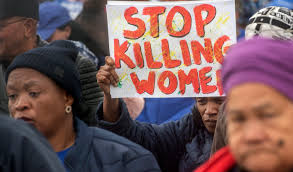
Gender-Based Violence and Femicide (GBVF) has been officially labeled a national and international crisis by President Cyril Ramaphosa, a declaration that comes just as rights organizations prepare to stage a massive nationwide shutdown demonstration on the eve of the G20 Summit in Johannesburg. The shutdown is intended to draw global attention to South Africa’s staggeringly high rate of violence against women.
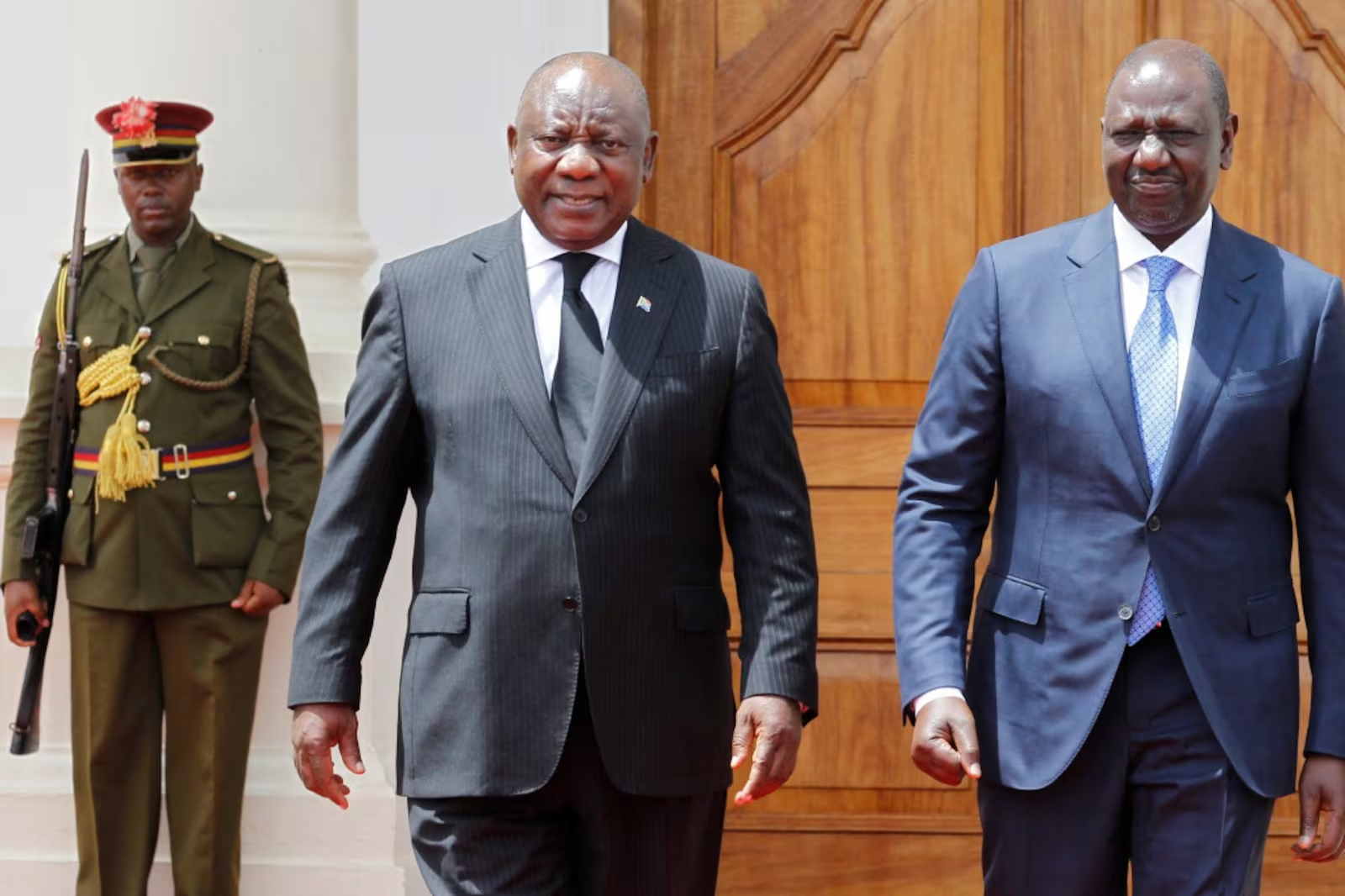
Speaking at the G20 Social Summit, President Ramaphosa emphasized that no nation can thrive while its vulnerable citizens, including women and children, are abused, adding that the violence perpetrated by men against women erodes the social fabric of nations. Ramaphosa stated that the government would now classify GBVF as a global crisis to be addressed and will speed up processes domestically.
The Looming Women’s Shutdown
The government’s pronouncements coincide with planned mass action organized by Women For Change (WFC), a non-profit activist group. The “G20 Women’s Shutdown” is scheduled for Friday, November 21, the day before global leaders arrive in Johannesburg for the G20 Summit. The G20 Summit marks the first time the event has been held on the African continent.
WFC is urging women and members of the LGBTQI+ community to participate in the nationwide campaign by refraining from all paid and unpaid work in homes, workplaces, and universities, and by spending no money for the entire day to highlight the economic and social impact of their absence. The group is also calling for a 15-minute standstill at 12 pm, urging participants to lie down to honour the estimated 15 women murdered every day in the country.
Activists hope the strategic timing of the shutdown will draw significant global attention, arguing that South Africa having one of the world’s highest GBV rates is an international issue. Participants are encouraged to wear black as a symbol of resistance and mourning, change their social media profile pictures to purple, and use the hashtag #WomenShutdown.
Demand for ‘National Disaster’ Status Rejected
At the heart of the activists’ demands is the call for GBVF to be declared a national disaster. WFC’s petition calling for this action has reportedly collected one million signatures. Activists argue that declaring GBVF a national disaster would unlock coordinated, multisectoral interventions, increased funding, and stricter enforcement, similar to the response seen during the Covid-19 pandemic.
However, the call was recently met with resistance. Earlier this month, the National Disaster Management Centre (NDMC) rejected the proposal, stating that GBVF does not meet the legal definition of a “disaster” under the Disaster Management Act.
The head of the NDMC, Dr. Ellias Sithole, acknowledged the severity of the crisis but maintained that the issue should be addressed through existing legislative instruments and mechanisms, asserting that the Disaster Management Act was not enacted to deal with ingrained societal vulnerabilities. Munnira-Afrikana Katongole, an activist with UNITED! Movement South Africa, disagrees, pointing out that GBV is a longer-standing crisis with a higher impact and mortality rate than the pandemic that did receive the disaster declaration.
WFC founder Sabrina Walter has criticized the government’s framework for failing to deliver measurable change and has questioned the lack of transparency regarding the spending of the R21 billion Ramaphosa allegedly committed in 2019 towards the National Strategic Plan (NSP) on GBVF.
Persistent Violence and Skepticism
South Africa holds the infamous title of a femicide nation and rape capital of the world. The rate of femicide in South Africa is six times higher than the global average. National surveys reinforce the severity of the problem: a recent national study revealed that more than one in three women (36 percent) surveyed reported experiencing physical or sexual violence at some point in their lives.
In the second quarter of the 2023/2024 reporting period (July to September), the country recorded 10,516 rapes and 881 women murdered. Crime reports indicate that sexual offences continue to be very high, with a surge reported over recent years.
Despite President Ramaphosa’s recent statements and previous legislative efforts, including the assent to laws in 2022 aimed at strengthening the fight against GBV, skepticism remains high. Anti-GBVF advocacy group Ilitha Labantu noted that public declarations often fall short on urgency and have seldom translated into sustained implementation or measurable impact.
The National Strategic Plan (NSP) on GBVF, introduced in 2020, has been criticized for failing to be properly resourced, which has hindered its intended interventions. Activists insist that meaningful change requires comprehensive, properly resourced, survivor-centred interventions, reinforced by strong accountability mechanisms. The upcoming national shutdown aims to translate public rage and concern into sustained engagement, demanding accountability from leaders and creating an “engaged citizenry beyond the 21 November”.





Leave a Reply