

The South African Broadcasting Corporation (SABC)’s long-awaited replacement for the universally disregarded TV licence system has hit a delay, with the final report on a new funding model now expected in February 2026.
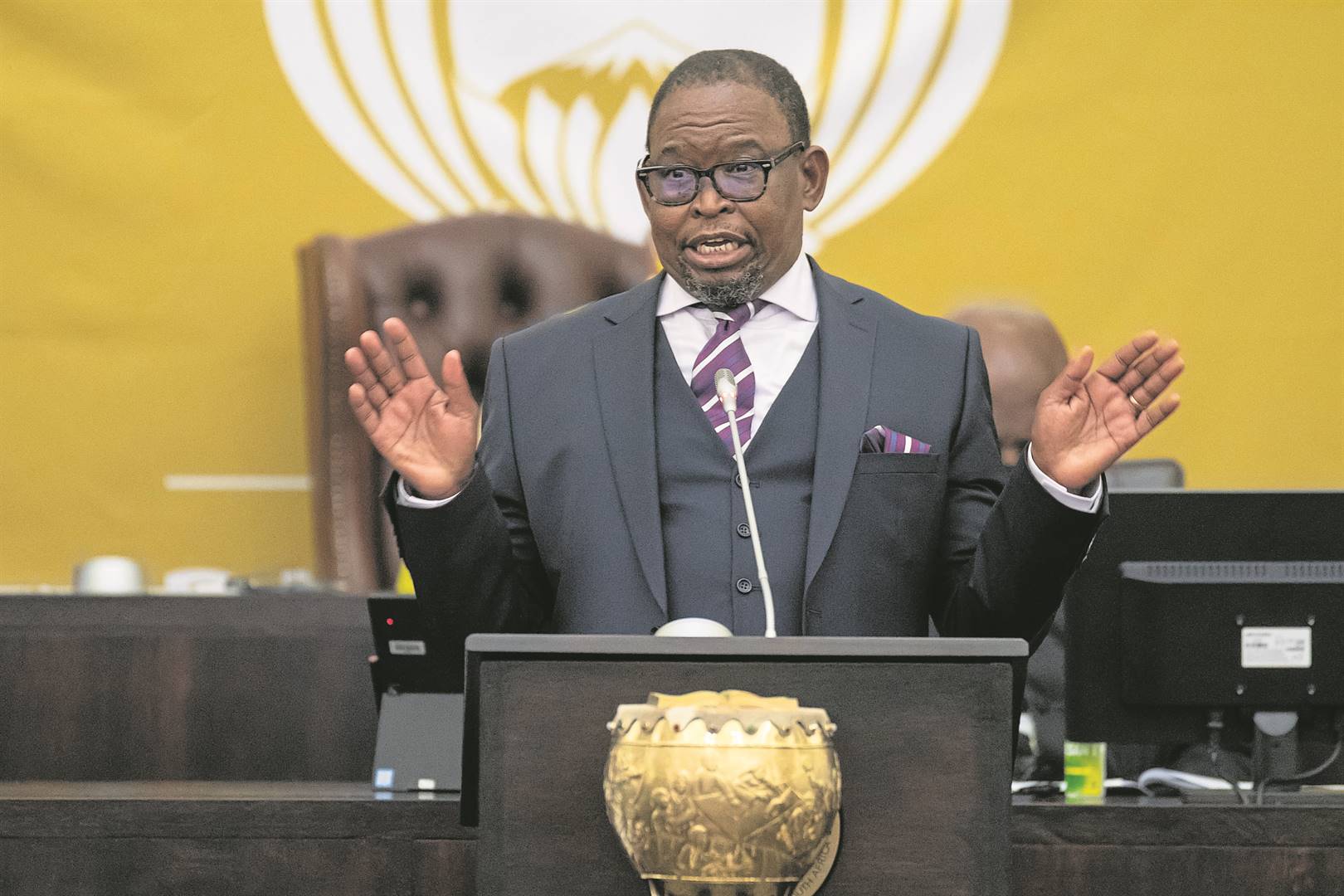
Communications Minister Solly Malatsi confirmed that BMI TechKnowledge (BMIT), the firm appointed to develop a sustainable funding blueprint for the public broadcaster, requested an extension on its deadline.
The new deadline for the final report has been moved from 15 December to 6 February 2026. Minister Malatsi explained that BMIT requested the extension on 16 October 2025, citing concerns over work disruptions and stakeholder unavailability during the festive season. The department approved the extension to ensure “thorough, fair, and extensive stakeholder engagement”.
The first draft of the funding framework is anticipated in mid-December, leading up to the final report in early February 2026.
The Collapse of the TV Licence
The urgency to find a new model stems from the catastrophic failure of the current TV licence scheme, which SABC leaders deem “archaic, outdated,” and “no longer relevant in the modern world”.
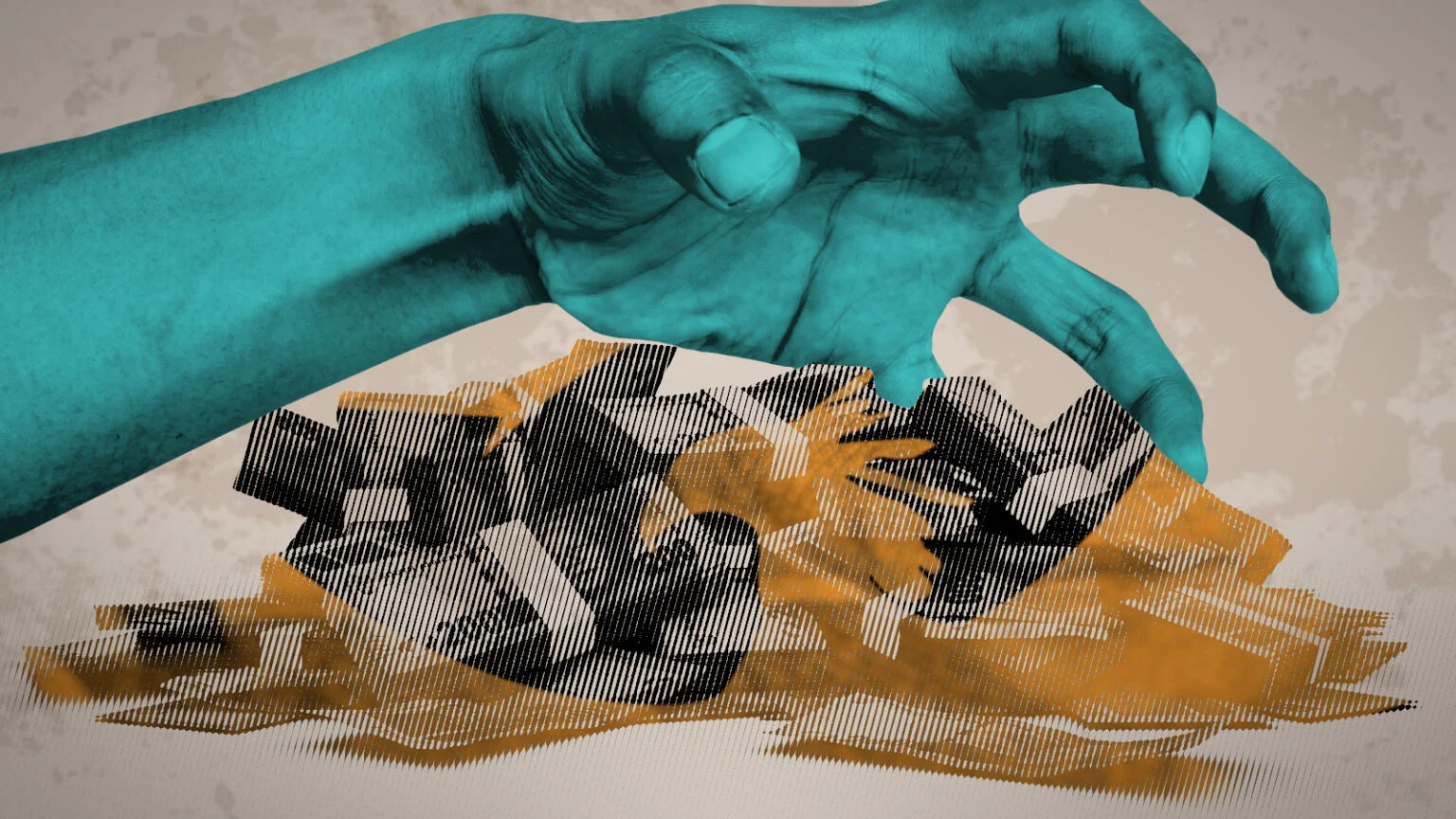
In the 2024/25 financial year, the SABC billed R4.936 billion in TV licences but was only able to recognise R758 million in revenue, resulting in a loss of approximately R4.2 billion in uncollected fees. The public broadcaster reported a net loss of R253.3 million for the year.
Compliance is critically low, cementing the scheme’s demise. The avoidance rate has surged from 69% in 2019 to an alarming 86% in 2024. This means only 15% of licence holders paid their fees in the 2024/25 financial year.
SABC Board Chair Khathutshelo Ramukumba stated that the reliance on TV licence fees is “unsustainable” because the scheme is based on the outdated assumption that most residents watch TV on a single screen. He acknowledged that there are virtually no consequences for non-payment, meaning “only those who are patriotic pay their fees”.
The Proposed New Funding Blueprint
The new funding model is expected to entirely replace the existing TV licence arrangement.
The leading alternative being explored is a universal, tech-neutral public media levy charged per household, regardless of whether the household owns a traditional television set. This levy would apply to every household with access to streaming-capable devices, including TVs, laptops, and smartphones.
SABC CEO Nomsa Chabeli and Board Chair Khathutshelo Ramukumba have both backed the household levy, suggesting it could be collected through the South African Revenue Service (SARS). The current version of the pending SABC Bill proposes linking the levy collection to municipal or electricity accounts to drastically improve compliance.
Another option under consideration is a levy on local and international streaming platforms, such as Netflix and Showmax. However, experts warn that forcing streaming services to foot the bill may lead to platforms passing the cost onto consumers via higher subscription fees, potentially driving people toward illegal streaming.
Political Turbulence and Next Steps
The current reform effort follows significant political turmoil surrounding the SABC’s finances. In November 2024, Minister Malatsi withdrew the previous SABC Bill from Parliament, describing it as “fundamentally flawed” because it merely tasked the ministers of communication and finance to develop a funding model within three years, a wait that could spell “disaster” for the broadcaster.
The appointment of BMIT in September 2025 was hailed by Malatsi as a “major milestone” in prioritising the broadcaster’s long-term stability.
Once BMIT presents the final funding framework in early 2026, the process will require further crucial steps before implementation. Minister Malatsi noted that the department must then hold consultations with the Minister of Finance, as “any funding model in the public sector has or affects how the Treasury allocates resources”.
The SABC’s shift from the device-based TV licence to a universal household levy mirrors models used in other markets, such as Germany’s Rundfunkbeitrag, a mandatory monthly fee designed to ensure citizen access to independent journalism and entertainment.
Why This Matters: The inability to collect TV licence fees has forced the SABC to rely heavily on advertising revenue, which accounted for 80% of its R5.1 billion revenue in 2024. Finding a sustainable, modern funding solution is critical for the public broadcaster to maintain its public interest mandate, which currently costs an unfunded R2.1 billion annually. If successful, the move from TV licences to a household levy would fundamentally transform how South African public media is financed.





Leave a Reply