
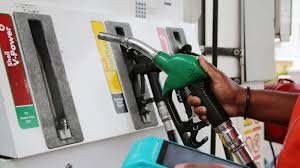
South African motorists are facing potentially painful price increases at the fuel pumps just as the busy December holiday period begins. Mid-month data released by the Central Energy Fund (CEF) indicates that both petrol and diesel prices are showing negative recoveries, pointing strongly toward price hikes next month.
The Projected December Fuel Price Increases
The expected increases, based on CEF data as of mid-November 2025, show that diesel users will bear the brunt of the adjustment.
| Fuel Type | Estimated Increase per Litre (Mid-Month) |
| Diesel 0.005% (wholesale) | Increase of 82 cents |
| Diesel 0.05% (wholesale) | Increase of 68 cents |
| Petrol 95 | Increase of 19 cents |
| Petrol 93 | Increase of 14 cents |
| Illuminating Paraffin | Increase of 73 cents |
While these projections are subject to change by the end of the month, they usually provide a fairly accurate indication of the direction fuel prices are heading. The final price adjustments are officially announced by the Department of Petroleum and Mineral Resources only a few days before implementation, which occurs on the first Wednesday of the month.
Drivers Behind the Rising Cost
The forthcoming price increases are primarily driven by external international factors: rising global oil prices and a slowing impact from the local currency.
1. Rising Global Oil Prices
The main factor pushing prices higher is the trend of rising global oil prices, which are currently trading higher on average compared to October levels.
• Geopolitical Pressure: The upward pressure on oil prices is chiefly attributed to supply concerns stemming from US sanction pressure on Russian oil aimed at ending the war in Ukraine. With the sanctions implementation date fast approaching, markets have become somewhat bearish on supply.
• Price Point: Oil prices have been trading noticeably higher, currently sitting around **64abarrel∗∗,comparedtothesub−60 prices observed during the first half of October.
• Local Impact: As South Africa is a net importer of oil and petroleum products, this international situation directly leads to lower recoveries in the pricing mechanism and ultimately translates into higher fuel prices for South African consumers.
2. The Rand’s Limited Relief
The strength of the South African Rand against the US dollar has provided some small relief, but this trend is weakening.
• Recent Resilience: Following an optimistic medium-term budget review, the Rand showed remarkable resilience, temporarily hitting a three-year high and briefly trading above the R17/$ resistance level.
• Slowing Momentum: However, this strengthening trend is now showing signs of slowing, having pulled back to approximately R17.10 to the dollar as of Friday.
• Insufficient Impact: The Rand’s recent performance is currently only contributing a small over-recovery in fuel pricing of about 1 cent per litre. For the currency to have a substantial long-term impact on mitigating fuel price hikes, the stronger trend would need to be sustained for a significantly longer period.
Understanding Your Fuel Price: Taxes and Levies
For car owners in South Africa, it is essential to understand the structure of the fuel price, as international dynamics are not the only cost driver. The fuel price is regulated by the government. The final pump price is calculated by the CEF and comprises two major components: the Basic Fuel Price (BFP) and administered elements.
• Basic Fuel Price (BFP): This mimics the cost of importing refined petroleum products into SA and is determined by global spot prices (for petrol, diesel, and paraffin) and the prevailing Rand/Dollar exchange rate.
• Administered Elements: These are domestic, Rand-based factors, including duties, levies, allowable margins, and transport costs.
Crucially, taxes levied on fuel sales are a major driver of the cost at the pump, accounting for nearly a third of the price.
• Tax Breakdown: For 93 octane petrol, the total tax amounts to R6.37 per litre, representing 30.4% of the inland pump price as of November 2025.
• Key Levies: The largest taxes include the General Fuel Levy (GFL) (R4.01 per litre for 93 Petrol) and the Road Accident Fund (RAF) Levy (R2.18 per litre for both 93 Petrol and 0.05% Diesel). These taxes have risen substantially over the past decade, outpacing inflation.
As South African motorists prepare for the festive season travel, these predicted price hikes underscore the need to budget carefully for transportation costs in December.












Leave a Reply