
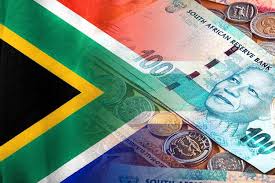
South Africa is signaling a significant economic shift, as market confidence surges following the announcement of a groundbreaking inflation target and material progress in crippling infrastructure reforms. After years defined by decline, power cuts, and logistics failures, experts suggest the country’s trajectory is now positive.
This momentum is visible on the currency market, with the Rand (ZAR) breaking through a key resistance level against the US dollar (USD) to trade below the R17.00/$ mark for the first time since early 2023. Analysts attribute this rally primarily to investor optimism surrounding the recent Medium-Term Budget Policy Statement (MTBPS).
Macro Policy Anchors Stability with New Inflation Goal
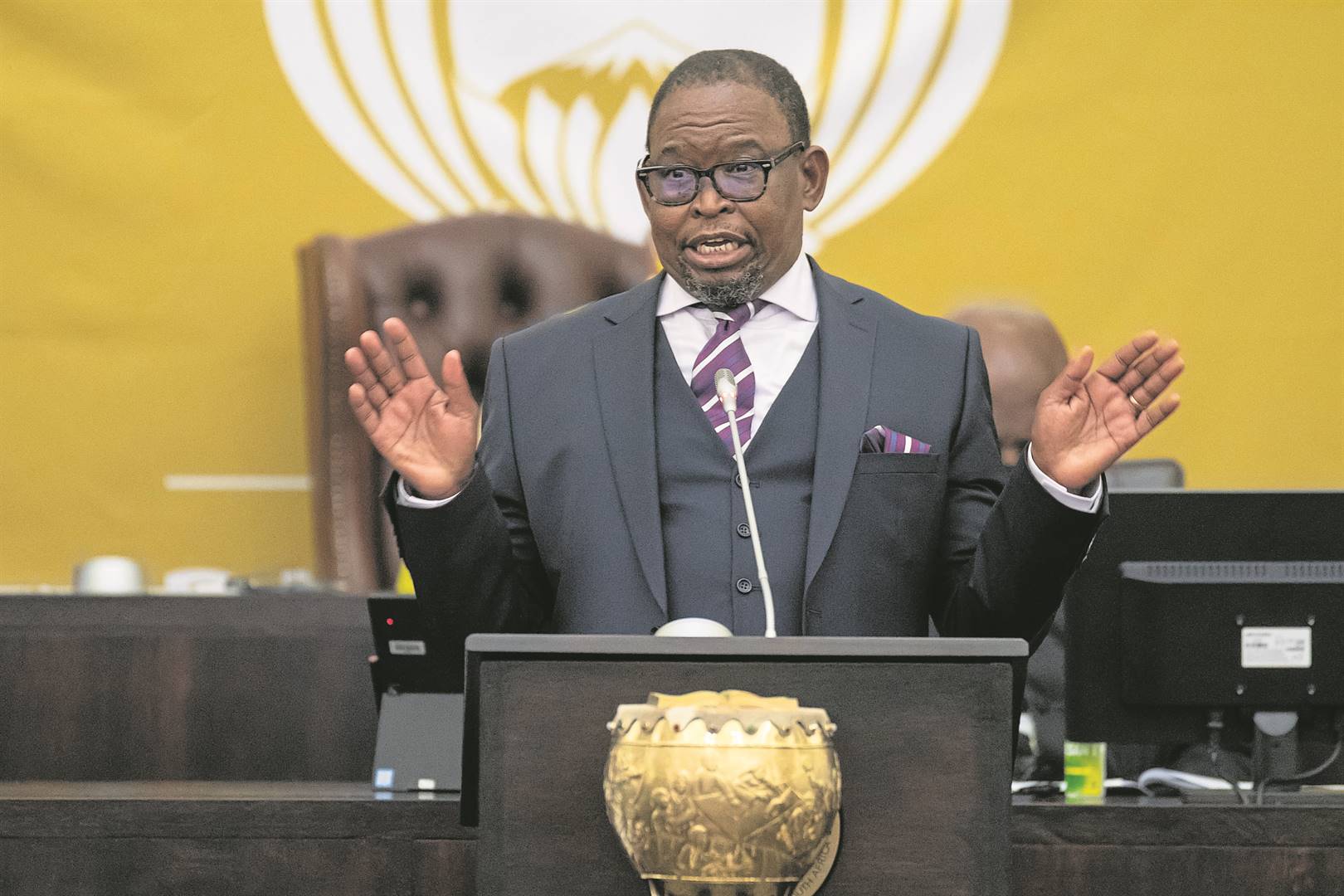
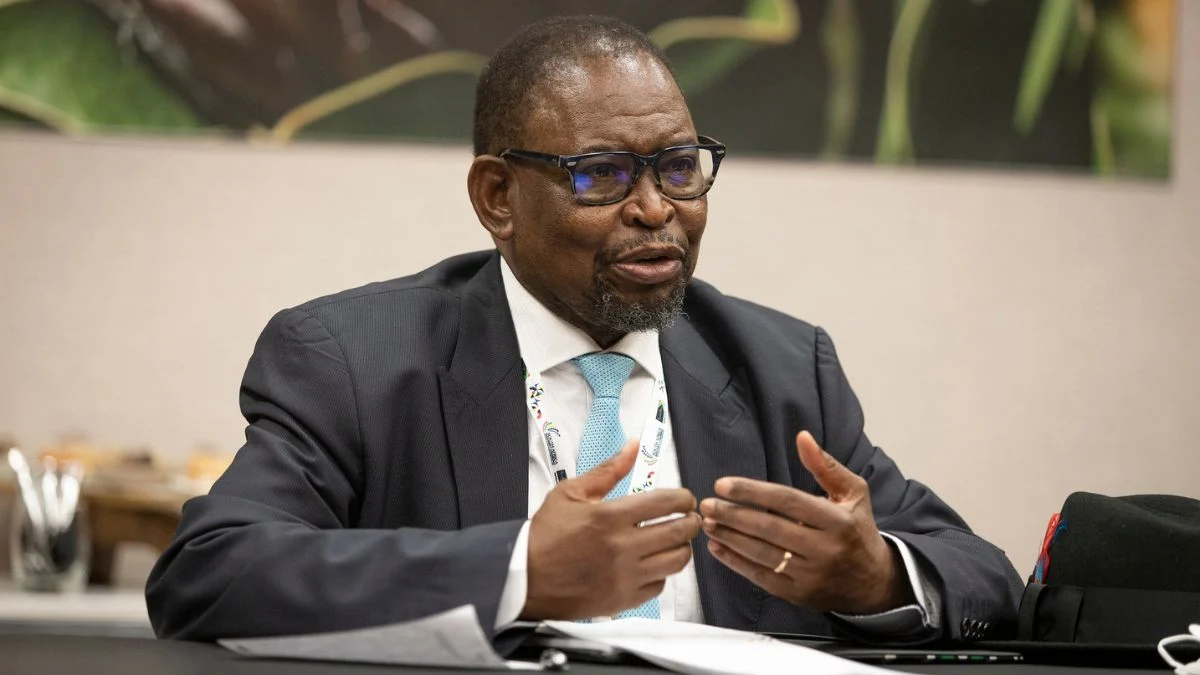
A core factor boosting market sentiment is the official reduction of South Africa’s inflation target. Finance Minister Enoch Godongwana announced the revised target, lowered to 3%. This is the first adjustment in 25 years and immediately replaces the former target range of 3% to 6%.
The 3% target maintains a flexible approach, allowing for a one percentage point tolerance band on either side to accommodate normal economic fluctuations or unexpected inflationary shocks.
South African Reserve Bank (Sarb) Governor Lesetja Kganyago championed the lower target, noting that the ultimate winner is the South African population, who will benefit from a low-inflation economy. National Treasury confirmed that, over time, a lower target will:
• Decrease inflation and inflation expectations.
• Create space for permanently lower interest rates, boosting household spending and investment.
• Support economic growth and job creation.
• Align the country with international best practices.
The move is projected to lead to more cuts in interest rates than would have occurred under a 4.5% target range. This transparent and proactive policy framework is seen as reinforcing fiscal and monetary credibility, providing resilience against external shocks.
Turning the Corner on Infrastructure Failures
While macro policy provides the foundation, significant progress in resolving the country’s crippling infrastructure deficit—collectively managed through Operation Vulindlela—is proving the shift in trajectory is material.
The economic cost of infrastructure collapse has been staggering. Dr Juanita Maree, CEO of the South African Association of Freight Forwarders, noted that port delays, rail disruptions, and related infrastructure bottlenecks had collectively contributed to losses of R1 billion each day in missed trade opportunities. This systemic decline in logistics capacity has undermined South Africa’s global market position.
Crucially, operational improvements and structural reforms are starting to yield results:
1. Energy Security: The decline in Eskom’s Energy Availability Factor (EAF) has been arrested, recovering from an all-time low of 51% in late 2023. The EAF has now improved back into the 60s and frequently exceeds 70%. This improvement, supported by targeted interventions and a boom in private rooftop generation, has resulted in the demonstrable achievement of ending load shedding. Furthermore, sweeping reforms have transformed the energy market, including the removal of the 100MW licensing threshold for private power generation in January 2023. This liberalization is expected to mobilize over R2-trillion of private investment in generation, storage, and transmission over the next decade.
2. Logistics and Freight: The logistics sector, while still facing challenges, shows material advances. Average waiting periods for ships at key bulk commodity ports have dramatically decreased from 21 days to around two days, matching the international benchmark. Freight rail volumes have also shown a positive trajectory, increasing from 149 million tonnes in 2023 to a projected 171 million tonnes this year. The Department of Transport is moving forward with concessioning port operations and contracting private sector rail companies to access Transnet routes, measures designed to boost capacity and investment.
Credit Rating Upgrade Momentum Builds
The positive policy and operational changes are fueling speculation about an impending credit rating upgrade. South Africa is currently deep in junk status, rated BB- by S&P and Fitch.
Annabel Bishop, Investec’s chief economist, noted that with projected debt levels stabilizing below 80% of GDP, and economic growth expected to ramp up toward 2.0% year-on-year in the medium term due to the lessening domestic freight crisis, “a number of factors are aligning for a credit ratings upgrade”. S&P previously indicated it could raise ratings if an improving track record of effective reforms strengthened economic growth and reduced debt.
While GDP growth has been disappointing this year, forecasters believe a catch-up is likely in the medium term, with GDP projected to rise to 1.5% next year and 1.7% in 2027.
Key Takeaway for Investors and Businesses: The combination of aggressive structural reforms, improved operational performance at state-owned enterprises (SOEs), and the commitment to a low-inflation environment demonstrates a significant effort to stabilize the South African economy. These efforts are designed to overcome years of stagnation and unleash an unprecedented wave of private investment into critical network industries






Leave a Reply