

Multi-Million Rand Luxury Assets Attached as SIU Unmasks Sophisticated Procurement Syndicates and Demands Accountability
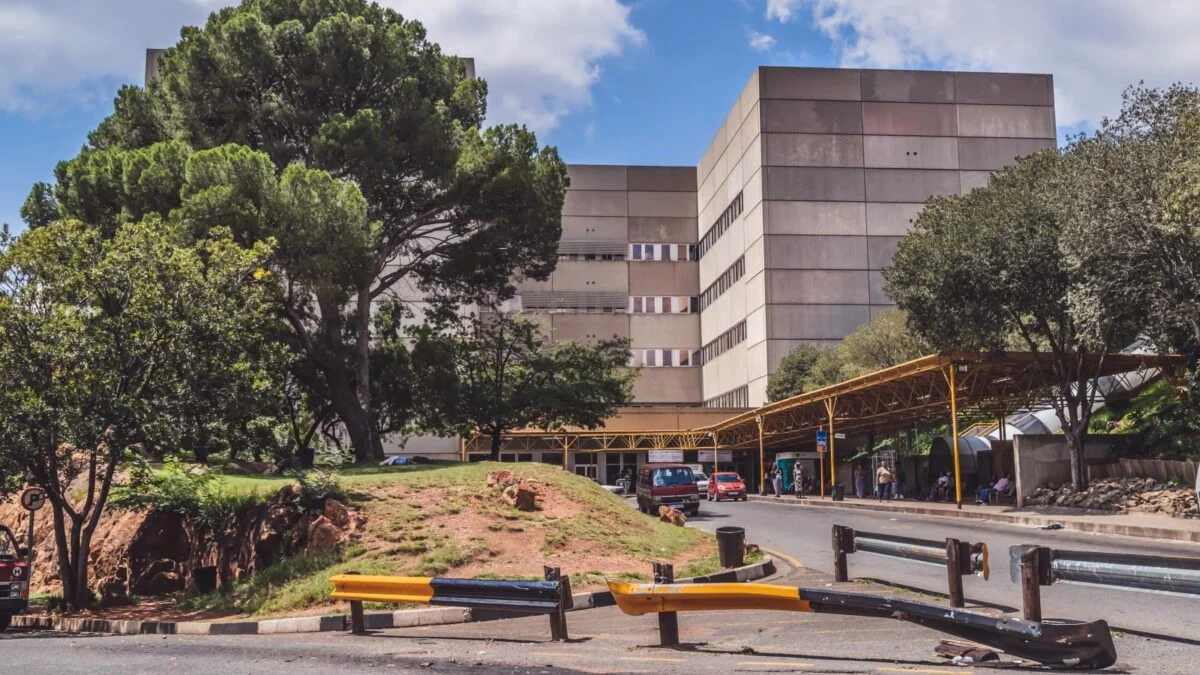
In a dramatic display of escalating anti-corruption efforts, the Special Investigating Unit (SIU) has executed massive raids, seizing high-value assets linked to alleged tender fraud that looted over R2 billion from Tembisa Hospital. These actions follow intense pressure to bring criminal charges against those who ruthlessly siphoned off funds meant for essential public healthcare.
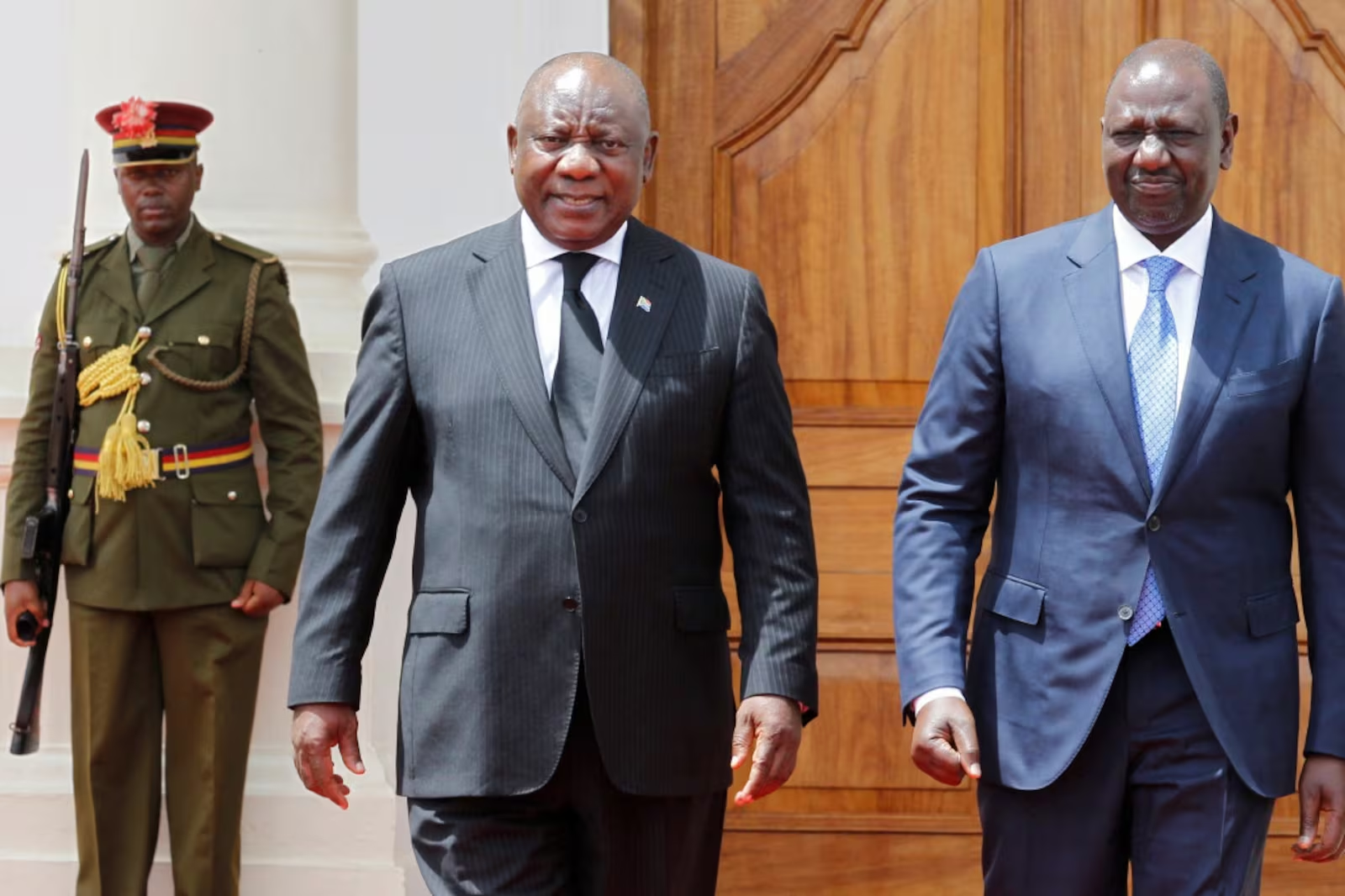
The recent operations focused prominently on businessman Hangwani Maumela, who is accused of corruption linked to irregular tenders at the hospital. Maumela, identified as President Cyril Ramaphosa’s nephew from a previous marriage, is linked to the Maumela Syndicate, which is associated with R816.6 million in fraudulent contracts under SIU review.
The Spoils of Corruption: Supercars and Sandton Mansions Seized
The SIU, as part of an ongoing R820 million asset recovery drive, secured preservation orders from the Special Tribunal, enabling the freezing and seizure of assets worth millions from Maumela’s luxury homes, particularly in Sandton, Johannesburg.
The scale of alleged greed was immediately apparent through the confiscated items:
• Vehicles: The SIU seized a jaw-dropping collection of high-end vehicles. These included a Porsche 911 Carrera GTS, a Mercedes-Benz Viano, and a Mercedes-Benz V250. Most notably, the raid revealed three identical blue Lamborghinis—including a Lamborghini Urus SUV, a Lamborghini Aventador, and a Lamborghini Huracán STO—sparking widespread commentary online. Other identified luxury cars linked to the Maumela syndicate included a Rolls-Royce, two Aston Martins, and a Ferrari, with the total value of identified luxury vehicles reaching over R223 million.

• Property: Authorities seized properties, designer furniture, and expensive artwork. Maumela’s Sandhurst mansion was valued at R70 million, with household contents worth R3 million seized. With luxury cars and property purchased by the Maumela Family Trust, the total value of attached property related to the Maumela Syndicate amounts to a minimum of R149 million.
The SIU has identified several assets linked to the Maumela syndicate with a combined value of approximately R520 million, including properties in Gauteng and a R75 million property in Bantry Bay.

Systemic Loopholes Allowed R2 Billion Plunder
The SIU’s interim report detailed how sophisticated syndicates, including the Maumela Syndicate, the Mazibuko Syndicate (linked to Rudolph Mazibuko), and Syndicate X, colluded with corrupt officials to exploit weaknesses in Tembisa Hospital’s procurement system.
The core mechanism of the theft involved intentionally bypassing the standard tender process. Officials and service providers exploited the procurement rules by ensuring that the value of purchase orders remained below R500,000, the threshold required for formal tenders.
The syndicates devised multiple means to manipulate the system and avoid detection:
1. Splitting Contracts: Requests for quotations (RFQs) for similar goods and services were intentionally split into smaller contracts to maintain the low authorisation level.
2. Bogus Procurement: Officials created fictitious needs, conducted bogus procurement processes, and fraudulently signed for goods that were likely never delivered.
3. Front Companies: Contracts were awarded to front companies that did not legitimately qualify, often using fabricated company documents and tax clearance certificates.
4. No Rotation: Service providers were not sourced fairly from the Central Supplier Database (CSD); instead, they were preselected to benefit the ultimate ‘kingpins’.
Maumela’s companies, Modisana Services and Maumela Attorneys, reportedly received about R80 million in questionable tenders for overpriced or undelivered goods and services between 2020 and 2022.
The Whistleblower Who Paid the Ultimate Price
The exposure of this extensive corruption network was prompted by the brave efforts of whistleblower Babita Deokaran, the hospital’s former chief financial officer. Deokaran had flagged approximately R850 million in suspicious payments to over 200 companies. Her assassination in August 2021, widely believed to be linked to her exposés, shocked the nation and necessitated the SIU’s detailed investigation.
Nishan Balton of the Ahmed Kathrada Foundation noted that operations like the SIU raid are incredibly painful when considering the extravagance funded by the money, especially given Babita Deokaran’s sacrifice. Investigative journalists and civil society played a crucial role in bringing these scandals to light.
DA Demands Immediate Criminal Action and Fund Recovery
While welcoming the SIU’s asset seizures, the Democratic Alliance (DA) is urgently demanding that criminal charges be brought against Maumela and his associates.
DA Gauteng health spokesperson Jack Bloom stressed that asset seizures alone are insufficient; it is time for arrests and trials to ensure justice. Bloom argued that recovering the stolen funds is critical to addressing dire shortages and poor conditions at hospitals like Tembisa, which serves a large population in Ekurhuleni.
Slow progress on criminal cases despite asset attachments has drawn criticism toward the National Prosecuting Authority (NPA). If those convicted of fraud involving amounts over R500,000 are found guilty, they face a prescribed minimum sentence of 15 years imprisonment under the Criminal Law Amendment Act, unless substantial and compelling circumstances are found by the court.
Broader Implications for South Africa’s Fight Against Corruption
The Tembisa Hospital scandal highlights the deep-rooted problem of corruption in South Africa, where persistent corruption has tarnished the country’s reputation. The losses suffered by Tembisa Hospital are seen by experts as merely the “tip of the scale” regarding broader corruption within the public service.
The country is characterised by a paradox: a robust institutional, legal, and policy anti-corruption framework exists, yet corruption persists on a grand scale, sometimes reaching the level of state capture. The efficacy of anti-corruption agencies has previously been hindered by political interference and poor coordination.
To strengthen the fight, stakeholders, including civil society organisations (CSOs), must intensify their efforts. Civil society plays a crucial role in monitoring public and private activities, harnessing public pressure, and advocating for the recovery of stolen assets. Civil society recommendations include leveraging the country’s legal framework to raise awareness about asset recovery and conducting evidence-based research to identify bottlenecks in the current system.
Furthermore, strengthening transparency in government procurement through upcoming legislation and establishing a robust beneficial ownership regulatory framework are critical recommendations to prevent future large-scale looting.





Leave a Reply