
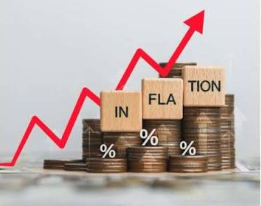
In mid-2026, South African businesses and consumers are facing a severe economic squeeze as a global energy shock collides with domestic logistical vulnerabilities. Driven by escalating conflict in the Middle East and the effective closure of the Strait of Hormuz, global crude oil prices have surged, triggering massive local fuel price hikes and cascading inflation. From road freight operators fighting margin collapse to daily commuters sacrificing basic groceries to afford taxi fares, the economic ripple effects are profound. This comprehensive analysis unpacks why the cost of almost everything is rising, how monetary policy is shifting, and what actionable steps South African enterprises must take to protect their bottom lines.
The Global Catalyst: Why South Africa is Paying the Price
The root cause of the current fuel crisis is fundamentally geopolitical. The ongoing war between the United States, Israel, and Iran has severely disrupted shipping lanes, particularly the Strait of Hormuz. Because approximately 20% of the world’s oil and gas passes through this critical chokepoint, the disruption has sent shockwaves through global energy markets.
Brent crude oil prices have soared, averaging over $100 a barrel since the conflict intensified. Economists refer to this as a “negative supply shock,” which essentially means the raw materials needed to run the global economy have become instantly more expensive.
However, modern global supply chains mean this is not just an oil crisis. Supply chain uncertainty fundamentally changes how businesses price their goods. When firms face unpredictable delays in specialized inputs, they view rising energy prices as a distress signal regarding broader logistical bottlenecks. Consequently, companies raise prices not just to cover the direct cost of fuel, but as a precautionary measure against anticipated future supply chain failures.
The South African Reality: Levies, Relief, and Record Highs
While global oil prices dictate the baseline, South Africa’s domestic tax structures heavily influence the final price at the pump. The 2026/27 National Budget confirmed a combined 21 cents per litre increase for both petrol and diesel, effective 1 April 2026.
This increase was comprised of a 9-cent rise in the General Fuel Levy (GFL), a 7-cent rise in the Road Accident Fund (RAF) levy, and a 5-cent carbon fuel levy increase for petrol. Diesel saw a matching 21-cent total increase.
To shield consumers from the immediate shock of the Middle East conflict, the government implemented a temporary R3 per litre reduction in the GFL from 1 April to 5 May 2026. This relief cost the fiscus roughly R6 billion but briefly masked the structural price increases. When this temporary relief expired, the full weight of the global oil shock and local tax hikes hit the economy simultaneously. Furthermore, the slate levy—a mechanism to recover cumulative under-recoveries by the fuel industry—was increased to approximately R1.58 per litre in June.
Proprietary Data: Projected South African Fuel Price Breakdown (Mid-2026)
To understand the sheer scale of the increases hitting the market following the expiration of government relief measures, consider the following custom comparison of Inland fuel prices:
| Fuel Type | Base Price (March 2026) | Expected Increase (Post-Relief) | Projected Pump Price |
|---|---|---|---|
| 95 Unleaded Petrol | R20.30/litre | + R4.50 to R5.41 | ~ R25.71/litre |
| 93 Unleaded Petrol | R20.19/litre | + R4.30 to R5.10 | ~ R25.29/litre |
| 0.005% Diesel (Wholesale) | R18.60/litre | + R7.50 to R8.84 | ~ R27.44/litre |
Data derived from Central Energy Fund projections and historical tracking.
The Cascade Effect: How Fuel Costs Ripple Through the SA Economy
The phrase “everything relies on fuel” is not hyperbole. South Africa moves over 80% of its freight by road, making diesel the absolute lifeblood of the national logistics industry.
When diesel prices spike, it creates a waterfall effect across every sector. Industry data indicates that diesel accounts for between 35% and 55% of total operating costs for road freight operators. Because logistics companies operate on thin margins, these costs are inevitably passed onto suppliers, who then pass them onto retailers, and finally, the consumer.
This creates what economists term a Wage-Price Spiral. When firms face higher input and transport costs, they raise their prices to protect their profit margins. Workers, now facing higher costs for food and transport, demand higher wages to maintain their living standards. Because wages are a primary cost for businesses, granting these wage increases forces firms to raise prices yet again, creating a self-perpetuating cycle of inflation.
The fishing industry offers a stark example of this pressure. Highly fuel-intensive, the sector faces an immediate operational threat, with over 5,200 jobs at risk. To survive the diesel hikes, the industry must raise consumer prices by 25% to 30%, which threatens their competitiveness in local and global markets.
Unique Case Study: The Plight of the SA Commuter and Taxi Industry
The macroeconomic theories of inflation are felt most brutally at the grassroots level, specifically within South Africa’s minibus taxi industry. Roughly 15 million South Africans rely on taxis daily.
In response to the fuel spikes, the South African National Taxi Council (Santaco) announced local fare increases of between R2 and R6, with long-distance routes rising by up to R30. Taxi associations operate on a markup of around 30% to 33% over variable input costs (fuel, tyres, maintenance) to remain sustainable.
For the average commuter, transport already consumes a disproportionate amount of income. Prior to the 2026 hikes, low-income residents in Gauteng metros spent an average of 29% of their earnings on transport. With the new increases, transport costs could swallow up to 50% of a commuter’s salary.
This forces impossible choices. As Vosloorus commuter Njabulo Madonsela noted, “It starts with petrol, but it ends with food… I end up buying fewer groceries or choosing cheaper options just to afford transport”. Meanwhile, taxi drivers are struggling to break even, reporting that they can no longer afford to fill their tanks.
Actionable Insights: How SA SMMEs Can Protect Their Margins
For Small, Medium, and Micro Enterprises (SMMEs), relying on hope is not a business strategy. The gap between delivering a service at a higher operational cost and getting paid 30 to 60 days later can destroy cash flow.
Here are three actionable strategies South African businesses must implement immediately:
- Implement Fuel Escalation Clauses: If your business relies on transport, logistics, or materials delivery, you must review all active and pending contracts. A fuel escalation clause links your quoted pricing to the official fuel price index. If the pump price moves beyond an agreed threshold, your invoiced rate adjusts automatically. Without this clause, you are absorbing the national crisis directly into your profit margin.
- Leverage Invoice Discounting: Higher fuel costs increase the working capital required to survive the gap between delivery and payment. Invoice discounting allows SMMEs to convert confirmed invoices into immediate cash (usually within 24 to 48 hours). This ensures you have the liquidity to fund tomorrow’s logistics without waiting 60 days for yesterday’s payment.
- Drive Operational Efficiency: Fleet-operating businesses must ruthlessly pursue efficiency. This means investing in route optimization software, strict service scheduling, and driver behavior monitoring. While these measures do not eliminate the fuel levy impact, they reduce the total volume of fuel consumed per trip, protecting margins at scale.
The Monetary Policy Reality Check: Will Interest Rates Drop?
Many business owners hope that the South African Reserve Bank (SARB) will lower interest rates to provide relief. However, the reality of inflation dictates the opposite. In late May 2026, the SARB’s Monetary Policy Committee (MPC) raised the repo rate from 6.75% to 7%.
SARB Governor Lesetja Kganyago explained that while central banks cannot control the global price of oil or fix supply chains, they must act to prevent “second-round effects”. If the SARB does nothing, the temporary fuel shock becomes permanently embedded in the economy as workers and businesses continuously hike wages and prices.
By raising interest rates, the SARB aims to cool down aggregate demand. The harsh message to price-setters is clear: if you raise your prices significantly to cover fuel costs, higher interest rates ensure that consumers will not have the disposable income to buy your goods. This forces businesses to absorb some costs and prevents inflation from spiraling out of control.
As investment management firm Efficient Wealth noted, “The great mistake now would be to confuse the end of the emergency with the return of normality. The crisis may be less frightening than it was a month ago, but the bill is still moving through the system”.
Conclusion: Navigating the Storm
The 2026 fuel price shocks are a stark reminder of South Africa’s vulnerability to global supply chain disruptions and geopolitical conflicts. While global oil prices may fluctuate, the secondary effects from rising grocery bills to elevated interest rates will linger in the domestic economy for months to come.
For South African SMMEs and consumers, survival requires proactive financial management. By understanding the macroeconomic forces at play, optimizing operational efficiencies, and utilizing strategic financial tools like invoice discounting and escalation clauses, businesses can navigate the storm and emerge more resilient.















Leave a Reply