
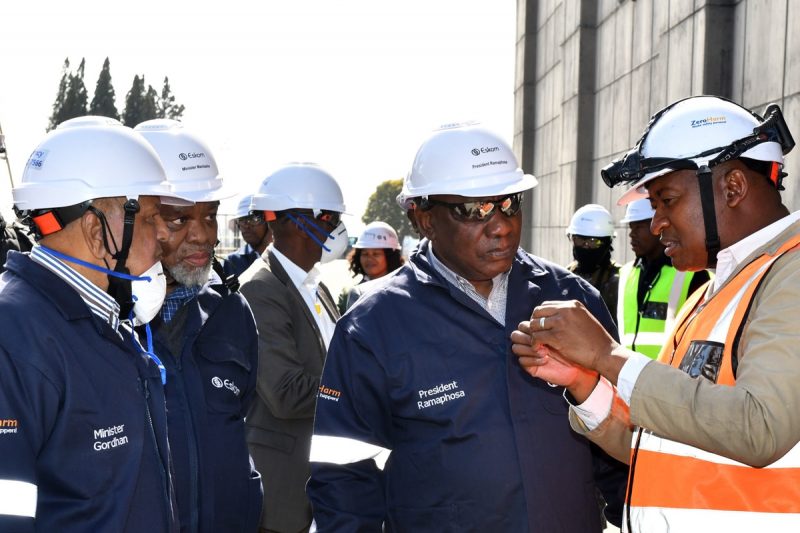
Eskom’s Financial Turnaround: A Historic Milestone
After years of intense financial struggles and daily power cuts, South Africa’s national power utility is finally showing signs of a major recovery. Eskom has reported a massive R24.3 billion profit after tax for the first six months of the 2026 financial year.
This reflects a 37% increase in profit compared to the previous year. Furthermore, this financial turnaround is paired with a massive operational victory. Eskom recently celebrated over 300 consecutive days without loadshedding.
Because of this positive momentum, S&P Global Ratings has even upgraded Eskom’s credit rating to a B+.
However, these profits haven’t come without controversy. While the utility celebrates its success, South African taxpayers and electricity consumers are the ones footing the bill.
The Controversy: R5.4 Billion in Staff Bonuses
While ordinary citizens face surging electricity costs, Eskom recently paid its employees R5.4 billion in performance bonuses.
This massive payout breaks down into:
- R4.2 billion for a short-term incentive scheme.
- R1.2 billion in monthly production bonuses.
When divided among the staff, this translates to an average bonus of over R128,000 per employee. The Democratic Alliance (DA) has fiercely criticized these payouts. They argue that a state-owned company relying on taxpayer bailouts should not be using those funds to enrich its staff while consumers suffer double-digit electricity price hikes.
However, energy experts argue that these bonuses were necessary. Chris Yelland, an energy analyst, explained that rewarding staff improves morale and was a key factor in successfully ending loadshedding.
What is the Average Eskom Employee Earning?
Eskom employees are among some of the best-compensated workers in South Africa. The utility’s total employee benefit costs have soared to R48 billion, marking a 37% increase over two years.
Recent data reveals that the average cost per Eskom employee is R1.026 million. To put this into perspective, earning this average salary allows an Eskom worker to comfortably afford:
- A R3.05 million four-bedroom house.
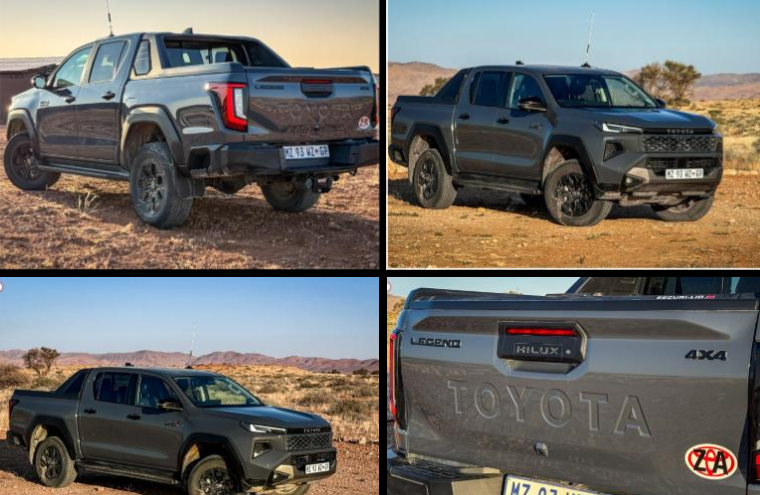
- A R795,000 luxury car, such as a Toyota Hilux Double Cab or an Audi Q3.
Additionally, Eskom just concluded its 2026 wage negotiation cycle. Workers will receive a 7% annual salary increase for the next three years, starting from July 1, 2026. This increase is more than double the country’s projected inflation rate, which sits between 3% and 3.5%.
The Government Bailout: The Eskom Debt Relief Bill
Eskom’s return to profitability is not just due to better performance; it is heavily propped up by the South African government. In 2023, the government promised a R254 billion debt relief package to save the utility from collapse.
Recently, the Eskom Debt Relief Amendment Bill (2025) updated how this massive bailout will be finalized:
- The final R70 billion debt takeover planned for 2025/2026 has been scrapped.
- Instead, Eskom will receive two specific advances: R40 billion in 2025/26 and R10 billion in 2028/29.
- This reduces the total government bailout slightly to R230 billion, saving the government R24 billion.
These funds are provided as interest-bearing loans that will be converted into equity shares. However, this conversion only happens if Eskom strictly follows rules, such as limiting capital spending to grid infrastructure and halting new borrowings.
The Catch: Surging Electricity Prices and Municipal Debt
Despite the profits and the end of loadshedding, Eskom still faces massive hurdles. Revenue grew by 4% to R191.3 billion, but this was primarily driven by a 12.74% electricity tariff increase pushed onto consumers.
Furthermore, municipalities are failing to pay the utility. Municipal arrear debt has skyrocketed to a staggering R110.5 billion.
To fix this, Eskom and the National Treasury are pushing for Distribution Agency Agreements (DAAs). Under these agreements, Eskom will temporarily take over electricity services and revenue collection directly from defaulting municipalities to stop the bleeding.














Leave a Reply