
South Africa is currently navigating a historic and highly volatile macroeconomic shift in 2026. Battered by record-breaking producer inflation, severe global supply chain disruptions originating in the Middle East, and the first South African Reserve Bank (SARB) interest rate hike in three years, both citizens and massive corporations are feeling an unprecedented financial squeeze.
Whether you are a local consumer trying to balance a household budget, a corporate investor monitoring the Johannesburg Stock Exchange (JSE), or a small business owner relying on local logistics, staying ahead of these rapid developments is critical to your financial survival.
Here is a comprehensive, deep-dive analysis of South Africa’s surging inflation, the SARB’s aggressive monetary policy response, and the major corporate developments reshaping the local retail and education sectors.
South Africa’s Record Producer Inflation Explained
Before consumer prices rise on supermarket shelves, the cost of manufacturing and transporting those goods must increase. This is measured by the Producer Price Index (PPI), and South Africa’s PPI has officially hit a record high.
In April 2026, the country’s monthly PPI soared to 3%, a massive jump from just 1.1% in March. This aggressive spike represents the single biggest monthly jump since 2012. Furthermore, the annual producer inflation rate has climbed to 4.8%, reaching its highest baseline level in a two-year period.
How the Iran War is Driving Up Local Prices
This sudden surge in local manufacturing and transport costs is not a domestic failure, but rather heavily tied to global geopolitical events. The ongoing military conflict involving Iran has severely disrupted commercial energy flows through the Strait of Hormuz.
This critical, narrow maritime chokepoint handles a massive percentage of the world’s liquefied natural gas (LNG), crude oil, and nitrogen fertilizer trade. Because South Africa relies heavily on global imports for its energy and agricultural needs, the supply shocks have been devastating:
- Diesel Costs: Surged by an astonishing 39.4% across South Africa.
- Petrol Prices: Jumped by 18.3% at local pumps.
- Agricultural Inputs: Fertilizer prices experienced record-breaking gains between March and April 2026.
Proprietary Data: The “Farm-to-Shelf” Inflation Ripple Effect
To understand exactly why a 39.4% diesel hike guarantees more expensive groceries, we must look at the supply chain math. Below is a custom analysis of how external shocks inflate the cost of a standard South African agricultural product (e.g., a 10kg bag of maize meal) before it even reaches the consumer:
- Phase 1: Planting (Fertilizer Shock)
- Previous Cost Profile: Standard nitrogen fertilizer costs.
- 2026 Crisis Impact: Record-breaking global fertilizer prices increase the farmer’s baseline crop production cost by roughly 12%.
- Phase 2: Harvesting & Transport (Diesel Shock)
- Previous Cost Profile: Standard commercial freight rates.
- 2026 Crisis Impact: A 39.4% surge in diesel directly inflates the cost of running tractors, combine harvesters, and the heavy-duty trucks required to move the maize from the Free State to urban hubs like Johannesburg.
- Phase 3: The Consumer Reality
- Net Result: By the time the product reaches the retail shelf, the compounded PPI shocks guarantee that the consumer will pay significantly more, effectively embedding global geopolitical conflict directly into the South African cost of living.
The SARB Responds: Hiking Interest Rates to 7%
To combat these soaring, supply-driven costs, the South African Reserve Bank (SARB) stepped in with aggressive monetary policy. On May 28, 2026, the central bank’s Monetary Policy Committee announced a definitive interest rate hike of 25 basis points.
This highly anticipated move brings the national benchmark policy rate up to 7.0%. This bold decision marks a critical pivot in domestic economic strategy, as it is the first time the central bank has increased interest rates in three full years.
Why Did the SARB Raise Rates?
Central banks raise interest rates to cool down an overheating economy, restrict reckless borrowing, and stop prices from rising too fast. Domestic consumer inflation recently breached 4%, pushing dangerously above the SARB’s preferred mid-point target goal of 3%.
SARB Governor Lesetja Kganyago issued a stark warning that the domestic market might be facing another sustained global inflation surge. The bank ultimately raised rates to:
- Maintain Economic Credibility: Proving to global investors that the SARB will not hesitate to protect the value of the national currency.
- Prevent Entrenched Inflation: Stopping temporary fuel and food price spikes from becoming a permanent, long-term feature of the economy.
- Manage Import Risks: Creating a buffer against the risks associated with continuously importing expensive, dollar-priced energy and food.
The Silver Lining: A Strengthening Rand
Counterintuitively, despite the tough domestic economic news and rising borrowing costs for homeowners, the South African Rand (ZAR) has actually strengthened.
Following the SARB’s interest rate hike announcement, the Rand initially traded around R16.32 against the US Dollar. Shortly after, the currency rallied to roughly R16.22 per USD, hitting its strongest levels since mid-April. Over the past month alone, the Rand has strengthened by over 2.6%.
Why does this happen? Higher domestic interest rates typically attract lucrative “carry trade” foreign investment. Global investors seek out countries with higher yields on their bonds and cash deposits, and this influx of foreign capital directly boosts the local currency’s value against the Dollar.
Major Corporate Shifts: Retail Wars and Mega-Projects
While the macroeconomic landscape adjusts to the new 7.0% interest rate reality, massive structural moves are concurrently happening within the local retail and education sectors.
Pick n Pay Struggles Against Checkers Sixty60
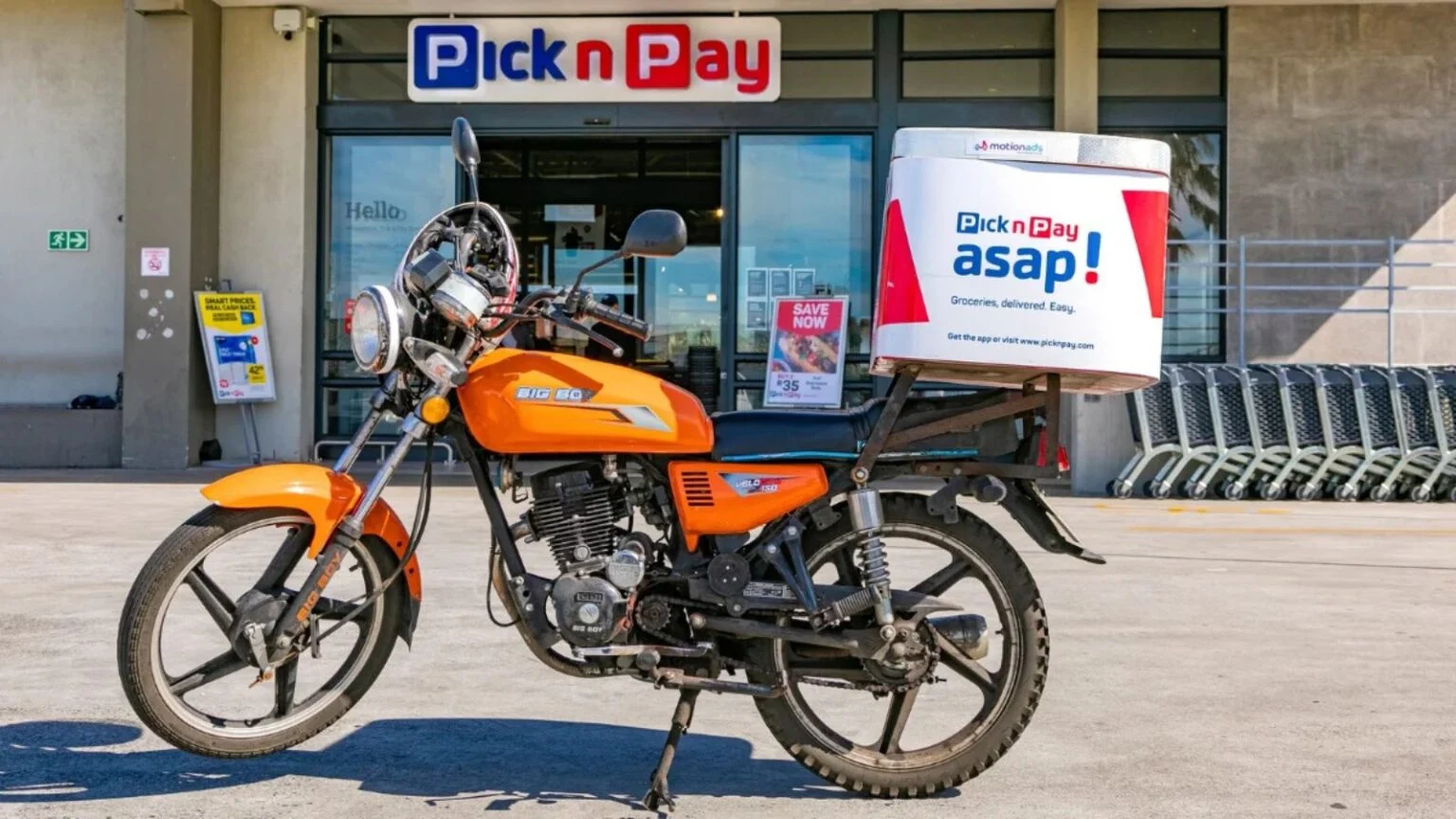
Legacy retail giant Pick n Pay is currently fighting a multi-front war for its survival. The company’s digital transition has stumbled; its online delivery growth has slowed significantly, while its primary corporate rival, Checkers Sixty60, continues to fiercely dominate the domestic on-demand grocery delivery market.
The financial toll has been severe. Pick n Pay recently reported a staggering headline loss of R386 million. To generate emergency liquidity and fund its turnaround strategy, the retailer was forced to sell a 12.5% stake in its highly profitable discount subsidiary, Boxer, raising R4.7 billion.
Making matters worse, Pick n Pay is currently battling a severe public relations crisis. A recent cyber breach reportedly leaked limited customer credit card details linked to the Pick n Pay ASAP! delivery app directly onto the dark web, severely damaging consumer trust at a time when the brand desperately needs digital growth.
A R3.2 Billion Private University Takes Shape
Despite the retail and inflation gloom, massive infrastructure investments are still flowing into the country. On a highly positive note, construction is moving rapidly on a massive R3.2 billion private Afrikaans university currently being built in Pretoria East. This mega-project signals immense, long-term private sector confidence in South Africa’s higher education market and will create thousands of jobs within the local Gauteng construction and academic sectors.
Actionable Advice: Navigating the 2026 Shift
As global oil shocks and a 7.0% interest rate squeeze the economy, South Africans must take proactive financial steps:
- Audit Your Debt: With the prime lending rate rising, immediately audit any variable-rate debt (like credit cards and personal loans) and attempt to pay down the highest-interest balances first.
- Optimize Your Commute: A nearly 40% hike in commercial diesel will keep petrol prices elevated. Implement strict carpooling or maximize work-from-home days to protect your liquid cash flow.
- Monitor Retail Loyalty: With Pick n Pay facing a cyber breach, closely monitor your bank statements if you use grocery delivery apps, and maximize loyalty programs (like Checkers Xtra Savings or Woolworths WRewards) to offset food inflation.
Frequently Asked Questions (FAQ)
What is the difference between PPI and CPI? The Producer Price Index (PPI) measures the inflation of goods at the manufacturing and wholesale level, before they reach the stores. The Consumer Price Index (CPI) measures the final inflation everyday shoppers experience at the till. PPI is often a leading indicator of future CPI.
Why does a war in the Middle East make South African food more expensive? South Africa imports massive quantities of crude oil and chemical fertilizers. When conflicts disrupt shipping in the Strait of Hormuz, the global price for these commodities skyrockets. Farmers and logistics companies must pass these increased operational costs down to the consumer, making food more expensive.
How does a SARB interest rate hike help the Rand? When the SARB raises interest rates, it means South African banks and government bonds offer a higher return on investment compared to other countries. This attracts foreign investors who must buy Rands to invest in South Africa, increasing demand for the currency and boosting its value.
Is it safe to use the Pick n Pay ASAP! app after the breach? If you suspect your data was involved in the dark web leak, immediately contact your bank to replace your linked credit card. Always use virtual cards or third-party secure payment gateways (like Apple Pay or Google Pay) for online grocery deliveries to limit your exposure.










Leave a Reply